

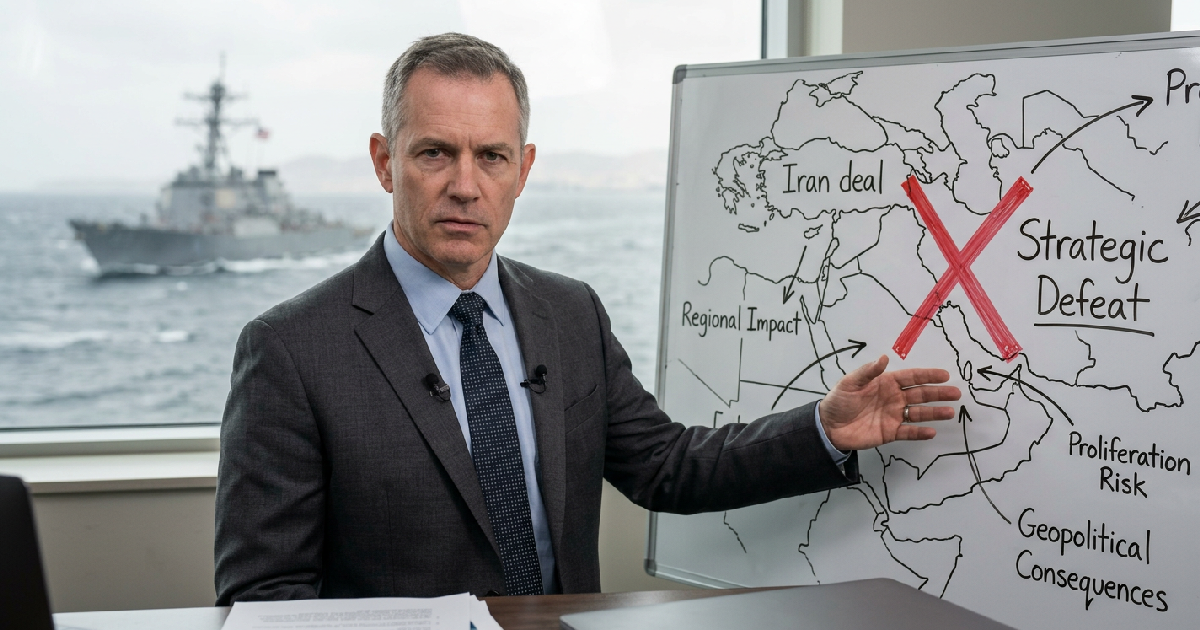
Defense analyst calls Iran deal “strategic defeat” for United States
A defense analyst has categorized a new diplomatic agreement with Tehran as a “strategic defeat” for the United States, according to a report published by Bloomberg on June 22, 2026. The assessment highlights growing friction within the security community regarding the long-term implications of the deal. Critics argue that the arrangement may fundamentally alter the security architecture of the Middle East in ways that favor Iranian interests.
This critique comes as the Biden administration continues to manage complex maritime tensions in the region. To maintain stability, US naval forces redirect commercial vessels when necessary to avoid direct confrontations. While the administration views the agreement as a path toward de-escalation, some analysts contend that the compromise undermines the leverage established by previous policy frameworks.
Geopolitical implications of a perceived strategic defeat
The characterization of the deal as a “strategic defeat” suggests a shift in the balance of power that could embolden other regional actors. Defense circles are examining whether the agreement provides Iran with diplomatic legitimization without securing sufficient restrictions on its regional influence. If the United States is seen as making unilateral concessions, it could unnerve allies who have historically relied on American “maximum pressure” campaigns.
Furthermore, there are concerns that any easing of restrictions could complicate future enforcement actions. If the legal or political threshold for intervention is raised by this deal, the U.S. Navy may find its operational flexibility restricted in the Persian Gulf. This perceived retreat has been a central theme for analysts who believe the deal fails to address the underlying causes of regional instability.
Economic expectations and the future of maritime security
Market participants have been closely watching various diplomatic outcomes to gauge their impact on global trade. Earlier in the year, global stocks rose and oil prices fell as investors anticipated a resolution that would lower the risk of supply chain disruptions. However, the defense analyst’s warning indicates that the price of economic stability might be a weakened strategic position in the long run.
The durability of the deal remains a subject of intense debate among foreign policy experts. Unlike industrial shifts where Posco International build US rare earth plant facilities to secure domestic supply chains, diplomatic agreements are often more fragile. Critics warn that once certain sanctions are lifted, they become difficult to re-establish, potentially leaving the U.S. without the tools needed to respond to future provocations or treaty violations.
Long-term outlook for Gulf diplomacy
The White House faces the challenge of presenting this agreement as a victory for diplomacy while addressing the specific concerns raised by the defense community. As 2026 progresses, the administration will likely need to balance the deal’s implementation with a visible military presence to reassure regional partners. Whether this “strategic defeat” narrative gains broader political traction will depend on Iran’s adherence to the terms and the resulting level of regional stability.
Security analysts will continue to monitor the Revolutionary Guard’s activities for any signs that the deal has freed up resources for external operations. For now, the debate remains centered on whether Washington has traded its long-term strategic advantage for a temporary pause in hostilities. This tension between immediate de-escalation and long-term security remains the defining feature of the current U.S. approach to the Middle East.