

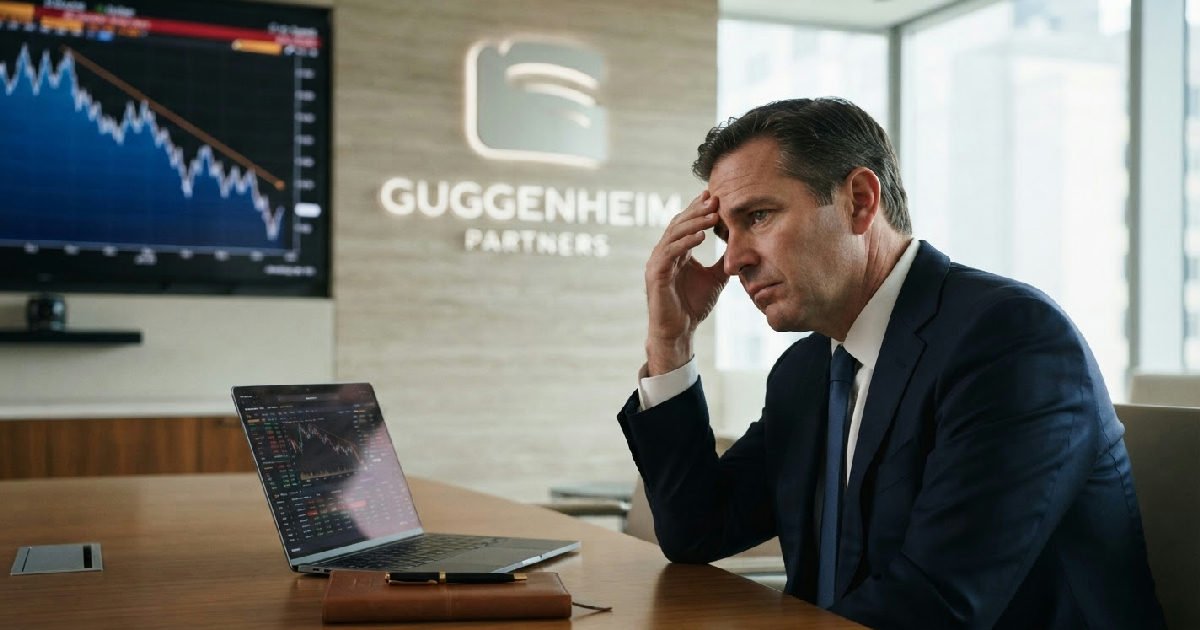
Guggenheim-Acrisure Debt Woes Deepen, Shaking High-Yield Credit Markets
Acrisure, the prominent insurance and fintech firm, is grappling with significant debt pressures, prompting the elimination of 2,250 jobs, or 11% of its global workforce, largely within the US. These Guggenheim-Acrisure debt woes arrive amidst heightened scrutiny of the firm’s financial health and its intricate connections to investment giant Guggenheim Partners.
The situation has sent unsettling tremors through high-yield credit markets, raising concerns about broader financial stability.
Understanding the Guggenheim-Acrisure debt woes
The job cuts, framed as a modernization effort leveraging artificial intelligence and automation, coincide with a revised credit outlook from S&P Global Ratings. In April 2026, the agency shifted Acrisure’s outlook from Stable to Negative, signaling increasing risk for the $32 billion company. This move underlines the growing pressure on firms navigating complex regulatory frameworks.
Acrisure’s financial metrics have deteriorated significantly, with its adjusted leverage ballooning to an alarming 9.6x by the close of 2025. This elevated debt burden has been a primary driver of concern among investors and rating agencies alike. The company, co-founded and led by CEO Greg Williams, has been aggressive in its growth strategy, but this now appears to be catching up.
The job reductions, announced in late May 2026, primarily targeted its US operations. These cuts represent a substantial portion of Acrisure’s global employee base. The company states the move is strategic, designed to enhance efficiency and integrate new technologies.
Modernization Through Reductions
Acrisure is positioning these layoffs as part of a forward-looking strategy to embrace AI and automation. This approach aims to streamline operations and improve profitability in a challenging economic environment.
However, analysts suggest the cuts also indicate a stark necessity to reduce operating costs and shore up its balance sheet. The company must navigate this transition carefully, balancing innovation with the need for financial stability and maintaining morale among its remaining employees.
Guggenheim’s Investment Under Strain
The woes at Acrisure are inextricably linked to Guggenheim Partners, which made a significant initial investment in 2022. Guggenheim Investments, an affiliate of the broader firm, saw a sharp 38% year-over-year decline in its second-quarter revenue, a fact that became public on August 14, 2026. This revenue slump immediately impacted a key financial instrument.
Following this report, a $1.175 billion Term Loan B (TLB) due 2031, issued by GIH Borrower LLC — an entity linked to Guggenheim Partners — tumbled 13 cents on the dollar, falling to 82 cents. This rapid depreciation underscored market anxieties surrounding Guggenheim’s exposure and broader financial health.
The market is increasingly pricing in meaningful credit risk on Guggenheim’s various holdings, reflecting broader market shifts.
Concerns over the falling revenue figures escalated rapidly. Guggenheim Partners moved up a scheduled lender call to August 19, 2026, to address these issues. The quick response aimed to reassure creditors and mitigate further market panic, but the underlying tensions persisted.
Volatile Loan Performance
The $1.18 billion loan, initially indicated at about 77 cents, plunged further to its weakest level yet, 72.5 cents on the dollar, by August 24, 2026. This dramatic fall highlighted the market’s deep skepticism and the pressure facing Guggenheim-related debt.
In an effort to stabilize the situation, Guggenheim Investments informed lenders on August 25, 2026, that affiliates might purchase portions of the GIH Borrower LLC loan. An affiliate then began buying debt issued by its asset management unit on August 28, 2026, causing the loan price to rebound sharply from below 70 cents to 84 cents on the dollar.
This intervention temporarily eased immediate market fears.
Regulatory Clouds Gather
Beyond the immediate financial strains, Guggenheim Partners and its owner, Mark Walter, are facing significant regulatory scrutiny. Federal prosecutors are currently probing whether an estimated $20 billion of assets tied to Mark Walter’s TWG Group, which are insurance entities he controls, are being properly labeled.
This investigation adds another layer of complexity to the firm’s challenges.
Adding to the regulatory pressure, a whistleblower report from 2025 regarding Guggenheim Private Investments (GPI) was discussed during a lender call. GPI is a unit responsible for advising on private credit deals, and the report focused on its accounting practices. Anne Walsh, Chief Investment Officer of Guggenheim’s investment-management unit, has been a key figure in addressing these concerns.
These inquiries suggest a deepening concern among regulators and investors about transparency and compliance within Guggenheim’s sprawling operations. The outcomes of these federal probes and internal investigations could have far-reaching consequences for the firm and its leadership.
Broader Market Ripples
The intertwining financial difficulties of Acrisure and Guggenheim Partners are not isolated events; they represent a significant tremor in the high-yield credit markets. When a major player like Guggenheim experiences such volatility and scrutiny, it inevitably prompts investors to re-evaluate risk across the entire junk bond landscape.
This situation acts as a bellwether, reflecting potential vulnerabilities within the broader financial system. The rapid fluctuations in the GIH Borrower LLC loan illustrate how quickly investor sentiment can shift when faced with revenue declines and regulatory investigations.
It fuels caution, potentially leading to higher borrowing costs for other companies with substantial debt, influenced by monetary policy decisions.