

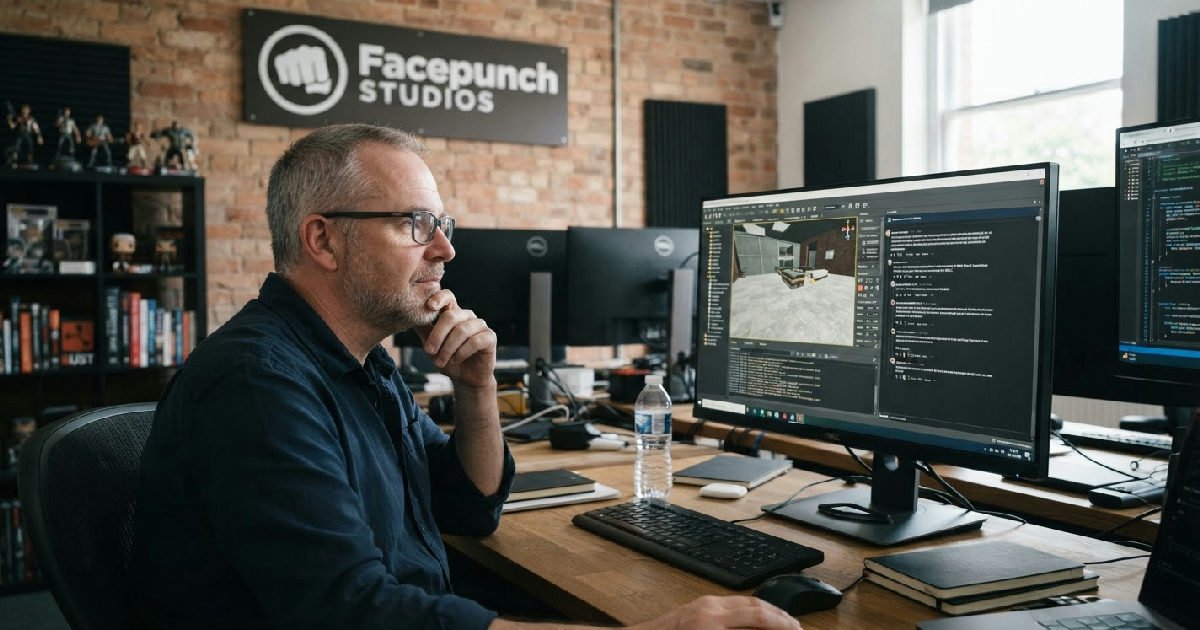
Facepunch’s Garry Newman addresses s&box criticism
Garry Newman, the outspoken founder of Facepunch Studios and the creative force behind hits like Garry’s Mod and Rust, has directly addressed significant community criticism leveled against his latest project, s&box.
In a remarkably candid and extensive YouTube comment posted on May 24, 2024, Newman responded to concerns that have plagued the user-generated content platform since its early access phase.
s&box criticism and content woes
His remarks, made on a video by content creator Eridium, tackled everything from sluggish development and communication missteps to controversial character designs and a flood of low-quality user-generated content.
Newman didn’t mince words, acknowledging the platform’s struggles and firmly reiterating his personal and professional dedication to s&box. He candidly admitted to a series of missteps, highlighting the inherent complexities of launching a new gaming ecosystem. But he also underscored a defiant commitment, stating, “I don’t like giving up on things, I am stubborn,” and promising to push the project forward despite its rocky start.
One of the most vocal points of contention for s&box players has been the default player character model, affectionately (or perhaps not so affectionately) known as “the citizen.” Eridium’s video had heavily criticized Facepunch Studios’ insistence on this unpopular design, describing it as “intransigence.” For his part, Newman initially defended the character, seeing it as giving the game an identity.
However, the tide of community opinion has proven too strong to ignore. Newman conceded that while some players liked it, most didn’t. He ultimately stated that the studio would move away from the “citizen” model, pivoting entirely to more human-like characters over the following month or so. This represents a significant reversal for the development team.
Beyond character models, the platform has grappled with an overwhelming influx of low-quality content, often described as “AI slop” or mere tech demos. This has severely hampered discoverability for genuinely creative and well-made games, frustrating users. Newman acknowledged this directly, calling it a “problem” where “20 good games” get lost among “500 tech demos and clickers.”
To combat this, Facepunch Studios plans to revamp its “Playfund” system, aiming to disincentivize the creation of such low-effort content. Additionally, the studio will transition to a “Workshop subscribe/install model” for maps and games, moving away from a system that attempted to present users with too many choices. This shift recognizes that players prefer a more curated or easily accessible content experience.
Admitting Development Missteps and Burned Bridges
Newman didn’t shy away from admitting the harsh realities of s&box’s initial rollout. He bluntly characterized the launch as “shit” and further acknowledged that the free weekend event was equally disappointing. These failures, he explained, had “burnt bridges” and alienated segments of the community, including fans of Garry’s Mod.
He attributed some of the slow progress to the monumental task of simultaneously building a new game engine, a new platform, and fostering a new community—a far cry from the relatively simpler development of Garry’s Mod. Newman noted the small team size at Facepunch Studios also plays a role in the speed of development.
This insight into the challenges of new game development highlights the difficulties even established studios face.
His candid self-assessment included acknowledging the feeling of it being “deflating, demoralizing and embarrassing.” It’s a stark admission from a developer known for creating highly successful and influential titles in the gaming world. Newman’s transparency offers a rare glimpse into the internal struggles of a development team facing intense public scrutiny.
The Value of Independent Critics and Community Dialogue
Intriguingly, Newman addressed Eridium’s critique regarding a perceived lack of outreach from Facepunch, with Eridium suggesting he could manage community relations better. Newman revealed that Facepunch had considered hiring Eridium but concluded he was “more useful to us as an independent.” This unique perspective underscores the value the studio places on external, unvarnished feedback.
He made it clear that Facepunch Studios wants Eridium—and others like him—to continue holding them accountable, rather than being constrained by an internal role. Newman then extended an open invitation for direct communication, encouraging Eridium to reach out via WhatsApp, Discord, Steam, or email for questions.
This move suggests a desire for genuine, two-way dialogue, acknowledging the critical role content creators play in shaping public perception and driving engagement.
It’s a rare stance for a game studio, actively encouraging independent criticism rather than trying to co-opt it. This approach, while risky, could foster greater trust within the s&box community over the long term. It highlights the evolving relationship between game developers and content creators in today’s digital landscape.
Navigating the Future: AI and the Evolving UGC Landscape
Looking ahead, Garry Newman reflected on the broader implications of artificial intelligence for user-generated content platforms. He admitted uncertainty, pondering whether the current era of AI represents “the worst time in history to launch a UGC platform or the best time in history.” This sentiment captures the rapidly changing dynamics of content creation and moderation.
The rise of AI-generated content poses significant challenges for platforms like s&box, particularly in distinguishing quality from volume. His comments suggest Facepunch Studios is actively grappling with how AI will shape the future of their platform and the wider industry. The decisions made in the coming months, Newman believes, will be pivotal, with potential long-term consequences for s&box’s trajectory.
Newman affirmed that despite the setbacks, development on s&box is indeed ongoing, with plans for improved communication and more frequent updates. He also hinted at upcoming features and content designed to invigorate the platform. These efforts are crucial for retaining the existing early access community and attracting new players in a competitive market.
Lessons from a Stubborn Developer
Newman’s extensive response serves as a powerful reminder that even developers with a track record of immense success aren’t immune to the challenges of launching new intellectual property. His experience with Garry’s Mod and Rust, while providing a foundation of knowledge and revenue, doesn’t automatically guarantee an easy path for s&box. It’s a testament to the unpredictable nature of game development and community reception.
His frankness about the “sunk cost fallacy” concerning the citizen model demonstrates a painful but necessary realism in game design. Knowing when to abandon a deeply invested idea for the greater good of the project is a critical leadership trait. This agility in response to player feedback is often the hallmark of successful, evolving game titles.
Ultimately, Newman’s “stubborn” commitment, coupled with a willingness to openly acknowledge failures and adapt, might be the very qualities s&box needs to overcome its early hurdles. The coming months will reveal if these promised changes can indeed revitalize the game and carve out its own successful niche, separate from its celebrated predecessor.