

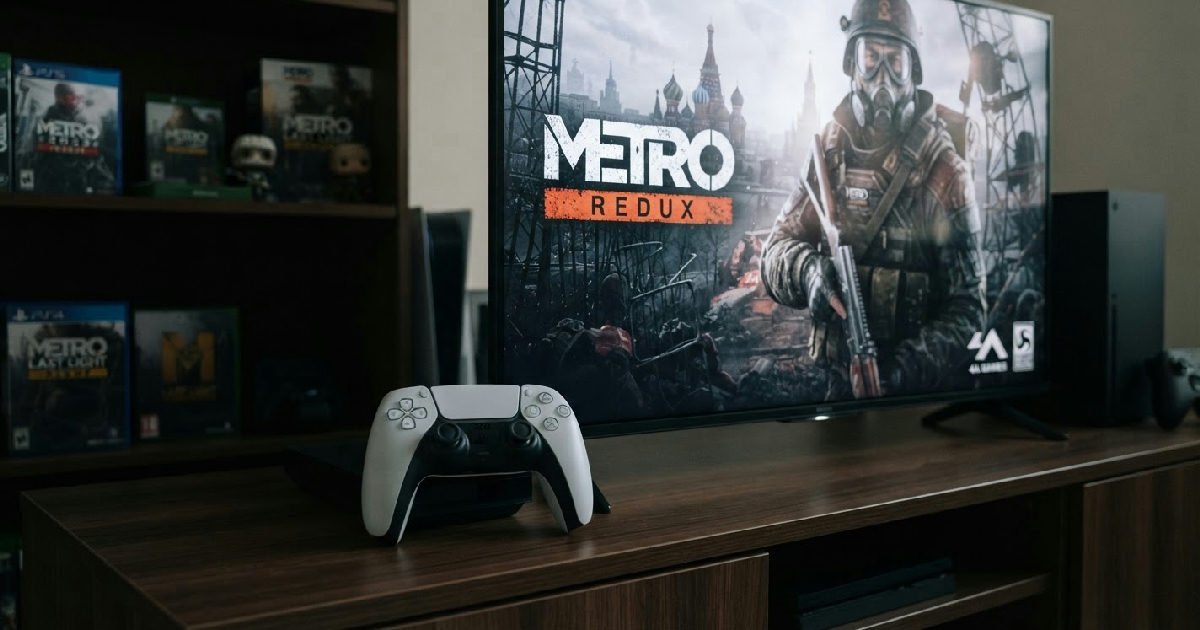
metro redux next gen update october 22
The acclaimed Metro franchise has surpassed a significant milestone, selling more than 50 million copies globally. This achievement coincides with the imminent release of free next-generation updates for Metro 2033 Redux and Metro: Last Light Redux, bringing enhanced visuals and features to modern platforms this October.
Publisher Deep Silver and developer 4A Games announced these updates, setting the stage for the highly anticipated launch of Metro 2039 early next year. The move revitalises earlier entries while celebrating the series’ enduring popularity almost two decades after its inception.
Details on the Metro Redux next-gen update
Crossing the 50 million unit sales mark globally solidifies the Metro franchise’s standing as a major player in the gaming industry. This impressive figure reflects sustained interest over 16 years since the original Metro 2033 first debuted, building a loyal fan base drawn to its gritty, post-apocalyptic narrative.
Jon Bloch, Executive Producer at 4A Games, highlighted the community’s integral role in the series’ success. He stated that these free next-gen updates are a direct expression of gratitude to players. Effective game marketing efforts often underscore the importance of player loyalty.
Next-Gen Enhancements for Redux Titles
The upcoming updates for Metro 2033 Redux and Metro: Last Light Redux promise a significantly improved visual and auditory experience without being full remasters. Developer 4A Games emphasised that the updates aim to preserve the original aesthetic while leveraging contemporary hardware capabilities.
PC players can expect these enhancements starting October 22, 2026, while console users will see them roll out on October 29, 2026. These upgrades include 4K textures, richer environmental detail, and higher-quality audio across all platforms. Improved animation fidelity and various community-requested bug fixes are also part of the package.
Console-Specific Upgrades and Features
Console players on PlayStation 5, PlayStation 5 Pro, and Xbox Series X/S will receive native versions offering true 4K resolution at 60 frames per second. For those with compatible displays, an upscaled 4K resolution at 120 frames per second will also be available, providing exceptionally smooth gameplay.
Platform-specific extras include PSSR support on PlayStation 5 Pro and TSR upscaling with anti-aliasing on Xbox Series X. Both console families will benefit from upgraded lighting, shadows, particle effects, and hardware tessellation. Additionally, DualSense Adaptive Triggers and Xbox Impulse Triggers will immerse players further.
Power-saving modes are also being introduced on both platforms, reflecting a growing industry trend towards energy efficiency. Xbox players gain extra perks like Spatial Audio support, Play Anywhere functionality, and handheld support, enhancing flexibility and accessibility.
PC Performance Boosts
Much like its console counterparts, the PC version will also feature Spatial Audio support. These technical advancements underscore a broader trend in the industry for intricate game graphics.
Paving the Way for Metro 2039
These revitalised Redux titles serve as a significant prelude to the next major instalment, Metro 2039. The new game is slated for release on February 4, 2027, across PC, PlayStation 5, and Xbox Series platforms, continuing the dark, atmospheric saga.
Early impressions of Metro 2039 are already strong. Eurogamer’s Dom recently went hands-on with the title, playing approximately two hours of the game. He praised the team’s accomplishments, particularly considering the challenging circumstances of game development.
Dom described the new entry as a “competent shooter with remarkable graphics,” noting its story is inspired by harsh real-world events. He observed a crushing sense of claustrophobia and threat that makes previous Metro games seem “almost relaxed” by comparison, suggesting a potent, immersive experience awaits players.
Broader Industry Context: Component Shortages and Gaming Hardware
The timing of these next-gen updates also falls within a period of significant global component shortages, particularly in memory. Micron CEO and chair Sanjay Mehrotra recently warned investors that global RAM shortages will persist, potentially into 2028, impacting the broader consumer electronics market.
Mehrotra indicated that demand continues to outstrip supply, primarily due to the intense need for high-bandwidth memory (HBM) in AI datacentres. This focus on HBM leaves less capacity for consumer-grade memory, causing prices for devices like game consoles to escalate.
Indeed, devices such as the PlayStation 5, Xbox Series X/S, and even the upcoming Switch 2 have seen multiple price increases. These widespread hikes highlight the fragility of the supply chain and its direct effect on gamers. Valve’s Steam Machine also faced unexpected price increases due to these pressures.
Micron plans to bring new factories online in 2028, backed by $25 billion in capital expenditure. However, executives caution that this added capacity won’t provide immediate relief for prices or availability, painting a challenging picture for hardware costs in the coming years.
Samsung, another major memory manufacturer, echoed these concerns in its own earnings call, predicting the crisis will worsen into next year. The ongoing squeeze on component supply undeniably influences the cost and availability of powerful gaming hardware needed to run titles with enhanced graphics, affecting both developers and consumers.
A Legacy of Post-Apocalyptic Storytelling
The Metro franchise began its journey with Dmitry Glukhovsky’s novel Metro 2033 in 2002, laying the groundwork for its rich narrative world. 4A Games brought this vision to life with the video game adaptation of Metro 2033 in March 2010, followed by Metro: Last Light in May 2013.
The Redux versions of both games, released in 2014, revitalised the experience with updated graphics and gameplay, bundled with all previously released downloadable content. These re-releases helped cement the series’ reputation for atmospheric storytelling and engaging gameplay, keeping the franchise relevant and accessible.
The consistent evolution and commitment to quality, including responding to community feedback, show why many studios invest in post-launch support and iterative improvements. This iterative approach to addressing game issues can significantly prolong a title’s lifespan.
What Comes Next for Metro Fans
The release of these free next-gen updates is more than just a visual refresh; it’s a strategic move to re-engage the player base and attract newcomers ahead of Metro 2039. By offering a polished, modern experience for its classic titles, 4A Games ensures that the entire saga remains accessible and enjoyable.
This approach maintains continuity and excitement within the franchise, allowing players to experience the journey from its origins to its latest chapter with cutting-edge technology. The updates are a clear signal of the developer’s dedication to their community and the enduring legacy of the Metro universe, which continues to captivate millions worldwide.