

Understanding Esports Audience Demographics and Their Global Impact
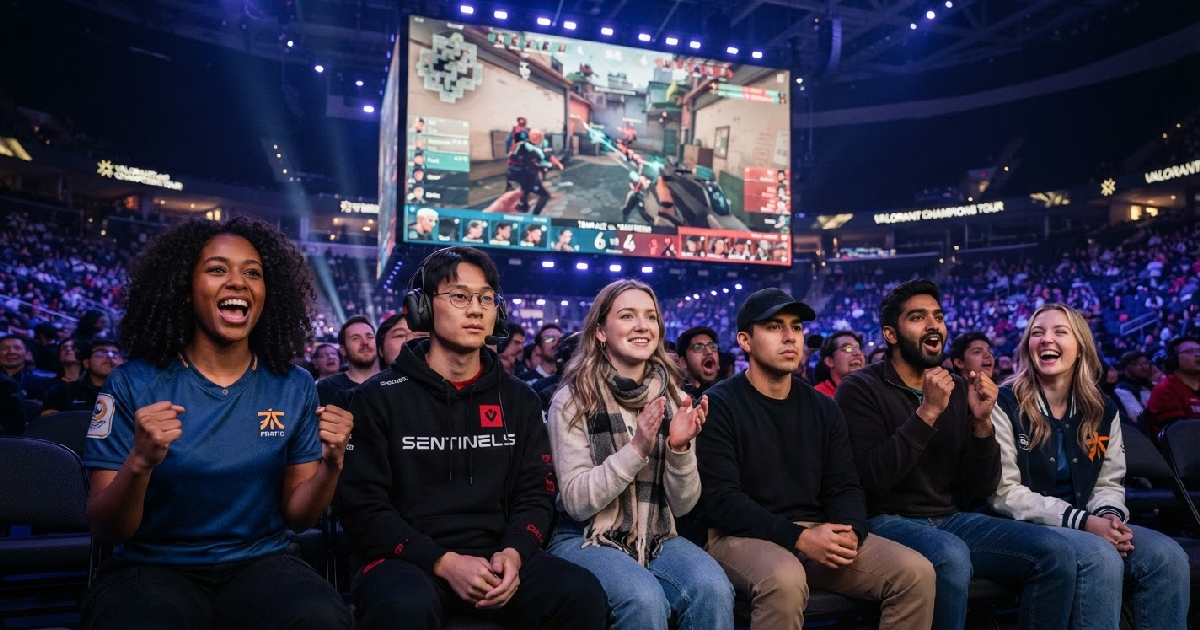
Esports audience demographics paint a clear picture: a predominantly young, digitally savvy, and globally diverse group drives the competitive gaming world. This viewership is not just growing; it’s also showing unique characteristics that set it apart from traditional sports fans, influencing how game publishers, brands, and media approach this booming sector.
While often seen as a niche interest, the sheer scale and rapid evolution of these audiences demand closer inspection. Major analytics firms like Newzoo and Nielsen regularly track these shifts, providing crucial insights into who is watching, where they are, and what makes them tick.
The Evolving Face of Esports Viewership
The global esports audience continues its impressive ascent, hitting approximately 640.8 million in 2026. Projections indicate this number will swell to 924.9 million by 2030, marking substantial growth for the industry. This expansion isn’t just about volume; it’s also about segmentation within the fan base.
Analysts typically divide this vast audience into two primary groups: “core enthusiasts” and “occasional viewers.” Core enthusiasts, numbering around 318.1 million in 2026, consistently follow competitions. Meanwhile, casual viewers, totaling 322.7 million, tune in for major events and big tournaments.
Core Enthusiasts and Casual Viewers Drive Engagement
The distinction between these two groups is crucial for understanding trends in the esports ecosystem. Core enthusiasts represent the bedrock of the community, often deeply invested in specific games, teams, and players. They form the consistent viewership that supports daily content and smaller events.
Occasional viewers, by contrast, broaden the reach of esports, bringing in new eyes during peak periods. Their participation demonstrates the increasing mainstream appeal of competitive gaming, attracting attention during marquee events like world championships.
A Young, Global, and Increasingly Diverse Base
The defining characteristic of esports audiences remains their youth, though recent data suggests a subtle maturation. A significant majority, more than six in ten internet users watching esports, are aged between 16 and 35 years old. In the U.S., the average esports viewer is 29, with 52% of fans falling into the 18-34 age bracket.
Generation Z, representing those aged 16-24, makes up 26% of esports viewers. But Millennials, aged 25-41, constitute the largest segment at 50%, with Generation X (42-56) holding 20% and Baby Boomers (57+) at 4%. This generational spread hints at a broader appeal than often assumed.
Age Distribution Shifts Reflect Maturing Fandom
Recent insights from Maincast highlight a significant trend: viewers aged 25–34 now form the largest share for popular titles like Counter-Strike 2 and Dota 2. This suggests that early fans are growing with the scene, indicating that esports isn’t just attracting new, young viewers but also retaining its established audience as they age. This maturation is vital for the long-term sustainability of the industry.
Gender Dynamics in Esports are Evolving
Historically, esports has been male-dominated, with about 70% of U.S. fans identifying as male and a global male-to-female ratio often cited around 72:28. However, this dynamic is changing. The number of women engaging with esports is steadily climbing, reflecting broader shifts in gaming culture.
Women now account for 45-46% of the overall U.S. gaming audience and 28% of North America’s esports viewers. Crucially, a higher percentage of females are found among newer fans, indicating a more inclusive future for the competitive gaming scene.
Asia-Pacific Dominates Global Viewership
Geographically, the Asia-Pacific (APAC) region stands as the undisputed leader in esports viewership, contributing over 57% of total global viewers. This dominance is significantly boosted by countries like China and the Philippines, which together account for 40% of the worldwide fanbase. Europe follows with 16% of global audiences, and North America holds 12%.
Southeast Asia, Latin America, and other emerging markets are experiencing the fastest growth, largely fueled by expanding mobile internet access. These regions represent key battlegrounds for future mobile esports trends and audience expansion.
Beyond the Stereotype: Income and Engagement
Contrary to outdated stereotypes, esports fans often boast higher income and education levels than the general population. Almost half (46%) of esports fans earn over $100,000 annually, a stark contrast to just 26% of other respondents in similar surveys. This financial clout makes them an attractive demographic for advertisers.
Moreover, these fans are more likely to be employed full-time, with a 30% higher chance, and hold a university degree, marking a 15% increase compared to non-fans. In the U.S., the median household income for an esports fan is a notable $85,000, underscoring their economic significance.
Financial and Educational Profile Bolsters Industry Appeal
This affluent and educated demographic means esports consumers have significant purchasing power, making them prime targets for sponsorships and brand partnerships. About 15% of esports viewers fall into the top 10% income bracket, further illustrating their economic potential. The largest single group (25%) is in the 51-57% income bracket, indicating a consumer base slightly wealthier than the average.
High Engagement and Mobile Dominance Define Viewership
Esports fans are intensely engaged, dedicating considerable time to their passion. A remarkable 76% of esports fans report spending more time watching esports than traditional sports, demonstrating a deep commitment. In 2023, the average global viewer watched 21.5 hours of esports.
Live streaming platforms like Twitch and YouTube Gaming remain the primary channels for viewership. Mobile devices are crucial, accounting for 56% of global esports viewership and an even higher 62% in the Asia-Pacific region, underscoring the importance of accessibility and on-the-go consumption. Latest esports trends often revolve around these engagement patterns.
Understanding the Audience: Key Research Firms
Specialized market intelligence firms play a pivotal role in dissecting the complex world of esports audiences. Newzoo, a leading firm in games, esports, and mobile, conducts extensive consumer research across numerous countries. Their work provides detailed insights into audience numbers, revenue streams, and emerging trends, often defining key metrics like “Esports Enthusiasts” and “Occasional Viewers” for market analysis.
Nielsen, a global leader in media measurement, also offers in-depth research on esports fan attitudes and behaviors. They combine survey data with viewership figures from platforms like Twitch, offering valuable insights for marketers, rights holders, and esports organizations looking to engage with this unique audience. Nielsen’s “Esports Fan Insights” provides data on fan engagement, gaming preferences, and the impact of sponsorships.
Dispelling Common Esports Myths
Despite its growing prominence, esports still grapples with several misconceptions. One persistent myth suggests esports isn’t a “real sport.” In reality, professional esports requires immense skill, strategic thinking, rapid reflexes, and intense focus, much like traditional athletic endeavors. Pro players undergo rigorous training regimens to compete at the highest level.
Another common belief is that esports appeals solely to a young, isolated demographic. While a substantial portion of the audience is young, it’s broadening significantly, attracting older adults and a rising number of women. Furthermore, many esports titles foster teamwork and communication, dispelling the notion of isolation.
The idea that esports players are generally unfit or unhealthy is also largely inaccurate. Many professional players prioritize physical fitness and mental well-being to sustain peak performance during demanding competitions. Organizations and players alike recognize the importance of a balanced lifestyle for career longevity and competitive edge.
The Future of Esports Audiences
The data clearly shows that esports audiences are not only large and growing but also increasingly diverse and economically significant. Their high engagement, global distribution, and unique demographic profile present vast opportunities for growth, investment, and cultural integration. As the industry matures, understanding these audiences will be more critical than ever for stakeholders looking to capitalize on competitive gaming’s continued rise.