

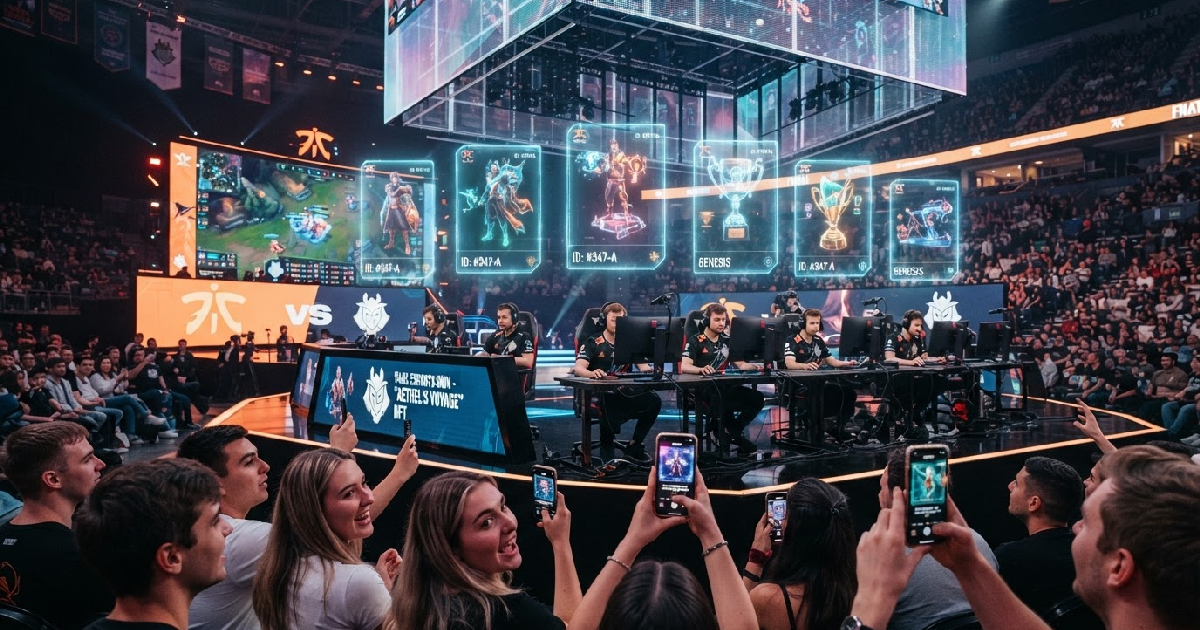
NFTs Reshape Esports Gaming with Digital Ownership and New Economies
Non-Fungible Tokens (NFTs) are profoundly impacting the world of esports gaming, introducing verifiable digital ownership and fostering new avenues for fan engagement. These unique digital identifiers also enable novel economic models for players and organizations. This integration leverages blockchain technology to create unique, scarce, and tradable digital assets within the competitive gaming ecosystem.
As of 2026-07-25, the application of NFTs is redefining how value is perceived and exchanged across competitive gaming. It marks a significant shift in how digital properties are handled, moving beyond traditional licensing models.
Understanding the core of NFTs in esports
At its heart, an NFT is a unique digital identifier. It’s recorded securely on a blockchain, which serves to certify both the ownership and authenticity of a specific digital or physical asset.
Unlike cryptocurrencies or other fungible assets, where each unit is interchangeable and holds the same value, NFTs are distinct and one-of-a-kind. This fundamental characteristic means they cannot be exchanged on a one-to-one basis, making each NFT unique.
Defining non-fungible tokens
A Non-Fungible Token, or NFT, represents a digital certificate of authenticity and ownership. It provides an immutable record of who owns a particular digital item. This verifiable proof is what differentiates an NFT from a mere digital copy.
This distinctiveness is crucial in the digital realm. It ensures that while many copies of a digital image might exist, only one person can truly “own” the original NFT tied to it. This concept extends to various digital assets.
The blockchain foundation for digital scarcity
Blockchain technology forms the unshakeable bedrock for NFTs, enabling their core properties of uniqueness and verifiable scarcity. Each NFT transaction, from creation to sale, is recorded on a distributed ledger. This record is tamper-proof and transparent.
This ensures that digital assets remain genuinely unique and their provenance is clear. It prevents duplication or fraud, which has long been a challenge for digital goods. This cryptographic security is a cornerstone of the NFT’s value.
Verifiable digital ownership transforms gaming assets
The ability of NFTs to establish verifiable digital ownership is transforming how players and organizations view in-game items and collectibles. Players can now assert true ownership over their digital possessions. This moves beyond traditional licensing agreements often imposed by game publishers.
Blockchain technology underpins this change, creating digital assets that are not only unique and scarce but also readily tradable. This provides a new level of control and potential value for those participating in esports environments. It’s changing the overall perception of latest esports trends.
Player autonomy with digital assets
This newfound verifiable ownership grants players greater autonomy over their digital acquisitions. Instead of merely having access to in-game items, they possess a certified, unique digital asset. This can profoundly alter their connection to the game.
For players, this means their investment in time and effort can be tied to tangible digital property. This shift elevates the status of digital assets within the gaming community. It fosters a deeper sense of personal stake.
Ensuring asset authenticity and value retention
Authenticity is a key concern for any valuable asset, digital or physical. NFTs, by their nature, guarantee the authenticity of digital gaming assets. They eliminate the guesswork surrounding an item’s origin or legitimacy.
This assurance contributes significantly to the potential for value retention and even appreciation. Players can be confident their unique items are genuine. This fosters a robust secondary market for these unique assets, aligning with broader gaming industry trends.
Boosting fan engagement with unique digital assets
NFTs are also proving to be powerful tools for fostering new avenues for fan engagement within the esports ecosystem. Teams and leagues can now offer fans unique, scarce, and tradable digital assets. This creates more immersive and interactive experiences.
By leveraging blockchain technology, these digital assets provide fans with a more direct and verifiable connection to their favorite teams, players, and events. This deeper involvement can strengthen community bonds. It also offers novel ways for supporters to express their loyalty.
Creating unique fan experiences
The unique nature of NFTs allows for the creation of exclusive digital memorabilia. This offers fans more than just traditional merchandise. It provides distinct digital items that can carry sentimental and perceived value.
This approach enhances fan interaction beyond passive viewership. It offers a tangible stake in the competitive gaming world. This contributes to the broader gaming industry growth by diversifying fan interaction.
Expanding fan interaction through digital collectibles
Digital collectibles, powered by NFTs, offer a new dimension to fan interaction. These can range from unique player cards and team avatars to virtual trophies and exclusive in-game cosmetic items. Each one is a distinct, verifiable piece of digital property.
Fans can collect, trade, and display these items, creating a sense of community and shared passion. This fosters a more interactive relationship between fans and the esports entities they support. It’s a natural evolution of esports fan token trends.
Novel economic models for players and organizations
The integration of NFTs is enabling novel economic models that benefit both players and esports organizations. This creates new opportunities for monetization and value creation within the competitive gaming landscape.
For organizations, NFTs provide an innovative method to generate revenue. This moves beyond traditional income streams. It capitalizes on the creation of unique, scarce, and tradable digital assets that resonate with their fan base.
Expanding revenue streams in esports
Players also stand to benefit from these evolving economic structures. Their participation and performance can be linked to digital assets that hold tangible value. This offers new incentives and potential income streams.
The use of blockchain technology ensures transparency and security in these new economic frameworks. This helps build trust and facilitates new forms of digital commerce. It underpins many key trends in the gaming industry today.
Unlocking new monetization for teams and creators
NFTs introduce entirely new ways for teams, leagues, and individual creators to monetize their brand and content. This can include direct sales of unique digital assets, which generate primary revenue. But it also extends to royalties.
Many NFT platforms allow creators to earn a percentage of future secondary market sales. This provides a long-term, passive income stream tied to the enduring popularity of their digital creations. It’s a significant shift in value distribution.
The future landscape of NFTs in competitive gaming
The role of NFTs in esports gaming continues to evolve rapidly, fundamentally reshaping various aspects of the industry. They are establishing verifiable digital ownership, enhancing fan engagement, and introducing entirely new economic models for participants.
This integration of blockchain technology to create unique, scarce, and tradable digital assets represents a significant step forward. It suggests a future where digital ownership and fan interaction in competitive gaming are more dynamic and player-centric. This transformative potential is considerable.
Long-term implications for the esports ecosystem
The long-term implications of NFT integration for the broader esports ecosystem are vast. It points towards a future where digital economies within games are more robust and player-driven. This decentralization could empower individual players and smaller organizations.
Furthermore, the increased liquidity and tradability of in-game assets could attract new investors and participants. This further fuels growth in the sector. It contributes to the overall expansion of the global esports market, indicating a sustained upward trajectory.
Challenges and considerations for widespread adoption
While the potential for NFTs in esports is clear, some challenges remain before widespread adoption. Understanding blockchain technology still presents a barrier for many users. Simplifying user interfaces and educational efforts will be crucial for broader acceptance.
Concerns around environmental impact and market volatility also need careful consideration by developers and platforms. Addressing these issues will ensure a more stable and sustainable integration of NFTs into the competitive gaming landscape for years to come.