

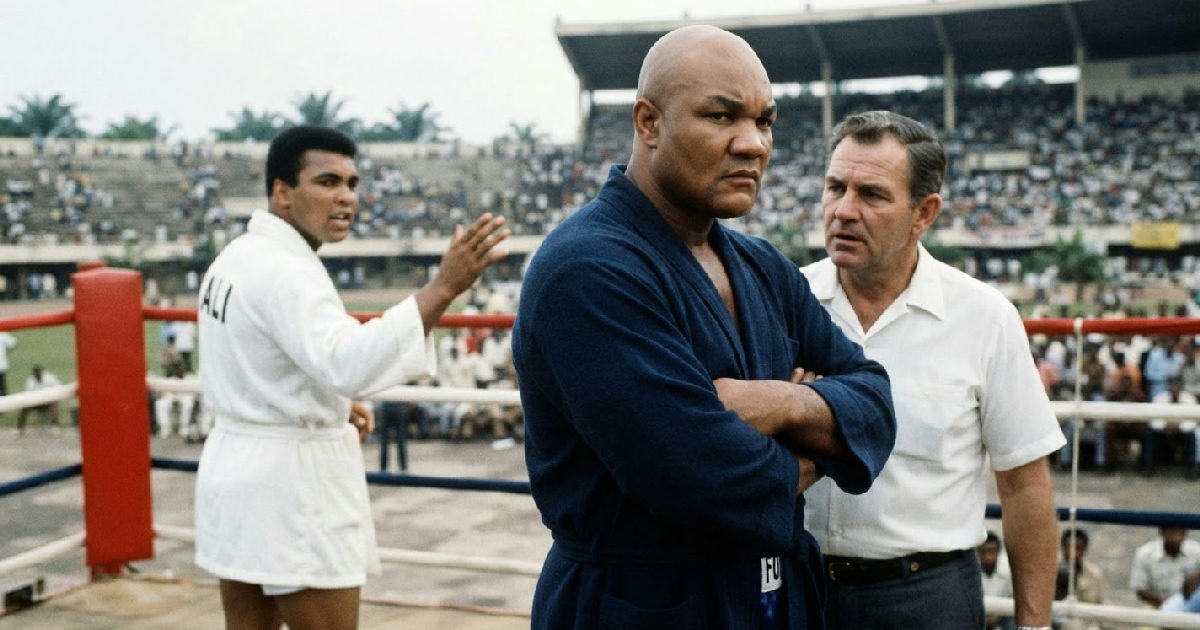
George Foreman rejected Muhammad Ali rematch over trainer
Heavyweight legend George Foreman once declined a highly anticipated rematch with Muhammad Ali, a clash that would have reprised their iconic “Rumble in the Jungle.” The reason? Ali had stipulated that Foreman must rehire his former trainer, Dick Sadler, a condition Foreman definitively rejected.
This surprising revelation, stemming from Foreman himself, sheds new light on why one of boxing’s most desired rematches never materialized after their historic 1974 encounter.
The George Foreman Ali rematch condition that derailed a boxing epic
The decision by Foreman to refuse Ali’s terms effectively closed the door on another chapter of their rivalry, keeping their legendary first bout as the sole head-to-head contest. It was a pivotal moment that shaped the trajectories of both fighters’ careers and left fans to forever ponder “what if” regarding a second showdown between the two titans.
The proposed rematch followed their monumental “Rumble in the Jungle” bout on October 30, 1974, in Kinshasa, Zaire. In that fight, an underdog Ali, deploying his now-famous “rope-a-dope” strategy, delivered a stunning eighth-round knockout to then-undefeated world heavyweight champion George Foreman. It was the first defeat of Foreman’s professional career, a loss that profoundly impacted him.
Years later, Foreman recounted a phone conversation where Ali expressed willingness for a second fight, but with a specific caveat. “I’ll do the match but you’ve got to hire Dick Sadler,” Ali reportedly told him. Foreman’s response was immediate and resolute: “I said I’ll never work with Sadler again.” This singular condition proved to be the insurmountable hurdle.
Sadler’s role and Foreman’s distrust
Dick Sadler had been instrumental in Foreman’s early career, guiding him from his amateur days to winning the undisputed world heavyweight title in 1973. However, Foreman harbored deep-seated grievances against his former coach following the Zaire fight. He believed Sadler had misled him and made critical errors during the “Rumble in the Jungle,” contributing to his unexpected defeat.
Foreman later stated he felt humiliated by the loss, and in a 1996 documentary, he reflected that Ali had “outthought him.” This sentiment extended to his coaching staff. The bitterness was so strong that even the allure of reclaiming his championship and avenging his sole defeat couldn’t sway Foreman to reconsider Sadler’s involvement. “Once is enough,” Foreman declared, signaling the finality of his decision.
Aftermath of the ‘Rumble in the Jungle’
Foreman’s loss to Ali marked a significant turning point in his career. After the “Rumble in the Jungle,” he entered a period of inactivity that stretched for approximately 15 months, not stepping back into the ring until January 1976. This hiatus meant he forfeited his number one contender status and, crucially, any automatic rematch opportunity.
The initial fight contract for the “Rumble in the Jungle” surprisingly lacked a rematch clause. Foreman’s team hadn’t insisted on one, perhaps confident in his seemingly invincible reign and believing lucrative opportunities existed elsewhere without the perceived risk. This oversight removed any contractual obligation for Ali to grant a return bout, leaving the decision entirely in his court.
Foreman’s period of inactivity
Upon his return in 1976, Foreman aimed to rebuild his path towards an Ali rematch, but his comeback trail proved challenging. He fought Ron Lyle in a memorable contest that January, but a subsequent loss to Jimmy Young in March 1977 effectively ended his first boxing career.
He had viewed the Young fight as merely a “tune-up” for a potential Ali fight, but it instead pushed him into retirement.
Foreman also claimed in later years that he was drugged by his trainer before the “Rumble in the Jungle,” adding another layer to his distrust of Sadler. His mental state after the Ali loss was reportedly fragile; he experienced recurring nightmares of being knocked down and struggling to beat the count, suggesting the psychological toll of that defeat was immense.
Ali’s continued reign
Meanwhile, Muhammad Ali continued his dominant run as heavyweight champion. He made several title defenses against various opponents after defeating Foreman, cementing his status as “The Greatest.” While Ali reportedly expressed a desire for a rematch with Foreman as one of his major goals before retiring, his team harbored concerns about facing such a powerful puncher again.
The toll of his challenging fights, including a particularly grueling encounter with Earnie Shavers, likely factored into these considerations. The strategic move to impose Sadler as a condition might have been a calculated way to either avoid a dangerous rematch or subtly pressure Foreman into a disadvantageous situation. These decisions often shape historic sporting events and their outcomes.
What the rematch would have meant
A second clash between George Foreman and Muhammad Ali would have undoubtedly been one of boxing’s most anticipated rematches. It would have offered Foreman a chance at redemption, an opportunity to avenge the only loss of his career at that point and reclaim the heavyweight crown.
For Ali, it would have been a chance to re-affirm his dominance over a formidable opponent, silencing any lingering doubts.
The hypothetical rematch could have further cemented the legacies of both men, potentially altering perceptions of their respective careers. Would Foreman have adjusted his strategy, or would Ali have found another way to baffle “Big George”? These are questions that continue to fascinate boxing historians and fans, underscoring the profound impact of that single rejected condition.
The absence of a second fight left a void that no other bout could truly fill. It meant that Foreman’s initial defeat remained unavenged by his own hands against Ali, a unique circumstance for a fighter who later proved his remarkable longevity and ability to adapt. The narrative of their careers is defined by that single, unforgettable night in Zaire, rather than a prolonged rivalry.
A rivalry transformed into friendship
Despite the competitive tension and the unfulfilled rematch, the relationship between George Foreman and Muhammad Ali evolved dramatically in their later years. The initial animosity and rivalry eventually transformed into a deep and abiding friendship. This shift is a testament to the respect and camaraderie that often develop between great champions who have tested each other to their limits.
Foreman often spoke fondly of Ali, particularly after “The Greatest” began battling Parkinson’s disease. Their bond transcended the boxing ring, becoming a powerful symbol of sportsmanship and mutual admiration. Their post-career friendship offered a poignant contrast to the fierce competition that defined their primes, highlighting the human element behind the athletic spectacle.
Ali’s passing in 2016 deeply affected Foreman, who eulogized his former opponent with heartfelt words, acknowledging the profound impact Ali had on his own life and career. This personal evolution from rivals to close friends is often a rare but beautiful aspect of high-stakes competition, demonstrating how major figures can transcend their professional clashes.
Enduring legacy of two giants
The story of the rejected rematch is a crucial footnote in the broader narratives of George Foreman and Muhammad Ali, two of heavyweight boxing’s most iconic figures. Foreman’s journey saw him retire after the Young loss, only to make an extraordinary comeback in 1987. At 45, he defied expectations by becoming the oldest heavyweight champion in history in 1994, a remarkable testament to his resilience.
Ali, with his three world heavyweight titles and unparalleled charisma, remains an enduring symbol of athletic excellence and social activism. The fact that he was willing to impose such a specific condition for a rematch speaks volumes about his psychological warfare and his deep understanding of his opponents’ vulnerabilities. Both men left an indelible mark on the sport, shaping its history for generations.
Their story, including the never-to-be second fight, continues to be analyzed by fans and experts alike, underscoring the complexities of athletic rivalries and personal pride. The choice Foreman made that day ensured that the “Rumble in the Jungle” would remain a singular, unrepeated event, forever etched in the annals of boxing as a moment of pure, unadulterated drama.