

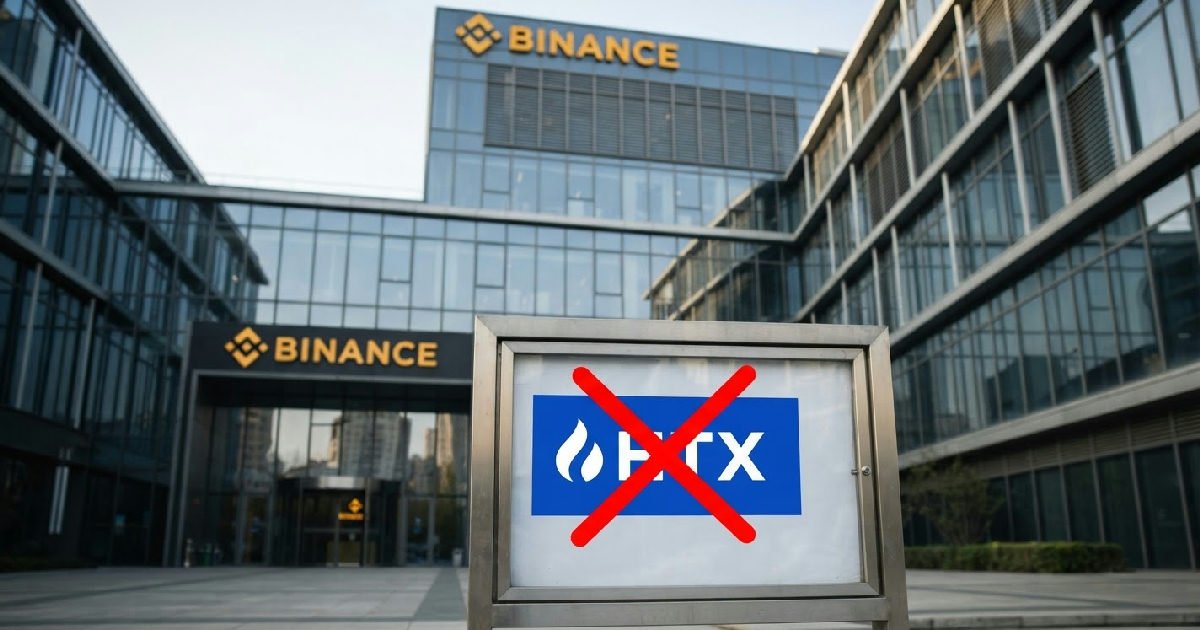
Binance imposes HTX transaction limits over sanctions compliance
Binance, the world’s largest cryptocurrency exchange, has announced it will stop processing direct or indirect transactions involving 16 crypto-asset service providers, including major exchange HTX (Huobi Global SA) and EXMO Ltd. These sweeping Binance transaction restrictions are rolling out in phases through August 23, 2026, driven by the exchange’s commitment to global regulatory developments and sanctions compliance.
The comprehensive measures underscore the mounting pressure on major crypto exchanges to adhere to international sanctions, particularly those issued by the European Union and the United States. Users should carefully review their digital asset holdings and transaction patterns to avoid any disruption, as Binance has indicated that activities with the sanctioned platforms could lead to frozen funds and breach its Terms of Use.
Binance enforces broader sanctions regime
Binance isn’t arbitrarily creating this blacklist; it’s directly mirroring the latest international mandates from Brussels and Washington. The exchange’s move directly responds to the European Union’s 21st sanctions package against Russia, formalized on July 23, 2026, under Council Regulation 2026/1848 and Council Decision (CFSP) 2026/1849.
This EU directive effectively bans transactions with 14 crypto and payment platforms, with 11 of those becoming illegal to transact with starting August 23. Two additional names came from Washington instead, sanctioned by the US Treasury on August 7, 2026. This means Binance’s list matches governmental sanctions name for name.
The 16 affected platforms and their restriction effective dates are:
- Effective August 7, 2026: Shelbit (Shelbit General Trading LLC), Aban Tether Exchange
- Effective August 13, 2026: A7 Nigeria, A7 Africa, PilotFinance Ltd
- Effective August 23, 2026: Rapira, Aifory Pro (Sooty Ltd.), ABCeX (Nueva Cryptologia S.A.S DE C.V.), WhiteBird, NoOnecrypto INC., Tradex (Brightum LLC), Monease Ltd, BitPapa, Exnode, Exnode Pay (Arvix), HTX (Huobi Global SA), EXMO Ltd
It’s crucial to understand that this isn’t a delisting of specific tokens from Binance’s trading pairs. Spot trading for unaffected assets carries on as normal. These restrictions instead directly impact where users can legally send or receive funds, effectively severing direct ties with sanctioned entities and making it impossible to use Binance as a conduit for such transactions.
HTX’s persistent regulatory headaches
HTX, the entity formerly known as Huobi, finds itself at the center of this compliance crackdown, and it isn’t for the first time. The EU’s latest sanctions package adds to an already complex regulatory environment for the exchange.
Back in May 2026, Britain’s government froze the assets of Huobi Global S.A., the Panamanian company operating HTX. This decision was based on “reasonable grounds to suspect” it had provided financial services or made funds available to A7 LLC and Garantex Europe OU. Both A7, a Russian payment network, and Garantex Europe OU are implicated in supporting Russia’s government.
A7 is specifically linked to sanctioned Moldovan politician Ilan Shor and the Russian state bank Promsvyazbank. British officials allege this network moved more than $90 billion last year, highlighting the scale of the suspected illicit financial flows. The UK Treasury solidified its stance on May 29, confirming the asset freeze extended to the HTX exchange itself.
While HTX rejected the UK sanctions and assured users their funds were safe, the Office of Financial Sanctions Implementation (OFSI) maintains the exchange falls under the designation due to its ownership structure. Further complicating matters, HTX is battling the Financial Conduct Authority (FCA) in London’s High Court over accusations of illegal crypto advertisements. The settlement window for this case closes on August 25.
Steve Smart, the FCA’s joint executive director of enforcement and market oversight, criticized HTX’s actions. He stated, “HTX’s conduct stands in stark contrast to the majority of firms working to comply with the FCA’s regime.”
Impact on crypto users and trading flows
These new transaction restrictions will undoubtedly ripple through the crypto community. They’ll particularly affect users who actively move funds between Binance and the blacklisted platforms. While Binance boasts significantly larger daily spot trading volumes than HTX, a platform that claims 59.49 million registered users, only just over 420,000 traded spot in its last half-year report.
Traders relying on seamless transfers between these ecosystems will need to find alternative routes or cease such activities entirely. This also hits smaller platforms on the list, which some users might employ as cheaper or more convenient on-ramps to the broader crypto market.
Essentially, a key artery for certain types of crypto capital flow is now being constricted by one of the industry’s most dominant players.
Beyond active traders, even ordinary crypto wallets could find themselves inadvertently caught in the crossfire. On-chain investigator ZachXBT previously raised concerns that the UK’s order against HTX tainted innocent addresses. This potentially made risk scores for compliant users meaningless. Such broad-brush enforcement can create collateral damage, ensnaring users with no direct involvement in illicit activities.
Binance isn’t operating in a vacuum here. The EU ban binds every firm within the bloc from the same morning, pushing other major exchanges to align their policies. For example, Bybit reportedly tightened its checks months ago in anticipation of such measures.
Users connected to any of the sanctioned entities now have a critical window to clear any funds still “in flight” before their respective cutoff dates, facing potential freezes if they fail to act.
The broader landscape of crypto regulation and sanctions
Binance’s latest actions underscore a clear trend in the evolving cryptocurrency landscape: regulators are intensifying their scrutiny. Major players like Binance are compelled to fall in line. The era of a largely unregulated digital asset market is definitively over, replaced by a complex web of national and international compliance requirements.
This proactive enforcement by a dominant exchange sends a strong signal across the industry. The targeting of platforms like HTX for alleged links to sanctions evasion highlights the critical role crypto exchanges now play in global financial security. Governments are increasingly sophisticated in tracing digital asset flows, and any perceived weak points in the ecosystem will likely face swift and decisive action.
It means platforms can no longer afford to be complacent about their user onboarding, transaction monitoring, or geographical restrictions. For instance, TRM Labs, a blockchain intelligence firm, reported that HTX had been rapidly rotating hot wallets and funding addresses across various blockchains, including TRON, Ethereum, BNB Chain, and Solana, following the UK sanctions.
While HTX maintains these are routine security operations, TRM Labs suggested this behavior could be an attempt to evade sanctions screening. This highlights the cat-and-mouse game between regulators, compliance firms, and potentially non-compliant entities, with Binance now stepping in to enforce strict adherence.
Navigating compliance in a fragmented global market
This development poses significant questions for the future of crypto exchanges and their operational models. How will they balance global reach with increasingly fragmented and stringent national regulations? The answer likely involves even more robust Know Your Customer (KYC) and Anti-Money Laundering (AML) protocols.
This must be alongside sophisticated on-chain analytics to identify and block suspicious activities. It means higher operational costs and potentially slower processing times for users as exchanges become de facto enforcers of state policy.
The move also forces the entire crypto ecosystem to confront the reality of its traditional finance integration. As digital assets become more intertwined with the legacy financial system, they inherit its regulatory burdens. This includes compliance with sanctions lists, which are fundamental to international economic policy.
Failure to comply can result in massive fines, reputational damage, and even loss of operating licenses for exchanges. Institutional adoption of crypto demands a highly regulated environment, underscoring the shift towards stricter oversight in the sector.
Protecting your crypto assets: what users need to know
For individuals holding assets or routinely transacting with any of the 16 blacklisted platforms, immediate action is paramount. Binance’s August 23 deadline for most of the EU-sanctioned entities means time is running out. Any funds sent to or from these platforms via Binance after the cutoff could be frozen indefinitely pending a compliance review.
Users should:
- Identify Affected Platforms: Check if any platforms you use are on the Binance blacklist.
- Withdraw Funds: If you have assets on these platforms, and you typically move them through Binance, consider withdrawing them to a non-custodial wallet or a different compliant exchange well before the deadline.
- Avoid New Transactions: Refrain from initiating any new transactions with these entities via Binance to prevent your funds from being held up.
- Review Terms of Use: Familiarize yourself with Binance’s updated Terms of Use to ensure ongoing compliance.
Ultimately, the onus is on individual users to stay informed and manage their digital assets responsibly within this rapidly changing regulatory environment. The consequences of failing to do so could be significant. This ranges from temporary fund freezes to permanent loss of access. As the crypto market matures, regulatory compliance isn’t just a recommendation; it’s a necessity for all participants.