

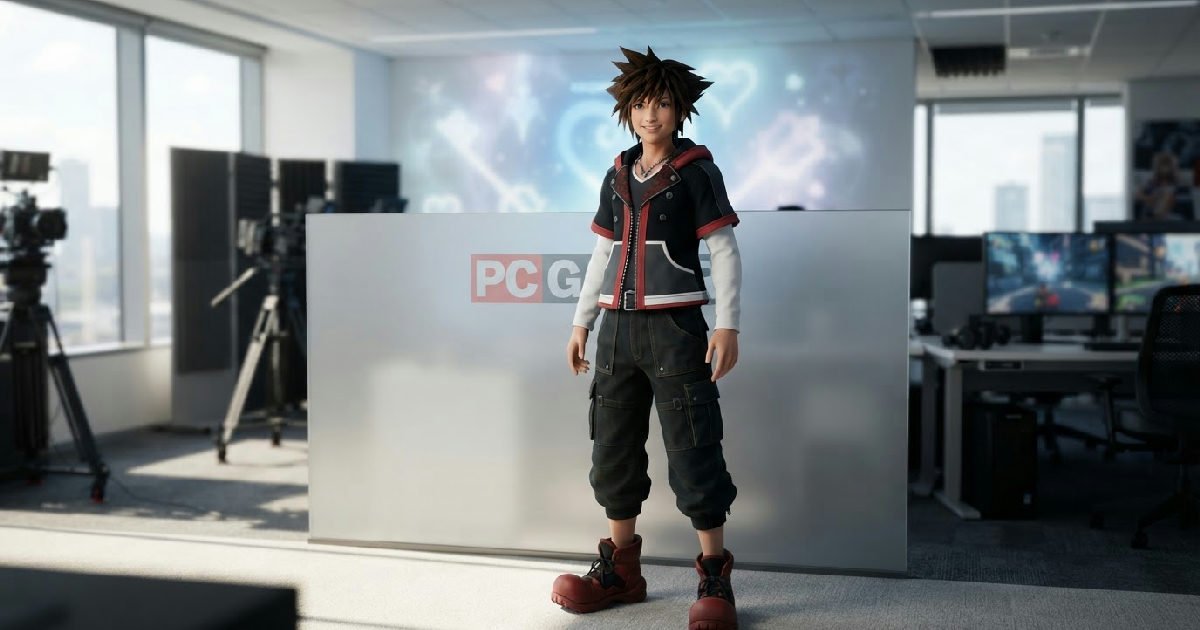
PC Gamer headline suggests Kingdom Hearts anime
A recent headline from PC Gamer, published today, August 16, 2026, has stirred discussion regarding a potential Kingdom Hearts anime adaptation. The article, titled “The next big videogame TV adaptation is a Kingdom Hearts anime,” suggests the popular video game franchise could be the next major property to transition to television.
While specific details about the adaptation remain unstated within the provided source, the very existence of such a prominent headline from a major gaming publication points to the ongoing industry trend of video game intellectual properties being explored for broader media formats. This reflects a growing interest in translating interactive entertainment into linear narratives.
Kingdom Hearts anime adaptation discussed
The relationship between video games and their screen adaptations has notably evolved. What was once often met with skepticism has shifted towards a period of increased activity and varied approaches to storytelling across television and streaming platforms.
Early attempts at adapting games frequently fell flat, struggling to capture the essence of their source material. However, recent years have seen a marked improvement, with critically acclaimed series like *Arcane* and *Cyberpunk Edgerunners* demonstrating what’s possible.
This evolving landscape suggests a deeper understanding of how to translate rich, interactive game narratives into compelling episodic formats. Television and streaming offer the expansive canvas often needed to develop complex plots and character arcs effectively.
Streaming services, in particular, have invested heavily, providing the budgets and creative freedom necessary for these projects to thrive. They recognize the built-in audience and passionate fanbases that video game IPs bring.
Long-form narratives enhance game lore
The serial nature of television provides an ideal framework for meticulously building worlds and developing characters, honoring the often-extensive lore found in many video games. This format can allow for a detailed exploration of storylines and settings that might be difficult to capture in shorter film formats.
For a franchise as dense and interconnected as Kingdom Hearts, an anime series could intricately weave together its many plot threads. It could delve into character backstories and motivations, enriching the established universe beyond what the games alone provide.
Such adaptations, when handled with care, demonstrate how long-form storytelling can enrich and expand upon the foundational elements that make a video game franchise compelling to its audience.
This medium naturally accommodates the complex interplay of original characters with beloved figures from Disney and Pixar, creating a cohesive narrative experience that transcends the limitations of a typical movie.
Why an anime approach could fit the series
The possibility of a Kingdom Hearts series taking the form of an anime is a point of keen interest. For a franchise known for its distinctive visual aesthetic, an animated medium often presents a natural and cohesive pathway for adaptation.
An anime production would seamlessly translate the games’ vibrant art style and exaggerated action sequences to the screen. It can embrace the fantastical elements and emotional depth without the inherent challenges of live-action.
This approach could allow for a faithful visual translation of the game’s established style, which may resonate strongly with its dedicated fanbase and introduce new viewers to its unique presentation.
Moreover, the narrative structure of many anime series, with their emphasis on character development, long-running sagas, and intricate mythology, aligns perfectly with the core tenets of the Kingdom Hearts storyline.
Adapting a rich, complex universe
The Kingdom Hearts series has cultivated an intricate mythology over many years, creating a distinctive narrative universe. Translating such a rich and sprawling story into a new medium presents both significant creative opportunities and considerable challenges.
Its unique blend of original characters, Final Fantasy cameos, and a vast array of Disney and Pixar worlds makes for an incredibly complex narrative tapestry. Every world introduces new characters and challenges, all connected by an overarching battle against darkness.
An adaptation would need to navigate the series’ established continuity while finding ways to remain accessible to new audiences. It’s a task requiring careful consideration to honor the original vision while crafting an engaging standalone narrative.
This means carefully selecting which game events to highlight, how to explain complex lore without overwhelming viewers, and maintaining the emotional core that has resonated with fans for decades.
High fan expectations for potential adaptation
Any discussion around adapting a beloved video game franchise inevitably brings high fan expectations. The creative team tasked with such a project would face intense scrutiny over every decision, from visual fidelity to narrative choices.
The Kingdom Hearts fanbase is particularly passionate, having followed Sora, Donald, and Goofy’s adventures across numerous games and platforms. They have a deep emotional connection to the characters and the intricate lore.
Fans often look for an interpretation that respects the established canon, making the balance between faithfulness and narrative innovation a critical aspect of development for any highly anticipated adaptation.
The potential pitfalls include straying too far from the source material or failing to capture the unique blend of hope, friendship, and despair that defines the series. Authenticity will be key to winning over the existing audience.
Addressing continuity and new audiences
A long-running video game series often features a complex, deeply interwoven storyline. Adapting this for a new audience, whether condensing or expanding it, is a significant hurdle.
One approach might involve focusing on a specific narrative arc from the games, allowing for a concentrated and coherent story. Alternatively, the series could introduce a new original story set within the established universe.
The creative process would involve finding effective ways to introduce newcomers to the franchise’s world without alienating the players who have followed its narrative developments for years. This demands a profound understanding of the original material to craft a cohesive and satisfying story for all viewers.
Ultimately, the goal is to create a compelling story that stands on its own while also serving as a gateway for new fans to explore the rich history of the Kingdom Hearts games.
The business case for gaming IP on television
Beyond artistic considerations, the strategic decision to explore video game intellectual property for television is often driven by clear business imperatives. Expanding beloved gaming franchises into new media offers a route to broader audience reach and enhanced monetization of the property.
In the competitive streaming landscape, established IPs provide a built-in audience, potentially reducing marketing risks and increasing viewership. This diversification expands revenue streams beyond traditional game sales.
The increasing value placed on intellectual property in the digital economy reflects broader market trends, with some analysts even suggesting parallels between the perceived worth of these creative assets and emerging digital asset classes. A successful TV series can also reignite interest in the original games, creating a beneficial cycle for the entire franchise.
Furthermore, a well-received adaptation can introduce the game to an entirely new demographic. These new fans might then be compelled to explore the original games, boosting back catalog sales and franchise longevity.
This cross-media strategy leverages brand recognition, turning a successful game into a multimedia phenomenon. It’s a proven model for extending a property’s lifespan and maximizing its overall profitability in a crowded entertainment market.
Future implications of gaming and media convergence
The appearance of a headline like PC Gamer’s concerning a potential Kingdom Hearts anime adaptation underscores the growing convergence of the video game and traditional entertainment industries. It signals a future where the boundaries between gaming and other media forms continue to blur, benefiting both creators and consumers.
This trend suggests an exciting era for transmedia storytelling, where narratives can unfold across multiple platforms, offering different entry points and experiences for fans. Games, movies, and series are becoming increasingly interconnected, enriching the overall universe.
As more gaming franchises prove their adaptability, we can anticipate an increase in varied and ambitious projects across different platforms. This trend is likely to push storytelling boundaries and introduce popular characters and worlds to new generations of fans globally.
The success of these adaptations will likely encourage game developers to consider multimedia potential earlier in their creative processes. This could lead to games being designed with future TV or film adaptations in mind, fostering even stronger narrative coherence across formats.
Ultimately, this convergence means more options for consumers and a richer tapestry of content derived from beloved interactive stories. It solidifies video games as a central pillar of contemporary entertainment, equal in storytelling potential to film and television.