

Pro Wrestling Debates ‘Paying Dues’ Tradition Amidst Modern Scrutiny
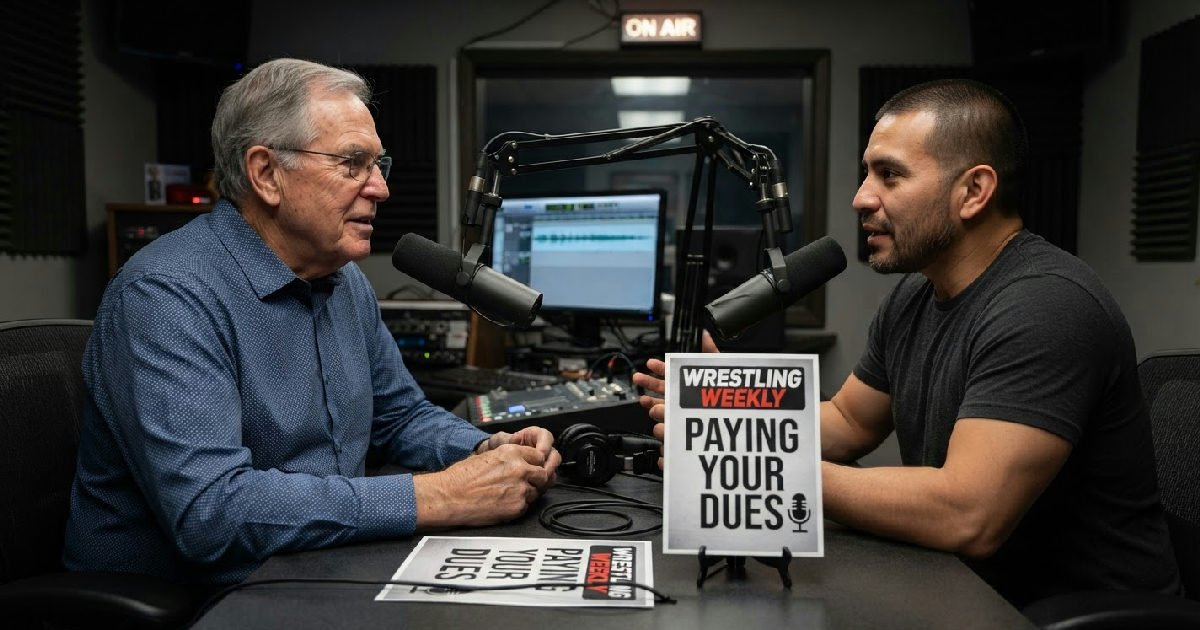
The age-old axiom of “paying your dues” in pro wrestling has roared back into the spotlight, igniting fresh debate across the industry. Veteran wrestling figure Les Thatcher and co-host Vic Sosa tackled the complex topic on a recent episode of Wrestling Weekly, probing whether this long-held tradition remains a crucial rite of passage or an outdated form of exploitation.
Their discussion comes in the wake of renewed scrutiny following controversy surrounding Avery Styles, son of renowned wrestling icon AJ Styles. The conversation highlights a fundamental tension between wrestling’s arduous historical path and the rapidly evolving landscape of modern talent development.
Defining the grind: What paying dues truly entails
“Paying your dues” isn’t just a phrase in professional wrestling; it’s a philosophy that has long dictated an aspiring performer’s journey. It refers to the extensive period of training, sacrifice, and often unglamorous work undertaken before achieving mainstream success.
This process typically involves working on smaller, independent shows for minimal compensation. Wrestlers often spend years traveling extensively, building their skills and reputation far from the bright lights of major promotions.
The financial and physical toll
The practical realities of paying dues frequently demand significant personal and financial sacrifice. Many aspiring wrestlers crisscross the country, driving hundreds of miles for bookings that pay as little as $15 for a 400-mile round trip.
These meager earnings barely cover essential expenses like fuel, let alone vehicle payments or lodging. Legendary wrestler Steve Austin once recounted making just $15 for a round trip between Nashville and Memphis, struggling to afford the $154 monthly payments on his Hyundai Excel.
Beyond the financial strain, performers are often expected to contribute to the logistical backbone of events. This includes arriving early and staying late at venues to help set up and tear down the wrestling ring. It’s an all-hands-on-deck approach that underpins many smaller operations.
Even respected figures like Jimmy Hart, well into his seventies, have been observed assisting with chair setup for various shows. This dedication underscores a culture where everyone contributes, regardless of their status.
Aspiring wrestlers also often carry equipment, distribute promotional posters, and sell tickets at events. They work merchandise tables, engage with fans, and tirelessly promote upcoming shows. These tasks are seen as integral to understanding the business from every angle.
An evolving tradition of respect and hazing
Historically, earning respect from peers was an inseparable part of paying dues in pro wrestling. This often proved to be a challenging and demanding process for newcomers.
The tradition sometimes included a period of testing, or even hazing, once a wrestler joined a major company like WWE. Reports suggest new talent could endure constant hazing both inside and outside the ring for at least a year.
Veterans viewed this as a way to gauge whether new recruits possessed the necessary “mental fortitude” for the demanding industry. It was an informal yet pervasive system designed to establish a pecking order and reinforce a meritocracy built on resilience.
Part of this unspoken contract involved learning from experienced colleagues. Wrestlers were expected to carry veterans’ bags and ensure workers had water after matches, demonstrating humility and a willingness to serve the collective.
The expectation extended to performing with equal intensity whether for a small crowd of 50 or a packed arena of 5,000. This instilled a fundamental work ethic, considered vital for enduring success in the business.
The modern debate: Tradition versus exploitation
Today, the concept of “paying your dues” in pro wrestling faces increasing scrutiny and a growing debate within the community. Many argue that the tradition has become outdated, serving more as a vehicle for exploitation than genuine mentorship.
Critics contend it’s often used as an excuse to demand free labor for tasks like ring setup and teardown. One unnamed Reddit user suggested it’s a way for promoters to cut costs, dressing up unpaid work as a virtue to save money.
Others believe it can be a toxic mechanism used to “discourage or put people down.” Another Reddit user described it as a “f*** you shut up stop complaining” tactic, rather than a truly beneficial developmental process. This perspective highlights the potential for abuse within an unregulated system.
But many still champion the idea, viewing it as essential for understanding the business. They argue it fosters respect for those who came before and provides an invaluable education in every facet of the wrestling world. It’s an opportunity for networking and comprehensive learning.
The conversation around AJ Styles’ son, Avery Styles, brought this tension to a head. Reports from Arik Cannon suggested Avery avoided setup and teardown tasks at a GCW event, reigniting questions about whether certain individuals bypass the traditional grind.
While some argue paying dues is part of the business, they also acknowledge it’s not a guaranteed strategy for advancement. Wrestlers can endure years of hardship but still fail to progress if they lack other critical skills or opportunities.
Paths to stardom: Dues-payers and instant stars
The wrestling world has seen both long, arduous journeys and rapid ascensions to fame. Understanding these different paths helps contextualize the “paying your dues” debate.
Many of today’s biggest names exemplify the traditional route. AJ Styles, before his 2016 WWE debut, was a highly respected, world-traveled veteran, having excelled in Impact Wrestling and New Japan Pro Wrestling.
Bryan Danielson, known to WWE fans as Daniel Bryan, was a foundational figure in Ring of Honor. His tireless work helped establish the promotion before he became one of WWE’s most popular and influential wrestlers.
Cody Rhodes also embodies the dues-paying narrative. After an initial WWE run marred by mid-card roles, he departed to travel the world and establish himself as a main event talent. His 2022 return to WWE was hailed as a triumphant comeback for someone who truly earned his spot.
Arik Cannon once shared a photo of Rhodes, despite his wrestling lineage, sweeping broken glass out of a ring during his independent days.
Chris Benoit dedicated nearly two decades to the craft, including significant stints in ECW and WCW, before finally capturing the World Championship at WrestleMania in WWE. Alberto Del Rio also paid his dues in Mexican wrestling companies since 2000 before joining WWE.
Steve Austin, another icon, has often spoken about having to “scrape his way through” and “do everything he could” before finding his breakthrough moment. This dedication is a common thread among those who rose through the ranks.
Conversely, some wrestlers have achieved rapid success, sometimes bypassing the typical independent circuit grind. Brock Lesnar, known for his formidable size and athleticism, quickly rose through the ranks in WWE in his early twenties. He became an “instant star” due to his unique physical attributes and athletic background.
Ronda Rousey, a former UFC champion, and Randy Orton, from a storied wrestling family, also experienced accelerated paths to WWE stardom. Their pre-existing fame or pedigree allowed them to skip many of the traditional dues-paying steps. This contrast fuels much of the modern discussion about fairness and opportunity in the sport.
The future of wrestler development and industry respect
The debate over “paying your dues” extends beyond individual wrestlers to the very structure of talent development in pro wrestling. As the industry globalizes and new avenues for exposure emerge, traditional pathways are being challenged.
Promoters and veterans face the complex task of balancing essential training and respect for the business with avoiding exploitative practices. The rise of social media and accessible independent circuits means wrestlers can build a following more quickly than in previous eras.
This shift raises questions about what truly constitutes “earning your stripes” in a contemporary context. Is it still solely about grueling travel and low pay, or does mastering performance and connecting with a digital audience also count as paying dues?
Ultimately, the conversation on Wrestling Weekly underscores a critical juncture for professional wrestling. It’s a moment for reflection on core values, how talent is nurtured, and what qualities truly define a successful and respected performer in the years to come.