

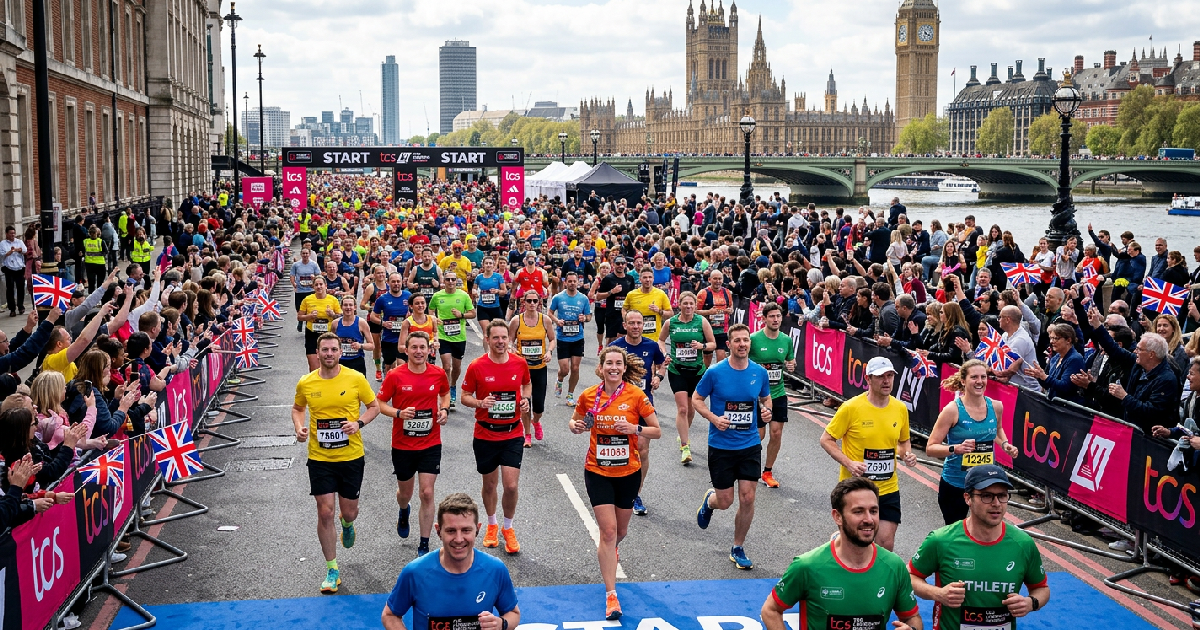
London Marathon maintains status as worlds premier race
The London Marathon has reinforced its standing as a cornerstone of the global distance running calendar, turning the streets of the British capital into a sprawling showcase of athletic endurance and community spirit. By bringing together a massive field of world-class professionals and thousands of amateur runners, the event continues to set the standard for the World Marathon Majors. Organizers have often highlighted how its unique urban route provides an atmosphere that is difficult for other international cities to match.
While other races in the elite series might offer flatter courses for potential world records, the sheer scale of the crowds and the logistical operations in London provide a specific emotional weight. From the starting points in Greenwich to the final stretch on The Mall, the event is a significant cultural fixture. It impacts everything from the local tourism economy to the city’s broader sporting legacy. In a period of economic shifts, the marathon appears to be a resilient property for British sport.
Part of the race’s enduring appeal is how it weaves the city’s history into the competitive route. Navigating past the Cutty Sark and crossing Tower Bridge offers a visual prestige that makes the race a bucket list item for runners across the globe. This level of public engagement and support mirrors trends in other international sports, such as the way the Vietnam national team exceeded expectations with their own recent surge in national support and public visibility.
The Influence of the London Crowd on Performance
The spectator support in London is frequently described as a defining characteristic that differentiates it from other major races. Observers note that while stretches of the course in other cities can feel quiet or isolated, the London route is almost entirely lined with supporters. This persistent energy is thought to serve as a vital psychological tool for participants when they reach the most difficult stages of the race.
The involvement of high-profile ambassadors and charity fundraisers adds a layer of cultural relevance that helps the marathon maintain a broad audience. By blending elite athletic performance with human-interest narratives, the race stays at the forefront of social media discussions. At a time when market sentiment can be unpredictable across various industries, the event provides a reliable point of stability in the annual sporting calendar.
Logistical Coordination and Modern Integration
Running a mass-participation event in a metropolis as dense as London requires significant cooperation between the Metropolitan Police, transport authorities, and thousands of volunteers. The speed at which the city transitions from closed roads back to normal functioning is often cited as a benchmark of organizational engineering. Race directors from around the world reportedly look to the London model when planning their own urban events.
Technological shifts have also influenced the modern experience for both runners and fans. Digital tracking platforms and improved mobile engagement allow for better real-time updates for those following the race from afar. This evolution echoes broader changes in systemic talent acquisition and tracking, much like how Arsenal target certain profiles to improve their competitive results through modern data and strategic planning.
Economic Contributions and the Philanthropic Engine
The London Marathon is widely regarded as a massive engine for the non-profit sector, reportedly serving as one of the world’s most significant annual one-day fundraising events. By offering a platform for thousands of different causes, the race facilitates a major influx of capital for charities. This charitable focus provides the event with broad social support that often protects it from the criticism faced by other large-scale urban disruptions.
Outside of the non-profit impact, the local hospitality sector sees a clear boost. Hotels and restaurants along the route frequently report high activity levels as tens of thousands of visitors travel to the capital. The race effectively serves as an international advertisement for London, portraying it as an accessible and capable host for major global tourism and sport.
As organizers look toward future editions, the focus is expected to stay on sustainability and diversifying the participant pool. By evolving alongside social expectations, the marathon aims to keep its status as a gold-standard event. While other cities may offer higher prize purses or faster times, the prestige of finishing under the gaze of Buckingham Palace remains a primary draw for the world’s best runners.