

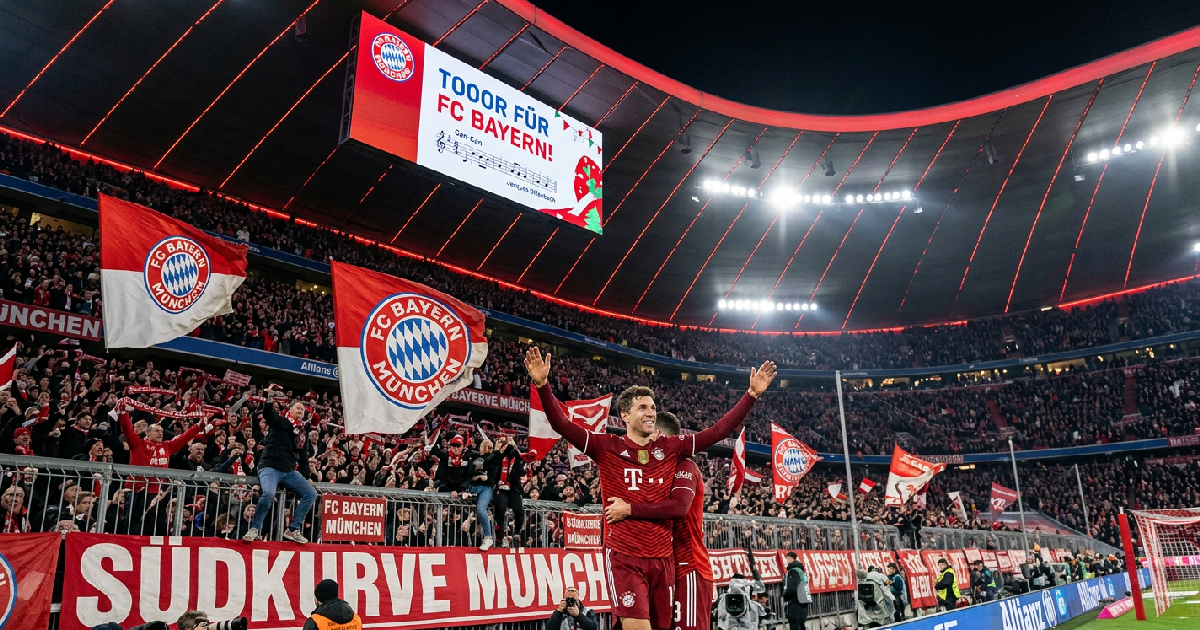
The Story Behind Bayern Munich’s Iconic Goal Music at the Allianz Arena
FC Bayern Munich has reinforced its reputation as an offensive powerhouse throughout the current campaign, maintaining a form that keeps the club at the forefront of the Bundesliga trophy hunt. Under their current management, the Bavarian giants have turned the Allianz Arena into a venue where visiting defenders often find themselves overwhelmed by a relentless attacking rhythm. This scoring prowess is celebrated by a specific tradition that has become a nightmare for opponents: the high-energy sound of Jacques Offenbach’s “Can-Can” echoing through the stadium rafters.
The choice of goal music at the Allianz Arena is as much a part of the matchday experience as the red-lit exterior of the stadium itself. After every strike from the home side, the speakers erupt with the melody of the “Infernal Galop” from Offenbach’s nineteenth-century operetta, Orpheus in the Underworld. While many German clubs opt for local folk songs or modern pop hits, Bayern’s commitment to this classical piece provides a distinctive, rhythmic backdrop to their presence on the pitch. This flair for the dramatic mirrors the influence of major icons on the next generation of athletes, where established traditions and superstars shape the expectations of the fans.
The tradition reportedly dates back to the early 1990s, when the club was still playing its home matches at the Olympiastadion. Though the exact administrative reason for selecting the “Can-Can” has faded into club folklore, its staying power is undeniable. The jaunty, fast-paced tempo is inherently celebratory for the home supporters, but it carries a different weight for the opposition. For a team trailing by multiple goals, the upbeat tune can feel almost mocking, adding a psychological edge to the atmosphere in Munich.
The impact of an aggressive attacking philosophy
The frequency with which the music is played this season reflects a proactive tactical approach. Bayern has adopted a high line and aggressive pressing, leading to results that keep the stadium DJ busy throughout the afternoon. In top-tier European competition, the club has managed to put multiple goals past some of the continent’s most decorated teams, forcing elite opponents to listen to the “Can-Can” several times in a single evening.
This level of offensive output is a deliberate choice by the sporting department. It mirrors the strategic pursuit of attacking talent seen at other top clubs, where the recruitment of clinical finishers is prioritized to maintain high scoring averages and entertaining football. By ensuring the “Can-Can” plays often, the club reinforces its brand as an entertainment juggernaut.
A cultural staple in German football
In the wider context of German football culture, goal songs are often deeply rooted in regional identity. Various clubs across the country utilize classical or traditional arrangements that reflect their local heritage. Bayern’s use of the “Can-Can” is somewhat unique in that it isn’t an overtly Bavarian folk song, yet it has become synonymous with the club’s identity through decades of repetition. It serves as a signaling device for the fans, who accompany the music with a synchronized chant led by the stadium announcer.
While much of the media’s focus remains on high-stakes matches and player movements, the atmosphere within the stadium remains the heartbeat of the sport. At the Allianz Arena, that atmosphere is defined by the contrast between the tension of the match and the sudden, carnival-like explosion of Offenbach’s music. This consistency helps build a sense of inevitability during home fixtures, regardless of the opponent.
Maintaining dominance at the Allianz Arena
Reports from the current season suggest that Bayern Munich has no intention of slowing down its scoring rate. The Allianz Arena has historically been one of the most difficult venues in Europe for visiting goalkeepers, and current form suggests that trend is only intensifying. Each time the music plays, it represents a successful execution of a philosophy that prioritizes forward movement and relentless pressure.
For analysts looking at the broader sports market, this kind of sustained performance often translates into increased commercial value and fan engagement. Just as global capital flows into diverse assets like stocks and digital currencies, the football industry sees a concentration of value in clubs that can guarantee a spectacle. Bayern Munich’s ability to combine traditional matchday elements with modern tactical brilliance ensures their brand remains at the pinnacle of the sport.
As the season moves toward its conclusion, the sound of the “Can-Can” will likely continue to ring out across Munich. It remains one of the most recognizable traditions in the Bundesliga, a rhythmic reminder of Bayern’s status as a premier attacking force. Whether it is a late-season league game or a high-pressure knockout match, the goal music at the Allianz Arena stays the same, providing a familiar soundtrack to the club’s pursuit of further silverware.