

Valve composer Mike Morasky inadvertently mentions HLX
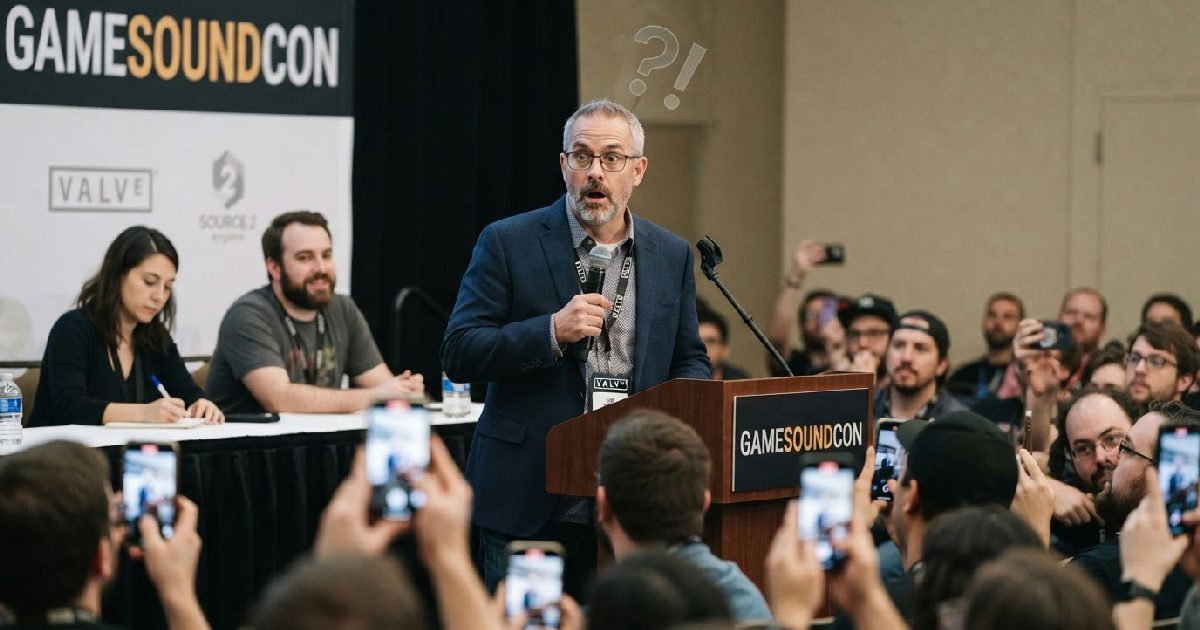
Valve composer Mike Morasky inadvertently mentioned “HLX,” a widely believed codename for Half-Life 3, during a GameSoundCon panel on October 21, 2026. The slip-up has reignited decades-old speculation among fans about the long-awaited sequel to the iconic first-person shooter series.
This marks the first public utterance of the mysterious codename by a Valve employee, transforming long-standing whispers into a concrete, albeit accidental, hint. The comment occurred during a discussion about audio engines, immediately catching the attention of fellow panelists and the wider gaming community.
Mike Morasky’s Accidental Reveal at GameSoundCon
For two decades, Half-Life fans have been in a state of perpetual anticipation following the cliffhanger ending of Half-Life 2: Episode Two. Valve has maintained a characteristic silence on a third mainline installment, fueling both hope and resignation within its dedicated fanbase.
The pivotal moment unfolded at this week’s GameSoundCon in Burbank, California, during a panel titled “Valve’s Approach to an Open and Flexible Audio Engine.” Valve’s own Mike Morasky, a composer and technical specialist known for his work on Half-Life: Alyx, Portal 2, and Counter-Strike 2, was speaking alongside sound designers David Feise and Carlye Nyte.
While discussing High Dynamic Range (HDR) audio implementations across different Valve projects, Morasky stated, “Deadlock has its own HDR, HLX has its own HDR.” The casual mention of “HLX” immediately pricked up ears, especially those familiar with the deeper lore of Valve leaks.
This kind of nuanced detail is often what drives excitement in the gaming community, much like players discovering surprising parry mechanics in campaign modes of other popular titles.
The reaction from his colleagues was telling. Sound designer David Feise reportedly whispered “Nice work” to Morasky shortly after the comment. As the panel concluded, Feise leaned in again, seemingly remarking, “Good job. You only said ‘HLX’ once,” to which Morasky reportedly responded with a surprised, “I did?” The entire exchange, captured on video from the panel, quickly circulated online.
The persistent rumors behind the “HLX” codename
The codename “HLX” is far from new in the clandestine world of Valve datamines and insider reports. For years, dedicated fans and leakers have unearthed references to “HLX” within updates to Valve’s Source 2 engine, as well as in the codebases of games like Counter-Strike 2, Dota 2, and Deadlock.
These fragmented pieces of code have consistently pointed towards a major, unannounced project believed to be Half-Life 3, or at least a direct continuation of Gordon Freeman’s story post-Half-Life 2: Episode Two. The persistent appearance of the codename has cemented its status as the unofficial identifier for the mythical sequel.
This isn’t the first time Morasky himself has inadvertently fanned these flames. Reports from last year detail instances where he allegedly used “HLX” in interviews, quickly correcting himself, and even hinted at working on two Half-Life titles despite only being officially credited for Half-Life: Alyx. These earlier slips now seem to lend further credence to his latest public utterance.
Dataminer discoveries and insider reports
The “HLX” codename has become a goldmine for dataminers. Their deep dives into Source 2 engine updates have reportedly uncovered details about advanced dynamic physics, intricate gravity zones, and environments that defy traditional floor and wall definitions. NPCs are said to be capable of navigating these complex, altered spaces, suggesting a highly ambitious technical scope for the project.
Long-time Valve reporter Tyler McVicker stated in 2025 that the game is not only in development but “playable from end to end.” Similarly, content creator Gabe Follower, a prominent voice in Valve leaks, has frequently claimed that Half-Life 3 under the “HLX” codename is real and progressing behind the scenes.
Further supporting the advanced stage of development, dataminers have reportedly found code related to FSR3, AMD’s frame generation technology, specifically for “HLX.”
Such integration is often seen as an indicator that a game is moving into its final stages of optimization and polish, a common practice for major releases much like special events offering unique weapon blueprints to engage players.
The collected technical data largely suggests “HLX” is envisioned as a fully-fledged, single-player, story-driven experience, steering clear of the VR-exclusive path taken by Half-Life: Alyx.
Valve’s playful secrecy and community engagement
Valve has a storied history of maintaining extreme secrecy around its projects, often to the delight and occasional frustration of its dedicated fanbase. This deliberate opacity has fostered a unique relationship with its community, where every tiny hint or accidental leak is dissected with intense scrutiny. It’s a game within a game, played out between the developer and its players.
One notable example of Valve’s self-awareness came in an unspecified June when Gabe Follower reported finding a boolean variable in Dota 2 game files named “m_bHackWhyAreYouGuysReadingOurVariableNames.” This seemingly playful jab at dataminers highlights Valve’s awareness of its community’s relentless pursuit of clues and suggests a deliberate dance between revealing and concealing information.
Some in the community interpret these “slips” not as genuine accidents but as calculated, if subtle, teasers. A commenter on Gabe Follower’s X post, claiming to know Morasky personally, suggested that “Valve knows how much the official announcement is going to shake the gaming world, they’re enjoying teasing us.”
This perspective aligns with Valve’s often unconventional approach to marketing and community interaction, a dynamic seen across the industry, even when major game advertisements face content censorship for broader broadcast.
The enduring quest for Half-Life 3
The prospect of a new Half-Life game, especially one returning to a traditional non-VR format, holds immense significance for the gaming industry. The series has consistently pushed boundaries in storytelling, environmental design, and gameplay mechanics, influencing countless titles that followed. A direct sequel after such a long hiatus would undoubtedly be one of the most anticipated releases in history.
The current reveal by Mike Morasky serves as the most direct internal confirmation of the codename “HLX” to date, lending substantial weight to the years of datamined evidence and reporter claims. While it falls short of an official announcement, it provides a much-needed jolt of renewed hope for a fanbase that has become accustomed to infinite patience.
Valve remains officially silent on the matter, as expected. This latest slip, however, adds another intriguing chapter to the saga of Half-Life 3, reinforcing the belief among many that the game is not just a pipe dream but a tangible project moving forward behind the closed doors of Bellevue, Washington. For now, the waiting continues, albeit with a fresh, tantalizing piece of evidence.