

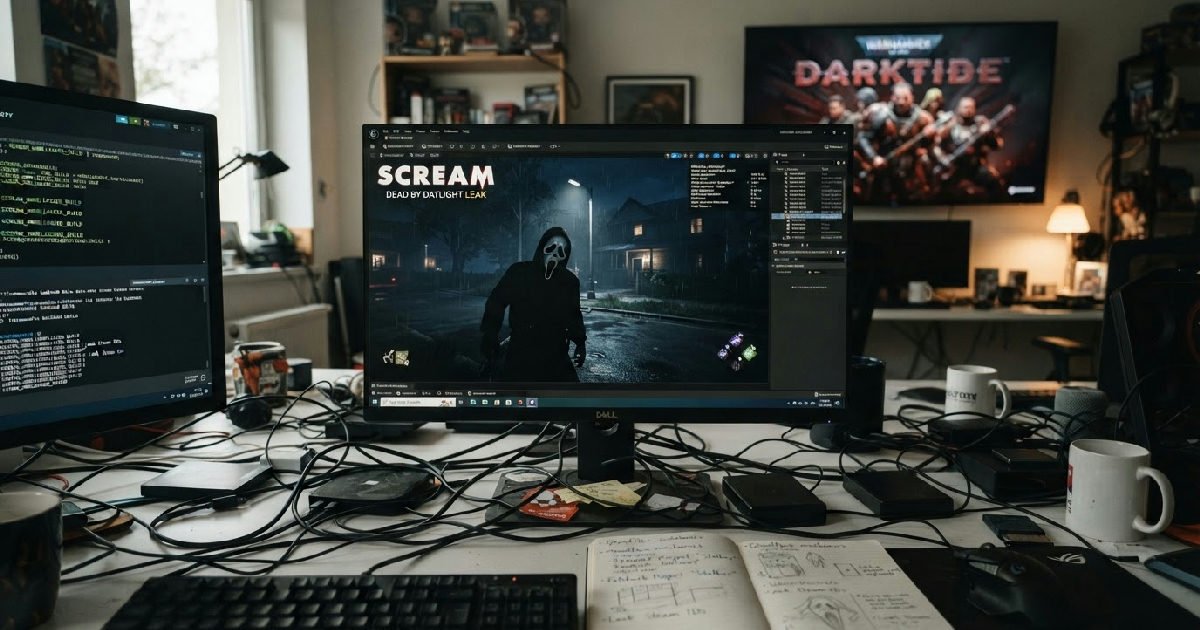
Unreleased Scream game from Darktide developer Fatshark found in Steam leak
A fully playable, unreleased Scream game developed over a decade ago has been discovered and resurrected by the gaming community. The lost project, created around 2011 by Fatshark, the studio behind the popular Warhammer: Darktide, was unearthed in a colossal leak of data from Valve’s Steam platform. It is now being actively played online after its discovery by a user on August 31.
The game emerged from a treasure trove of forgotten files dubbed the “Teraleak,” a massive Valve data leak reportedly spanning 12 to 13 terabytes. This colossal data trove contained a decade’s worth of content from Steam’s old servers. Unlike a hack, the data was reportedly found on a publicly accessible endpoint, exposing everything from early builds of AAA games to internal development assets.
The Scream game leak reveals a ghost from gaming’s past
The untitled Scream project is an asymmetrical multiplayer horror game, a genre that wouldn’t see mainstream popularity for another five years. In the game, a team of players takes on the role of survivors attempting to escape while one player hunts them as the iconic killer, Ghostface. The discovery provides a fascinating look at what could have been a trailblazer in the genre.
Datamined information suggests the game was developed by the Swedish studio Fatshark around 2011. This timeline places its creation just ahead of the theatrical release of Scream 4, indicating it was likely intended as a tie-in that never materialized.
Folder names within the leak, such as “Scream_Pitch” and “Screampitch_inside,” strongly suggest the project was a prototype or pitch that was ultimately not greenlit for a full release.
Footage of the restored game reveals surprisingly familiar mechanics. The player controlling Ghostface can utilize a “ghost mode,” allowing them to move around the map unseen before ambushing their victims. This feature is notably similar to abilities seen in modern asymmetrical titles like Dead by Daylight and the recently launched Halloween: The Game.
The studio behind the mask
The involvement of Fatshark adds a layer of credibility and intrigue to the discovery. Founded in 2007, the Stockholm-based developer is now celebrated for its mastery of the cooperative action genre. Its titles Warhammer: Vermintide 2 and Warhammer 40,000: Darktide have earned a dedicated fanbase for their intense, squad-based gameplay.
While the Scream pitch predates their biggest hits, it shows the studio was experimenting with multiplayer dynamics long before striking gold with the Warhammer franchise. It’s a departure from their PvE focus, but the core concept of a small group facing a powerful threat is a theme that echoes in their later work.
The contrast between this accidental unearthing and the polished marketing for major titles, which often tease new game features over months, highlights the raw nature of this discovery.
Fatshark’s journey from a small studio working on pitches like this to a major player with backing from conglomerate Tencent is a story of persistence. The proceeds from the sale of its co-founded Bitsquid engine in 2014 were instrumental in funding its first self-published AAA game, setting the stage for its current success.
How a lost game was brought back to life
The credit for this digital excavation goes to Twitter user Roly Poly Reaper, who first posted about the discovery on August 31, 2026. After sifting through the massive 12 to 13 terabyte Steam leak, they located several unfinished builds of the Scream game and managed to get them running on a modern PC.
This dedicated effort highlights the community’s passion for unearthing and preserving gaming history.
Going a step further, the user successfully enabled the game’s dormant multiplayer mode. Using a combination of tools including the “goldberg emu” and “radmin VPN,” they hosted online sessions, allowing others to join and experience the game as it was likely intended. This has transformed a static piece of data into a living, playable piece of history.
This process of digital archaeology has become a key part of how the gaming community engages with its past. Leaks, while often controversial, provide an unfiltered look into the development process. They reveal cancelled projects, cut features, and alternative design paths that would otherwise be lost to time, kept on internal servers and hard drives.
An alternate history of horror gaming
The existence of this playable build from 2011 raises compelling questions about the history of the asymmetrical horror genre. Had this Scream game been completed and released, it would have arrived years before titles like Dead by Daylight (2016) and Friday the 13th: The Game (2017) codified the 4v1 horror template.
It could have been the game to define the genre’s mechanics and prove its market viability.
With the power of the Scream intellectual property and a competent developer in Fatshark, the game had a real shot at success. It might have become the go-to online horror experience, leaving a completely different landscape for the games that followed. Instead, it became a footnote in a data leak, a ghost of what could have been.
As players continue to explore the resurrected prototype, the discussion will undoubtedly focus on its potential impact. It serves as a reminder that for every game that reaches store shelves, countless others are left behind as pitches, prototypes, or cancelled projects. This leak, for a brief moment, has pulled one of those ghosts out of the machine and into the light.