

Riot Games vows to rebalance VCT Pacific after ‘unintentional imbalance’
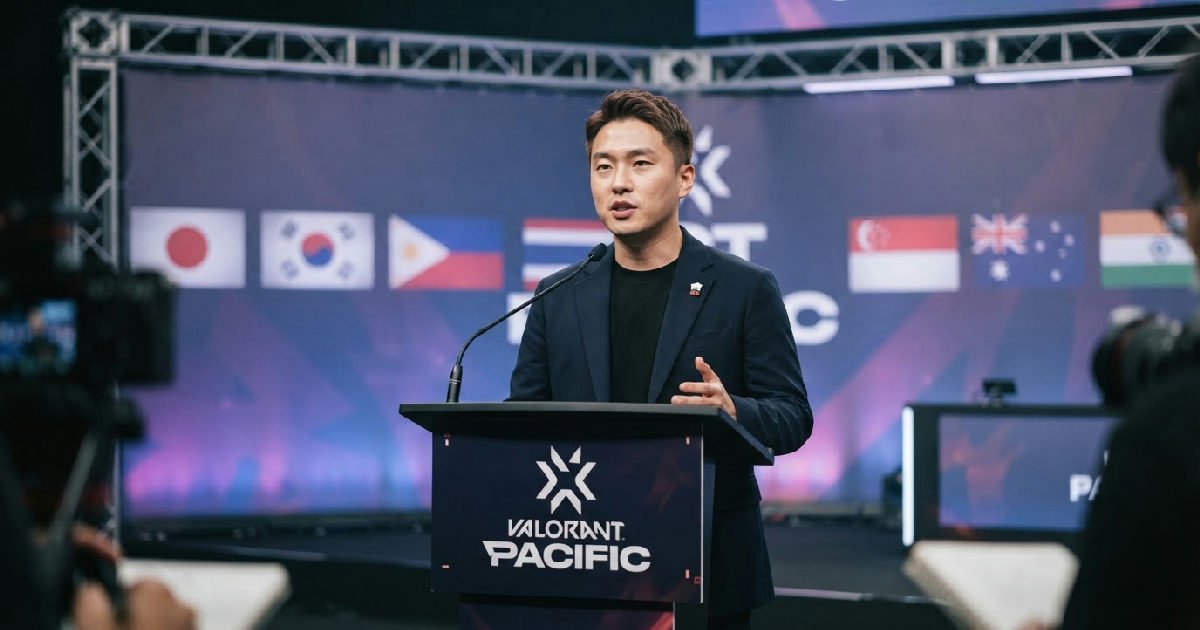
Riot Games vows to address inclusivity concerns and rebalance the VALORANT Champions Tour (VCT) Pacific league after acknowledging a perceived “unintentional imbalance” in 2026. Jake Sin, the Head of VCT Pacific, has publicly acknowledged this issue, confirming what many teams and fans have voiced throughout 2026. Riot Games vows to address these concerns and rebalance the league.
This admission from Riot Games signals a critical juncture for the league, which many observers feel has increasingly become an extension of South Korea’s dominant VALORANT ecosystem rather than a true representation of all participating territories, including Japan, Southeast Asia, and Oceania. Riot has committed to addressing this imbalance in the upcoming partnership cycle, aiming for a more equitable future.
Riot Games vows to confront regional imbalance in VCT Pacific
The very nature of VCT Pacific, encompassing multiple regions with distinct esports infrastructures, player bases, and investment levels, has made it a complex endeavor from the outset. Unlike the more homogeneous Americas or EMEA leagues, the Pacific region’s inherent diversity, while enriching, has simultaneously presented considerable challenges to ensuring genuine inclusivity.
Sin openly admitted that “we’ve admittedly created an unintentional imbalance over the last few years,” attributing this, in part, to the prioritization of operational stability during the league’s foundational period. This candid assessment arrived as players reflected on their four-year journeys in the Pacific circuit, prompting Sin to tweet his resolve for a “new era.”
His message on August 24, 2026, underscored a personal commitment: “I hope they all see this as a beginning of a new era more than an end of one.
I’m committed to creating an even more amazing ecosystem to be a part… And for those worried, rest assured that I am committed to making it more inclusive than it ever was.” This public pledge highlights the urgency and importance Riot places on rectifying the current situation.
The league’s initial structure, while stable, inadvertently fostered a tilt towards one particular nation. This created a playing field that wasn’t entirely level for all competitors, regardless of their skill. Addressing this imbalance is now a top priority for the next partnership cycle.
Growing Concerns Over Korean Dominance
A key statistic underscores the growing sentiment of a Korea-centric league: as of 2026, five of VCT Pacific’s 12 teams are Korean. This accounts for roughly 42% of the entire league roster, a significant proportion given the vast geographic and cultural spread it aims to cover. While Korean organizations have earned their spots through competitive merit, external factors have amplified their advantage.
Primary among these factors is the league’s consistent hosting in South Korea. This geographical centralization offers Korean teams a distinct edge in terms of familiar infrastructure, broadcast environments, and overall competitive culture. Non-Korean teams, by contrast, often face additional logistical hurdles and cultural adjustments, which can detract from their primary focus on competition.
Concerns have also surfaced regarding competitive integrity, contributing to the perception of an uneven playing field. Notable VCT Pacific members, including Maksim “Jemkin” Batorov and Hector “FrosT” Rosario, previously raised allegations of special treatment for South Korean teams during the 2026 Kickoff event. These incidents reportedly included T1 players smoking in restricted areas and Gen.G’s Lakia improperly wearing his headset.
Riot Games confirmed these allegations after an internal investigation, leading to written warnings for multiple players and teams, though no harsher punishments were issued. This perceived leniency further fueled suspicions that the playing field wasn’t entirely fair. Such incidents, even if minor, erode trust among competitors and raise questions about the consistent application of rules.
The cumulative effect of these factors goes beyond competitive statistics; it impacts the morale and longevity of teams from other regions. When a league is perceived to favor one national group, it makes it harder for others to thrive, attract investment, and develop local talent.
The competitive spirit relies heavily on the belief that everyone has an equal shot, and these incidents undermine that fundamental principle.
Strategic Shifts to Foster Broader Inclusion
Riot Games has started implementing strategic shifts and conducting “experiments” to address this perceived imbalance. For instance, the 2025 Stage 1 Finals were held in Japan, followed by the 2026 Stage 1 Finals in Vietnam. These decisions reflect a conscious effort to decentralize events and engage diverse fanbases outside South Korea.
However, the subsequent choice of Busan for the 2026 Stage 2 Finals highlighted the persistent challenge of fully diversifying event locations. Many in the community hope that Riot will consistently host VCT Pacific events outside South Korea more frequently from next year onwards, leveraging the vibrant energy seen from fanbases in regions like Japan and Vietnam.
Beyond geographical dispersion, Riot is also exploring internal adjustments. This includes ensuring a more balanced mix of Korean and non-Korean staff who collectively speak multiple languages. Such a change aims to improve communication clarity and enhance transparency in decision-making, particularly when competitive disputes or integrity issues arise.
Looking towards the 2027 VCT season, significant changes are anticipated for the selection of partnered teams. Jake Sin revealed to Esports Insider that “fandom” will be a major criterion in deciding which organizations secure partnership slots. This shift aims to reward teams with strong regional support, potentially diversifying the league’s roster beyond purely performance-based metrics.
Furthermore, Riot is committed to making the overall VCT circuit more accessible. The upcoming season will introduce Open Qualifiers and directly invite all partnered organizations to Kickoff events, with the notable exception of China. These measures aim to reduce the gap between Tier 1 and Tier 2 play, offering more pathways for emerging talent and teams from all regions to compete at the highest level.
While these steps are encouraging, the true test lies in their sustained implementation. Riot’s efforts to decentralize events and diversify staffing could significantly improve the league’s player experience challenges and foster a more welcoming environment for all. It’s a long road, but the commitment to change is now clear.
The Road Ahead for VCT Pacific’s Ecosystem
The acknowledged imbalance within VCT Pacific has far-reaching consequences beyond competitive standings. For teams representing regions outside South Korea, navigating logistics, attracting new talent, and securing crucial investment become considerably harder. Fans in these diverse countries often feel disconnected, especially when attending major matches necessitates extensive travel to South Korea.
Crucially, the incidents surrounding competitive integrity have also impacted trust between teams and league officials. Rebuilding this trust is paramount for the long-term health and growth of the VCT Pacific ecosystem. A transparent and consistently fair competitive environment is foundational for any major esports league, especially one spanning so many different cultures and expectations.
Riot Games’ goal isn’t necessarily to enforce equal regional representation across all VCT levels. Instead, the focus should be on cultivating a Pacific ecosystem robust enough to consistently challenge South Korea’s current dominance. This means fostering environments where teams from Japan, Southeast Asia, Oceania, and South Asia can develop, thrive, and ultimately contend for international titles.
The introduction of Open Qualifiers and a greater emphasis on regional fandom in team selection are positive steps. These measures can inject fresh blood and diverse perspectives into the league, ensuring that the next generation of VALORANT stars reflects the entire Pacific region. It’s about building pathways, not just opening doors.
The challenge of making VCT Pacific genuinely inclusive extends beyond game mechanics or prize pools; it touches upon cultural understanding, logistical fairness, and the perception of equity. Riot’s stated commitment provides a framework, but the execution will determine whether the league can evolve into the truly diverse and balanced competitive arena it was intended to be, ultimately restoring addressing ecosystem challenges and trust.
As the league moves into its next partnership cycle, all eyes will be on how Riot Games translates its promises into tangible action. The stated changes and experiments suggest an understanding of the problem.
However, the real work lies in demonstrating that this pathway to inclusivity is more than just words, offering a truly level playing field for all regional aspirants and ensuring navigating competitive integrity concerns successfully.