

Passion UA collapse leaves players owed up to $600,000
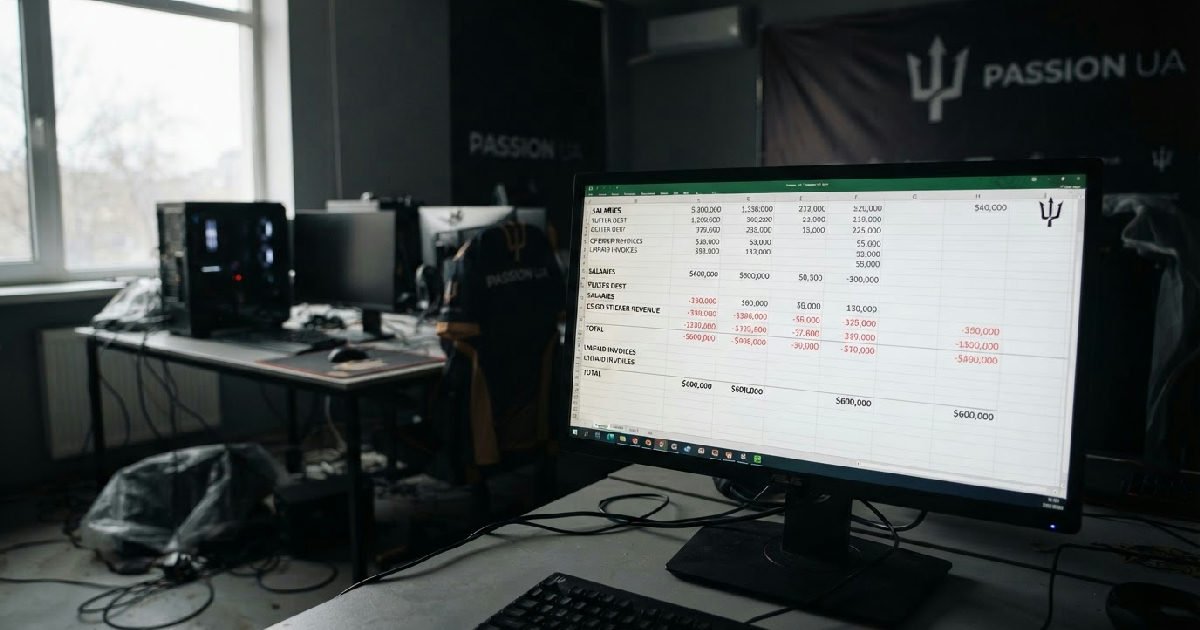
Reports surrounding the sudden Passion UA collapse indicate that the Ukrainian esports organization co-founded by footballer Oleksandr Zinchenko owes its former Counter-Strike players between $500,000 and $600,000. On August 17, 2026, details emerged showing that much of this outstanding debt stems from unpaid digital sticker sales. The team co-founded by Zinchenko and CEO Artemijs Rjabovs is now facing complete structural liquidation.
The organization officially disbanded on July 22, 2026, following months of intense internal turbulence. Affected players include Michael “Grim” Wince, Santino “try” Rigal, Johnny “JT” Theodosiou, Håkon “hallzerk” Fjærli, Nick “nicx” Lee, and Azbayar “Senzu” Munkhbold. This sudden downfall mirrors the lack of crypto market stability seen across other speculative digital assets.
Understanding the Passion UA collapse and missing funds
Sources close to the roster indicate that the players have little hope of ever recovering their missing funds. The missing payouts highlight systemic vulnerabilities within the professional Counter-Strike ecosystem. The situation has quickly escalated into one of the most severe financial disputes in recent esports history.
The core financial dispute centers on sticker money generated during the StarLadder Budapest Major. Valve distributes this revenue directly to participating teams, expecting them to distribute the agreed share to players. As a Stage 2 competitor, the team earned approximately $618,000 from these digital items.
But the players never received their designated shares of the earnings. Passion UA CEO Artemijs Rjabovs reportedly claimed to the squad that Valve had delayed sending the payments. The roster later discovered this excuse was completely false, as Valve had already disbursed the funds.
“I think we’ve all pretty much made peace with the fact that the odds of us seeing any of the money are close to zero,” one unnamed source admitted. This resignation reflects a growing sense of helplessness among the affected competitors. They now face the reality of losing hundreds of thousands of dollars.
Withheld StarLadder Budapest Major sticker revenue
The withheld major revenues have severely damaged player trust in the organization’s executive leadership. While Valve designed the sticker program to support professional players directly, the current system relies heavily on organizational honesty. Without strict developer oversight, teams can easily redirect these vital digital windfalls to cover other operating debts.
Unpaid transfer fees fuel growing esports debt
Financial mismanagement at the organization extended far beyond player salaries and digital item sales. Passion UA repeatedly failed to fulfill its buyout obligations when acquiring new competitive talent. This lack of capital created a massive ripple effect that disrupted deals with several prominent international esports brands.
This collapse highlights a broader contraction in tech and gaming investments over the past year. While some mainstream platforms maintain market confidence despite analyst AI concerns, independent gaming startups face intense scrutiny. When cash flow stops, these highly leveraged organizations quickly head toward liquidation.
The core roster originally transferred from Complexity to Passion UA in August 2025. Just six months later, the Ukrainian organization had still not paid the full agreed-upon amount for the transfer. This outstanding balance created immediate tension between the two clubs and stalled future roster moves.
How the Michael Grim Wince transfer was rescued
The situation escalated when Passion UA attempted to transfer Michael “Grim” Wince to North American organization NRG. Complexity stepped in and prepared to block the transfer. They refused to clear the transaction until they received their original payment for the core roster transfer.
To resolve the standoff, NRG reportedly agreed to pay a portion of the transfer fee directly to Complexity. This unusual financial workaround bypassed Passion UA entirely to ensure the original debt was partially settled. It allowed Michael “Grim” Wince to escape the collapsing team and continue his career.
Imperial terminates contract for Santino try Rigal
Similar buyout failures plagued the organization’s deal with Brazilian club Imperial. Passion UA had acquired Argentinian AWPer Santino “try” Rigal, but failed to fully compensate his former organization. As a result, Imperial moved to terminate the purchase and sale contract entirely.
Imperial subsequently reclaimed the player after Passion UA missed multiple critical payment deadlines. These compounding transfer failures severely damaged the Ukrainian organization’s reputation behind the scenes. Other professional teams quickly realized that the startup lacked the basic liquidity required to operate.
Oleksandr Zinchenko distances himself from operations
The organization originally launched on August 20, 2023, with substantial public backing from Oleksandr Zinchenko. The Arsenal footballer served as the main public figurehead. Just as rumors of a Kingdom Hearts anime build hype for virtual franchises, celebrity endorsements are crucial for building new esports brands.
However, the prominent founder cut ties with the organization in June 2026. He subsequently sought to downplay his operational role, claiming his involvement was purely promotional. “From the very beginning, my role was solely to serve as the public face of the brand,” Zinchenko told HLTV.
Players have strongly disputed this defense of his involvement. Sources close to the team state that the roster had direct access to both Zinchenko and the CEO whenever problems arose. This contradiction leaves unresolved questions about who held ultimate financial control over the team’s accounts.
Operational red flags preceded the organization’s collapse
The eventual liquidation did not happen overnight, as players noticed severe operational failures months prior to the collapse. Late salary payments became a major issue before the StarLadder Budapest Major. These delays caused significant frustration and raised immediate alarms about the organization’s financial health.
Travel logistics also suffered due to the ongoing cash-flow shortages. Team management routinely failed to pay for hotel bookings in advance, leaving players in uncertain situations. Flights were regularly booked at the last minute, adding unnecessary stress to the roster during major competitive campaigns.
The public side of the organization fell silent shortly after Oleksandr Zinchenko departed. The official social media accounts have not posted anything since June 23, 2026. Additionally, the team’s official YouTube channel was pulled offline without any public explanation or statement.
Uncertain future for the disbanded Counter-Strike roster
The displaced players now face an uphill battle to recover their outstanding earnings. Without a centralized players’ union in Counter-Strike, pursuing legal action across international borders presents a logistical nightmare. The chances of recovering the missing sticker money remain incredibly slim.
Artemijs Rjabovs remains at the center of the financial fallout. The CEO’s handling of the Valve sticker payments and team acquisitions will likely face ongoing scrutiny from the esports community. Meanwhile, the former players are actively searching for new organizations to represent.
The collapse of Passion UA serves as a cautionary tale for the competitive gaming industry. High-profile celebrity backing cannot replace sustainable business models and transparent financial operations. Until the scene establishes stronger safeguards, players will remain vulnerable to sudden organizational failures.