

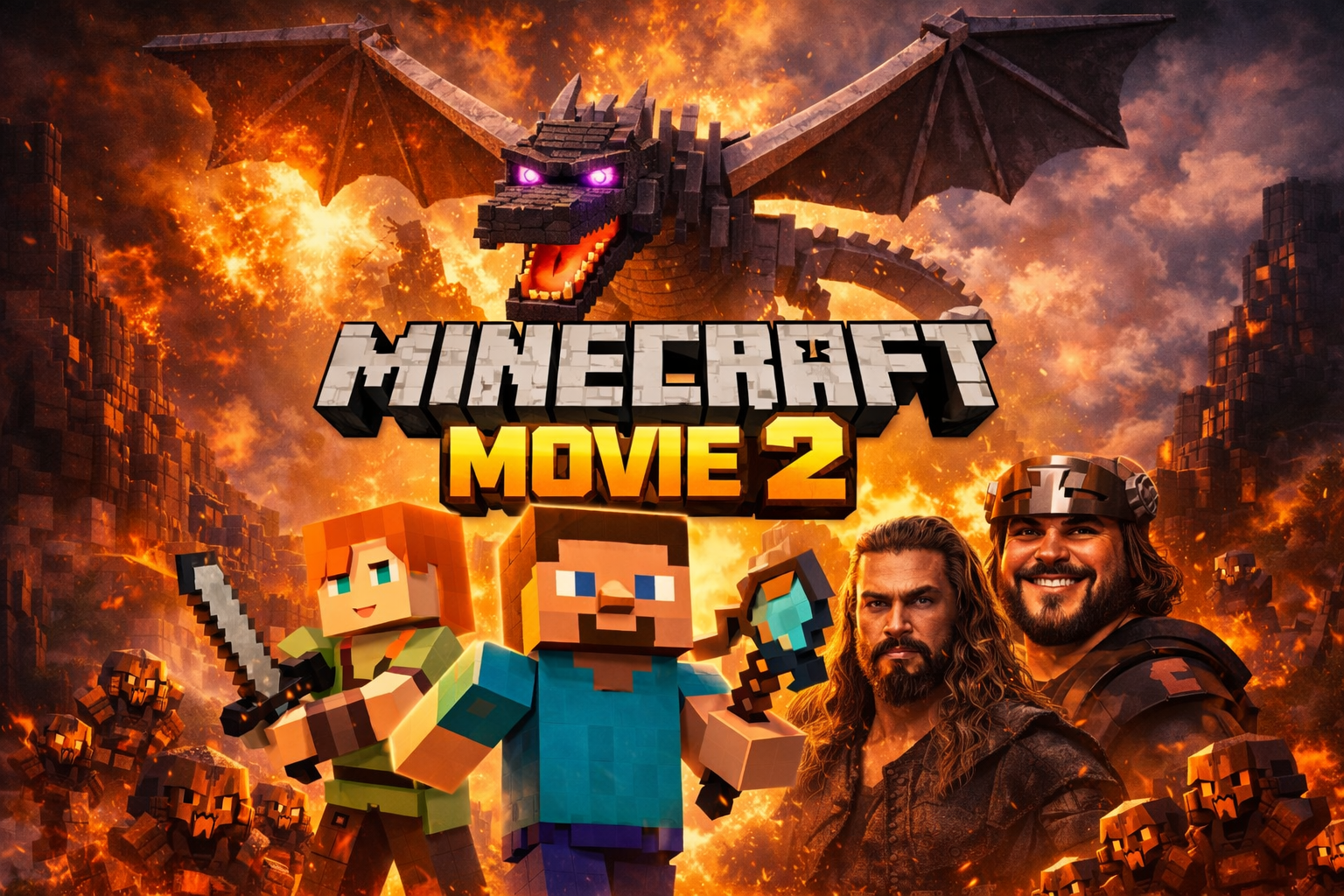
Minecraft Movie 2 Is Already Building Pressure — And Fans Want One Monster Above All
Anticipation around Minecraft Movie 2 is growing faster than expected, and it isn’t just because a sequel is coming. What’s driving the conversation is a single question dominating fan communities, gaming forums, and movie industry chatter alike — which iconic villain will take center stage next?
The first film established a large cinematic playground, but the sequel now faces a different challenge: meeting expectations shaped directly by the fanbase itself. And if early hints are any indication, the creative team is listening carefully.
The Sequel Is Being Shaped by Audience Demand
When a franchise crosses into blockbuster territory, audience feedback often becomes part of the creative process. That appears to be happening here.
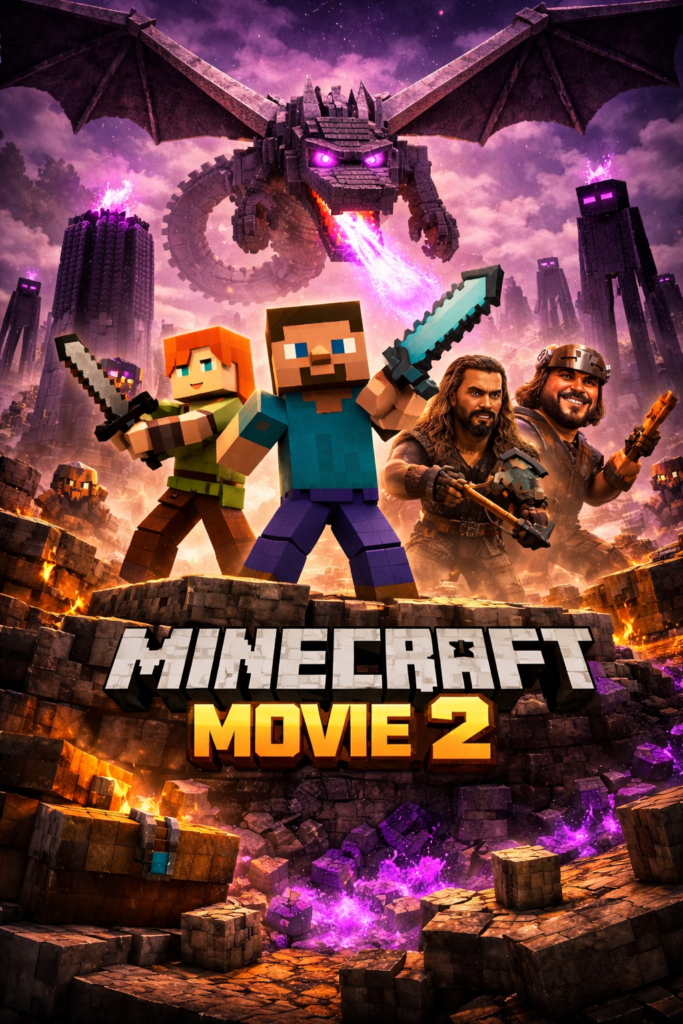
Producers have indicated that one particular character keeps appearing in fan requests for the follow-up film. It’s not a minor creature or background threat. It’s one of the most recognizable forces in the entire Minecraft universe — a symbol of ultimate danger and scale.
That level of demand matters. Studios rarely ignore sustained fan pressure when expanding a successful property, especially when a new antagonist could elevate both spectacle and narrative stakes.
The first film focused heavily on survival, exploration, and large-scale conflict. The sequel, however, is expected to raise intensity rather than repeat the same formula. A more powerful villain would naturally push the story toward higher emotional and visual impact.
Expanding the Character Landscape
Beyond potential new antagonists, another major discussion centers on character expansion. The Minecraft world offers enormous flexibility, and the sequel appears ready to explore it.
One figure drawing attention is a familiar counterpart to the original protagonist — a character long embedded in the game’s identity. Introducing new central personalities would not just diversify the narrative but also reflect how players experience the Minecraft universe: through multiple perspectives rather than a single hero.
The post-credits setup from the first film already hinted that future storytelling would widen the scope. Sequels often use this approach to evolve from a survival narrative into a fully interconnected world.
That shift can change pacing, tone, and emotional dynamics — especially if characters bring contrasting motivations or skills.
The Story Direction Remains Closely Guarded
Despite growing speculation, concrete plot details remain tightly controlled. That silence is typical for large franchise projects, particularly when the production timeline stretches years ahead of release.
However, comments from returning cast members suggest the script leans strongly toward humor and large-scale adventure. If true, the sequel may emphasize character chemistry and high-energy storytelling rather than purely visual spectacle.
That balance is important. Game adaptations succeed when they capture both atmosphere and personality, not just recognizable elements.
Why the Sequel Was Never in Doubt
Financial performance made continuation almost inevitable.
The first film achieved major global success, proving that a sandbox game with minimal narrative structure could translate into a cinematic universe. That result opened the door for long-term expansion, not just a single follow-up installment.
When a property demonstrates global box office strength and cross-generational appeal, studios tend to invest heavily in franchise building rather than standalone storytelling. The Minecraft brand offers nearly unlimited world-building potential, making it uniquely suited for serialized film development.
Returning Creative Leadership Signals Continuity
Another factor reinforcing confidence in the sequel is the return of the original director and creative team. Consistency behind the camera often shapes how audiences perceive tone, pacing, and humor across multiple installments.
When directors remain involved, sequels are more likely to feel like natural extensions of the same universe rather than tonal resets.
That continuity matters particularly for game adaptations, where visual style and world logic must remain stable to maintain immersion.
Why the Minecraft Universe Is Built for Long-Term Expansion
Few gaming properties offer storytelling flexibility equal to Minecraft. The environment itself functions as a narrative engine, allowing nearly endless variation in threats, locations, and character interactions.
This gives filmmakers a rare advantage: they are not constrained by a fixed storyline. Instead, they can introduce new conflicts while maintaining the recognizable visual identity fans expect.
That adaptability explains why discussions about future installments began almost immediately after the first film’s release.
The Real Challenge Facing the Sequel
Raising expectations creates pressure.
A second film must accomplish more than repeat the original formula. It must deliver escalation — in scale, emotional investment, and narrative ambition.
Introducing a more formidable villain is one way to accomplish that. Expanding character relationships is another. Deepening world mythology could be equally important.
The success of the sequel may ultimately depend on how effectively it combines all three.
A Release Window That Sets Up Major Competition
The confirmed release date places the sequel within a crowded period for video-game-inspired cinema. That timing could intensify competition for audience attention, but it also signals confidence from the studio.
Major franchises tend to position releases strategically, and placing the film alongside other high-profile adaptations suggests expectations of strong global performance.
Why Fan Expectations Will Define the Conversation
More than any official announcement, fan speculation is shaping the narrative around this sequel. Online discussion is not simply reacting to studio marketing — it’s actively influencing what viewers hope to see.
That dynamic has become common in modern franchise filmmaking. Audience engagement no longer ends when a film leaves theaters. It continues across years of development, creating a feedback loop between creators and viewers.
Minecraft Movie 2 is already experiencing that cycle.
The Momentum Is Only Beginning
With production still unfolding and story details mostly hidden, anticipation continues to build. Each hint, casting update, or creative comment adds another layer to speculation.
If the sequel successfully delivers the scale and intensity fans are requesting, it could push the franchise into long-term cinematic territory.
And if the most requested villain truly appears, the next chapter may feel less like a continuation — and more like a full escalation.