

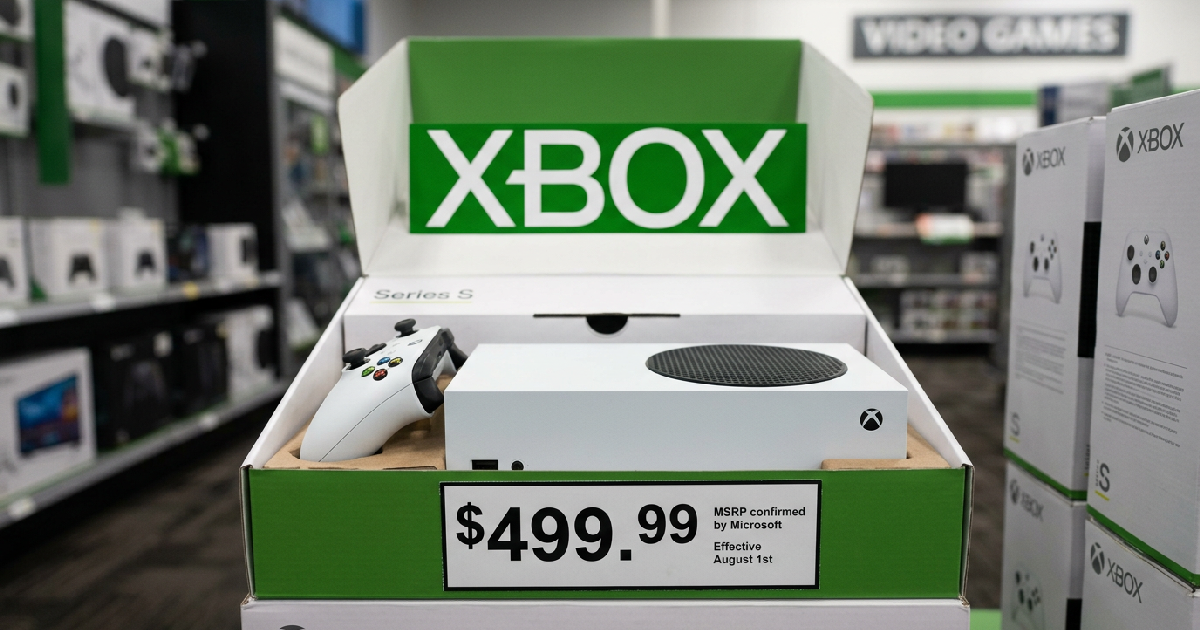
Microsoft confirms Xbox Series S will rise $100 to $499.99 on August 1
Microsoft has officially confirmed a significant price increase for its Xbox Series X/S consoles, effective August 1, 2026, as high manufacturing costs continue to squeeze the gaming sector. The company cited a 2.5 times increase in the price of memory and storage components as the primary driver behind the move, marking the third such price hike for the hardware in just over a year.
The adjustments will see the entry-level Xbox Series S 512GB model rise by $100 to a new price of $499.99, while the 1TB versions of both the Series S and Series X will jump by $150. Alongside these price shifts, Microsoft confirmed it is “sunsetting” the high-capacity Xbox Series X 2TB Galaxy Black model.
Rising component costs drive up Xbox retail prices
This hardware recalibration arrives as the tech giant reportedly prepares for major layoffs across its gaming division, which are expected to be finalized after the fiscal year ends on June 30.
The decision to raise prices stems from what Microsoft describes as a “components crisis” affecting the entire consumer electronics industry. In a post on Xbox Wire, the company explained that it had spent several months working with suppliers on options to avoid another increase.
However, the surge in demand for memory chips within the AI sector has significantly impacted the availability and cost of parts needed for gaming hardware.
Key details
Memory and storage prices have already risen by more than 250%, and Microsoft internal projections suggest these costs could double again by the fall of 2027. This financial pressure is particularly acute for the console market.
While devices like smartphones and computers are often sold at a profit, game consoles are typically sold for less than they cost to manufacture, with companies relying on software and services to recover the loss.
This market volatility is not unique to Microsoft. Earlier this year, Sony Interactive Entertainment announced significant increases for its hardware, including the PlayStation 5 and the $900 PS5 Pro. Nintendo has also signaled a price shift, with the Switch 2 set to increase by €30 in Europe this September.
These moves reflect a broader industry trend where hardware manufacturers are struggling to maintain traditional pricing models against an “AI arms race” for global RAM supply.
Detailed breakdown of the updated Xbox pricing structure
Starting August 1, the new pricing will take effect across the entire current-generation lineup. The Xbox Series S 1TB model will move from $449.99 to $599.99. Meanwhile, the digital-only Xbox Series X 1TB will rise to $749.99, and the standard Xbox Series X 1TB with a disc drive will now retail for $799.99.
These figures represent the highest MSRPs for the hardware since the generation began in 2020.
The discontinuation of the 2TB Galaxy Black model leaves the 1TB Series X as the highest-capacity option remaining in the standard lineup. This shift occurs at a time when game file sizes are increasing.
Key details
While Microsoft previously raised prices by $20-$70 in October 2025, the scale of this latest increase suggests that the company can no longer bridge the gap between production costs and retail revenue through subsidies alone.
Key details
The hardware business is currently undergoing a “reset” under Microsoft’s broader gaming strategy. Over the last five years, the company has spent over $20 billion on content and platform subsidies, yet annual revenue has declined by nearly $500 million.
This financial reality, combined with the rising cost of parts, has made the previous subsidy-heavy model difficult to sustain. The upcoming layoffs are expected to affect roles as diverse as environmental artists and dialogue designers at studios such as Compulsion Games.
As the industry moves toward 2027, the success of the Xbox brand likely depends on its ability to leverage its software library. Titles like those from the recently acquired Activision Blizzard King are now central to justifying the increased cost of the hardware.
If console prices continue to climb alongside memory costs, the industry may see a permanent shift in how gaming hardware is positioned—from a mass-market toy to a higher-priced consumer electronics investment.