

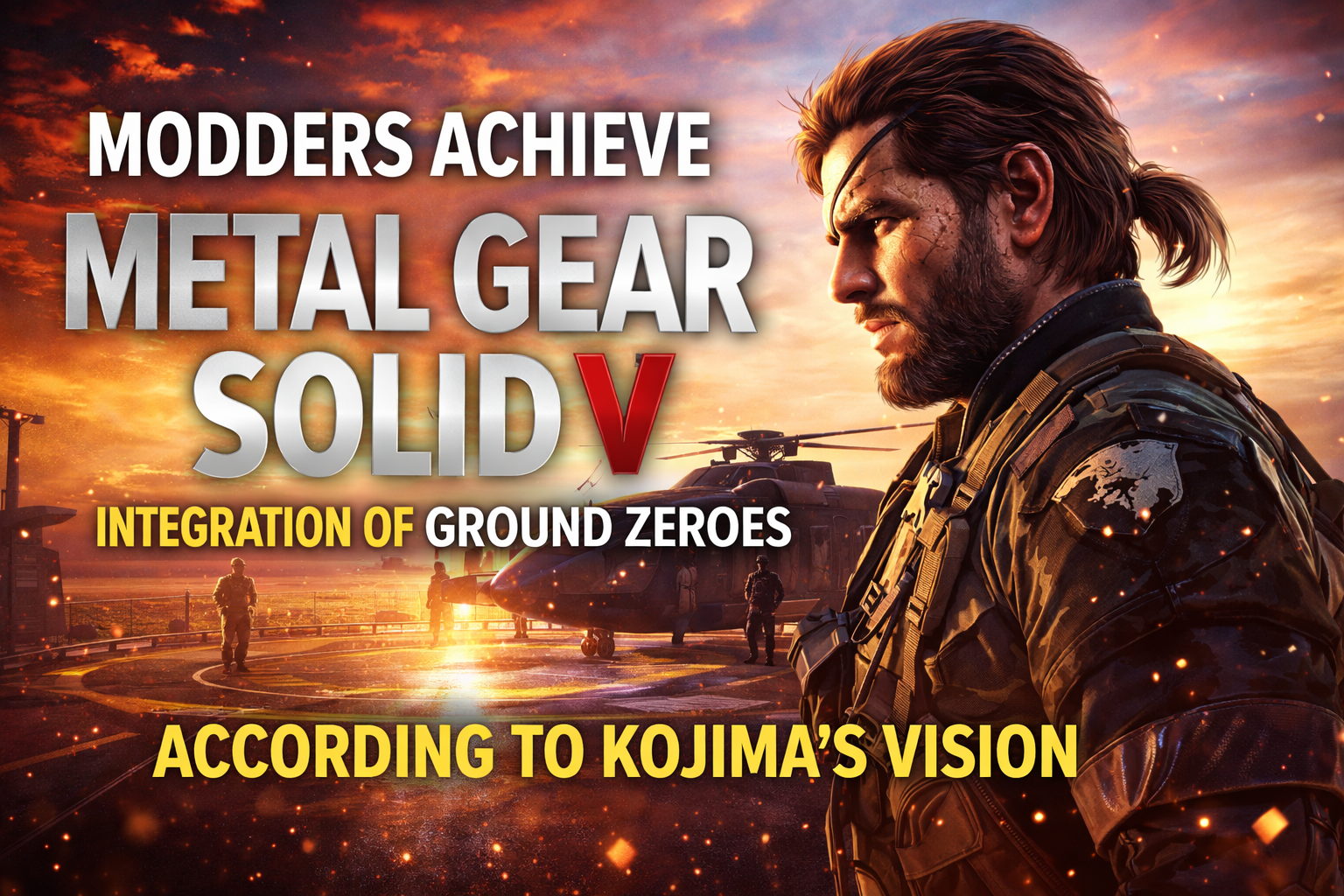
Metal Gear Solid 5 Mod Integrates Ground Zeroes
More than a decade after Metal Gear Solid 5 fractured into two releases, modders have stitched it back together. A newly released PC mod now integrates Ground Zeroes directly into The Phantom Pain, allowing players to experience the prologue mission within the main game — a structure series creator Hideo Kojima originally intended before development realities split the titles apart.
For longtime fans, the project feels less like a novelty and more like a historical correction.
Restoring a Divided Narrative
When Ground Zeroes launched in 2014, it arrived as a standalone release positioned between console generations. Kojima later clarified that the mission was originally conceived as the opening chapter of The Phantom Pain. Instead, players purchased two separate products — one a short, focused infiltration experience; the other a sprawling open-world epic.
The new integration mod, developed by RLC and distributed via NexusMods by CapLagRobin, merges the two into a continuous structure. After completing Episode 1: Phantom Limbs in The Phantom Pain, players can transition directly into the Ground Zeroes mission through the in-game iDroid system. Optional settings allow manual control over that shift.
The result reframes Ground Zeroes not as a detached prelude, but as a foundational narrative anchor that bridges Peace Walker and the larger MGSV arc.
Technical Integration Beyond a Simple Import
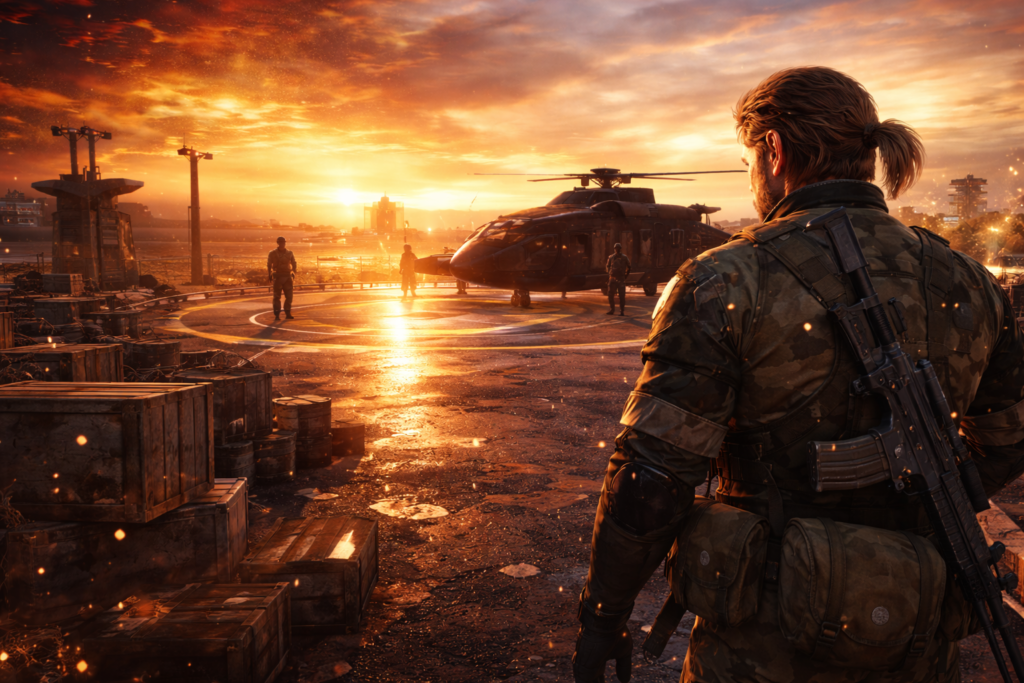
This is not merely a mission selector shortcut. The mod embeds Camp Omega — the map from Ground Zeroes — into The Phantom Pain’s free-roam framework.
Players can explore the base using MGSV’s mechanics, including Fulton extractions and side operations. In effect, Camp Omega becomes another playable sandbox zone within the broader open-world ecosystem.
The modder acknowledges lingering issues and unfinished features. Full systemic parity with Kojima’s unrealized blueprint remains speculative. Yet functionally, the integration marks one of the most ambitious fan-driven expansions of MGSV since launch.
Importantly, the mod requires legitimate ownership of Ground Zeroes, reinforcing that it extends rather than replaces official content.
A Community Revisits Kojima’s Intent
Metal Gear Solid 5 remains one of the most dissected games of the last decade. Its production was overshadowed by Kojima’s departure from Konami, and its final structure sparked debate over cut content and narrative fragmentation.
By reinserting Ground Zeroes into The Phantom Pain’s mission flow, the mod effectively reshapes pacing and thematic buildup. The emotional weight of the Mother Base attack, originally experienced in isolation, now sits within the broader character arc of Venom Snake.
Game preservation advocates view projects like this as more than fan experimentation. They represent a form of archival reconstruction — an attempt to approximate development intent when official revisions never materialize.
The Broader Modding Pattern
The MGSV integration follows a pattern seen across major franchises. Modders have reintroduced tank controls into modern Resident Evil remakes, restored co-op features in legacy titles, and unlocked inaccessible content long abandoned by publishers.
In many cases, community-driven efforts extend a game’s lifespan beyond its commercial peak. Metal Gear Solid 5, first released in 2015, continues to attract technical innovation through fan initiatives.
As publishers increasingly monetize remasters and legacy collections, modding communities operate in parallel — sometimes achieving reinterpretations without formal endorsement.
Why This Matters in 2026
With Konami revisiting the Metal Gear brand through remakes and Master Collections, fan projects that revisit unresolved design decisions gain renewed attention. The integration of Ground Zeroes underscores how unfinished creative intent can linger in player memory long after release cycles end.
There is no official confirmation that Konami plans to unify the two titles in a future edition. Until then, the mod stands as the closest playable approximation of Kojima’s earlier structural vision.
For a series built on espionage, reconstruction, and hidden layers, it is fitting that the definitive version may arrive through quiet community work rather than corporate announcement.
Source: GamesRadar reporting by Jordan Gerblick; NexusMods release notes by RLC and CapLagRobin.