

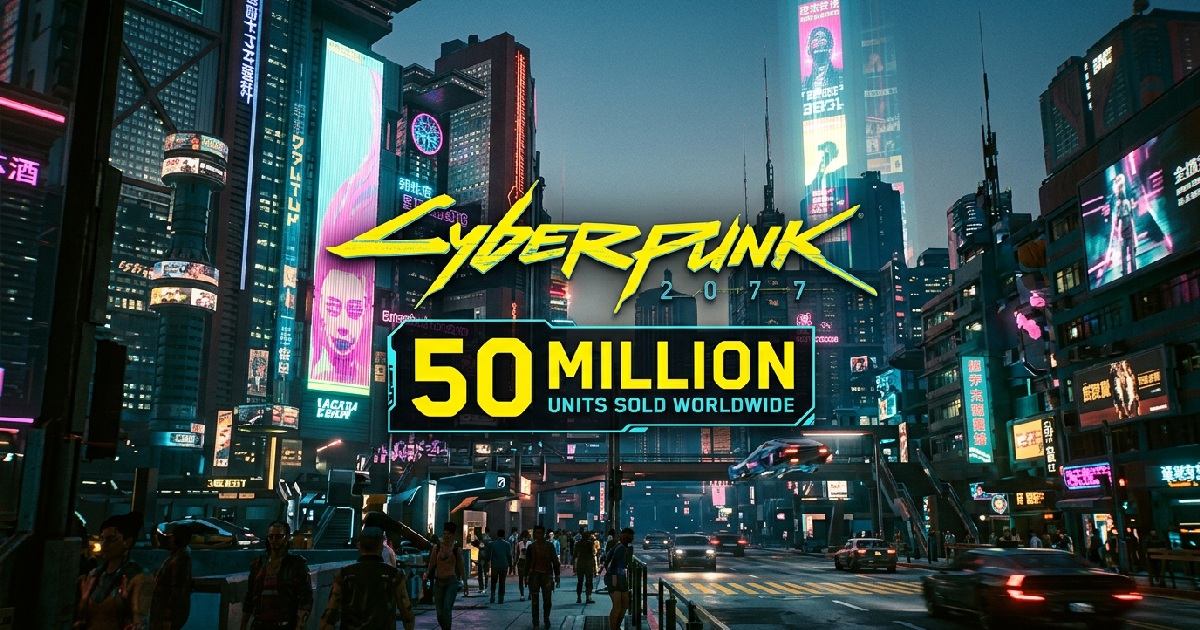
Cyberpunk 2077 sales reportedly reach major milestone after comeback
CD Projekt Red’s ambitious sci-fi role-playing game, Cyberpunk 2077, has reportedly achieved a substantial sales milestone worldwide. This significant development underscores a powerful comeback for the title after its notably challenging initial launch period.
The game’s improved reputation stems from years of dedicated post-launch support and a transformative expansion. These efforts reshaped the player experience, reportedly attracting new fans and re-engaging many original buyers, solidifying its place in the gaming pantheon.
From troubled launch to commercial triumph
Reaching a major sales milestone firmly places Cyberpunk 2077 among the video game industry’s most commercially successful titles. It’s a testament to the enduring appeal of Night City, its dystopian future setting, and the game’s deeply immersive core gameplay loop.
Initially, the game faced widespread criticism and technical issues upon its release in late 2020. Players reported numerous bugs and performance problems, particularly on last-generation consoles. This led to a significant backlash and impacted the game’s initial sales trajectory and critical reception.
CD Projekt Red, however, chose a long-term strategy of continuous patches, major updates, and substantial content additions. They committed significant resources to overhaul the game rather than abandoning the project after its difficult start.
This unwavering dedication was a costly but ultimately rewarding decision. It demonstrated a rare commitment to players and product quality, even in the face of immense public pressure and financial setbacks.
A comprehensive technical and content overhaul
The journey to recovery for Cyberpunk 2077 was multifaceted, focusing heavily on technical stability and content enrichment. CD Projekt Red systematically addressed performance issues, optimized graphics, and ironed out countless bugs across all platforms.
Critically, the 2.0 update notably revised core game systems, significantly enhancing the overall gameplay experience. Combat mechanics reportedly received a major revamp, making engagements more fluid and dynamic and offering new tactical options.
The perk system was completely redesigned, offering players more meaningful choices for character progression and specialization. This allowed for greater build diversity and encouraged multiple playthroughs. Furthermore, Cyberware also saw significant changes, allowing for greater customization and strategic depth in player abilities.
This extensive update, alongside the narrative-rich Phantom Liberty expansion, sparked a substantial surge in player engagement. Many gamers who had initially dismissed the title returned to Night City, finding a much more polished and enjoyable experience than before.
The expansion itself brought new areas, characters, and storylines to the game, adding hours of compelling content. It seamlessly integrated into the existing world, enriching the lore and providing a more complete vision of the Cyberpunk universe. Developers are increasingly aware of the need for ongoing support and robust updates, a trend evident in titles like Star Fox day one updates on Switch 2, which are expected to expand gameplay post-launch.
Rebuilding player trust and critical acclaim
The turnaround wasn’t just about fixing bugs; it was about meticulously rebuilding trust with a disappointed player base. Transparent communication from CD Projekt Red, including regular development updates and acknowledgements of past shortcomings, played a crucial role.
Media coverage of Phantom Liberty was overwhelmingly positive, helping to shift public perception dramatically. Reviewers lauded the expansion as a masterful addition, highlighting its compelling story, refined mechanics, and strong performances.
This critical praise solidified Cyberpunk 2077‘s place as a complex, rich RPG that finally delivered on its ambitious pre-release promises. The game’s user scores and critical aggregates reportedly saw significant improvements, reflecting a widespread change in sentiment.
Many players, having seen the commitment of the developers, became advocates for the game. They shared their positive experiences, further amplifying the game’s renewed reputation through word-of-mouth and online communities.
Broader industry implications for post-launch support
Cyberpunk 2077’s long road to redemption offers crucial lessons for the wider video game industry. It underscores the vital importance of transparent communication with players, especially when grappling with significant development challenges at launch.
The success story also highlights the immense value of sustained developer commitment beyond the initial release date. In an era where many games receive limited post-release support or are abandoned, CD Projekt Red’s dedication stands out as a powerful case study.
Their unwavering resolve to overhaul Cyberpunk 2077 reportedly transformed a commercial and critical disappointment into a long-term triumph. This commitment contrasts sharply with other industry players who have faced different challenges, such as Bobby Kotick’s claims regarding lawsuits against the Activision-Microsoft deal, which highlight the complex business landscape of gaming.
This protracted turnaround demonstrates that player trust, once severely damaged, can be painstakingly rebuilt. It requires consistent effort, tangible improvements, and a genuine willingness to listen to community feedback and act upon it decisively.
The experience sets a high bar for post-launch quality in the AAA space. It shows what’s possible with sufficient resources and determination, even after a catastrophic initial release, proving that a long-term vision can overcome short-term failures.
The enduring appeal of Night City
Night City itself, with its sprawling verticality, diverse districts, and intricate lore, has always been a major draw. The game’s distinctive aesthetic and deep world-building allowed it to retain a core appeal even during its troubled early days.
Players are drawn to its gritty atmosphere, the compelling moral choices, and the unique blend of high-tech and low-life themes. The rich cast of characters, including Johnny Silverhand, resonated deeply with audiences, adding emotional weight to the narrative.
This strong foundation of world and character design proved resilient. It provided a compelling reason for players to return once the underlying technical issues were resolved and the gameplay experience refined.
The game’s distinct artistic vision and mature storytelling set it apart in the crowded RPG market. It cultivated a dedicated fanbase eager to explore every corner and uncover every secret Night City had to offer.
The future of the Cyberpunk universe
With Cyberpunk 2077 now firmly established as a commercial success, attention naturally shifts to the future of the franchise. CD Projekt Red has reportedly discussed plans for a sequel, said to be codenamed “Project Orion.”
This next instalment is reportedly set for development by a newly established studio in North America, signaling a fresh approach to the acclaimed universe. The company has made it clear that lessons learned from the original game’s development will heavily inform future projects.
They are aiming for a smoother launch and a more stable product from day one for any subsequent titles. The enduring appeal of Night City and its complex characters suggests a bright future for the franchise, expanding beyond its current successes.
This positions the Cyberpunk universe alongside other highly anticipated releases in the competitive gaming landscape. Players are also keenly awaiting news on major titles like Grand Theft Auto 6, with its reportedly confirmed November 2026 release date, shaping a dynamic future for premium gaming experiences and ongoing innovation.
The substantial sales performance of Cyberpunk 2077 serves as a powerful reminder for the entire industry. It proves that even the most troubled game launches can be overcome with a clear vision, sustained effort, and a deep commitment to player satisfaction and continuous improvement.