

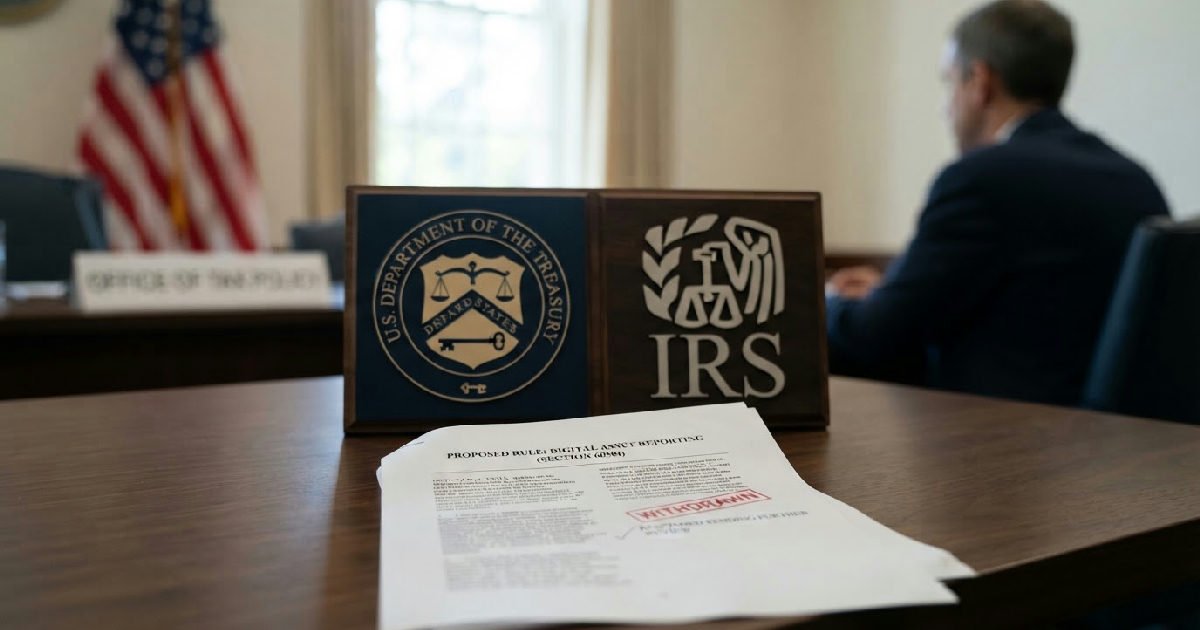
us treasury irs withdraw crypto reporting rule
The U.S. Treasury Department and IRS withdrew a contentious crypto reporting rule on December 29, 2023. S. Treasury Department and the Internal Revenue Service (IRS) officially withdrew a contentious crypto reporting rule on December 29, 2023. This proposal would have compelled brokers to report digital asset transactions exceeding $10,000, specifically targeting transfers to private, self-hosted crypto wallets.
This significant reversal came after extensive deliberation, with regulators acknowledging the need for further consideration of public feedback. The move also aims to coordinate with the upcoming comprehensive digital asset reporting rules mandated by the Infrastructure Investment and Jobs Act (IIJA).
u s treasury irs proposed rule targeted unhosted wallets
The original proposal, initially introduced in May 2023, sought to extend existing cash reporting requirements under Section 6050I of the tax code to the nascent digital asset sector. It aimed to bring greater transparency to transactions within the crypto space.
Specifically, the rule would have obliged banks and money-service businesses, including crypto exchanges, to file detailed reports. This applied to transfers over $10,000, even if the threshold was met through aggregated transactions over a 24-hour period. Furthermore, firms would have needed to collect identifying information about both the customer and the recipient wallet.
The definition of an “unhosted wallet” or “self-controlled wallet” was central to the debate. These are digital wallets where the individual maintains direct control over their private keys, rather than relying on a third-party service like a centralized exchange or bank. This level of user control was a key point of contention.
Industry Pushback and Privacy Concerns
From its inception, the proposed rule faced considerable opposition from the crypto industry and privacy advocates. Thousands of public comments flooded in, highlighting practical challenges and fundamental privacy implications.
Critics argued that applying traditional financial reporting mechanisms to the decentralized nature of cryptocurrencies was unfeasible. Identifying the recipient of a transaction to a self-hosted wallet, where only a public address is known, presented a significant hurdle for businesses.
Many in the digital asset community also voiced concerns that such extensive reporting requirements could compromise user privacy. They saw it as an overreach that could stifle innovation and adoption of blockchain technology. The sheer volume of transactions and the difficulty in retrofitting existing systems for such data collection added to industry anxieties.
FinCEN’s Dual Withdrawals
The Financial Crimes Enforcement Network (FinCEN) was at the forefront of these regulatory efforts. It formally withdrew not one, but two proposals that had cast a long shadow over the crypto ecosystem for years, though neither had ever fully come into effect.
These withdrawals signal a strategic shift in how U.S. regulators are approaching digital asset oversight. They underscore a recognition that the unique characteristics of cryptocurrency require a more tailored regulatory framework, rather than simply adapting old rules.
The 2020 Wallet Rule’s Extensive Reach
The initial wallet proposal originated in December 2020, during the twilight of the previous presidential administration. It was an ambitious attempt to extend Bank Secrecy Act requirements to digital assets, anticipating the growth of the sector.
This rule specifically aimed at transactions involving more than $10,000 in cryptocurrency. It stipulated that financial institutions report these transfers to FinCEN, particularly when they involved “unhosted wallets.” The proposal also mandated the collection of personal information from both the sender and the unknown recipient of such a wallet.
The challenge of acquiring recipient information for truly unhosted wallets proved a major sticking point for many. This particular rule remained in regulatory limbo, unresolved for nearly six years as the debate intensified within the industry.
Scrapping the Crypto Mixer Proposal
Beyond the unhosted wallet rule, FinCEN also rescinded a more recent proposal from 2023. This second rule had aimed to classify transactions involving crypto mixers as a “primary money-laundering concern.”
If enacted, this would have allowed the government to impose significantly stricter reporting requirements on financial institutions. These institutions would have been handling funds that had passed through such mixing services.
Crypto mixers are tools designed to obscure the origins and destinations of digital assets, often used to enhance privacy but also implicated in illicit activities. The withdrawal of this proposal indicates a possible re-evaluation of how to address the complexities of privacy-enhancing technologies within the anti-money laundering framework.
Aligning with the Infrastructure Act
The decision by the Treasury and IRS to withdraw these proposals wasn’t merely a concession to industry pressure. It was primarily driven by a broader strategic aim: to align future regulations with the mandates of the Infrastructure Investment and Jobs Act (IIJA).
Passed in 2021, the IIJA includes provisions for new, comprehensive reporting requirements specifically for digital asset brokers. These rules are set to become effective for transactions occurring in 2025, with the first reports anticipated in 2026. This legislative development provided a new framework for regulatory action, superseding the earlier, more piecemeal proposals.
The agencies stated that the withdrawal would allow them to integrate public feedback more effectively and develop a cohesive regulatory approach under the IIJA.
The IIJA’s framework is designed to be more holistic, addressing various facets of digital asset reporting. By stepping back from the older proposals, regulators can now focus on crafting a singular, more streamlined set of rules. This approach aims to reduce confusion and ensure consistency across the evolving crypto regulatory crypto VC funding landscape.
Broader Implications for Crypto Regulation
These withdrawals reflect a nuanced understanding from U.S. regulators that the digital asset space requires bespoke solutions, not just repurposed traditional financial rules. It signals a move towards a more considered and integrated approach to crypto policy.
The agencies explicitly linked these actions to the Trump administration’s broader deregulatory agenda. This initiative seeks to foster an environment for digital assets where rules are “fit-for-purpose,” meaning they are tailored specifically to the technology and its unique challenges, rather than imposing blanket restrictions. This could mean a more collaborative approach in the future, seeking industry input to shape effective and enforceable regulations.
While the immediate impact is a sigh of relief for advocates of self-custody and privacy, the regulatory path forward remains active. The focus now shifts firmly to the development and implementation of the IIJA’s digital asset reporting requirements. These upcoming rules will be crucial in defining the operational boundaries for brokers and other entities facilitating crypto transactions.
What Comes Next for Digital Asset Reporting?
With the previous proposals off the table, the regulatory spotlight is now entirely on the forthcoming rules under the Infrastructure Investment and Jobs Act. The Treasury and IRS are expected to finalize these comprehensive guidelines in the coming months.
The crypto industry will be closely watching for how these new rules address the complexities of digital asset ownership and transfer. Questions remain about the exact scope of “brokers” under the IIJA and how reporting obligations will apply to various participants in the decentralized finance (DeFi) ecosystem. Maintaining regulatory clarity amid crypto volatility is paramount for market stability.
This withdrawal offers a temporary reprieve but sets the stage for a new phase of regulatory development. The ultimate goal remains to create a framework that balances financial crime prevention with the promotion of innovation and individual privacy in the rapidly expanding digital asset market. It’s a delicate balance regulators must strike.