

divided congress sets crypto industry path
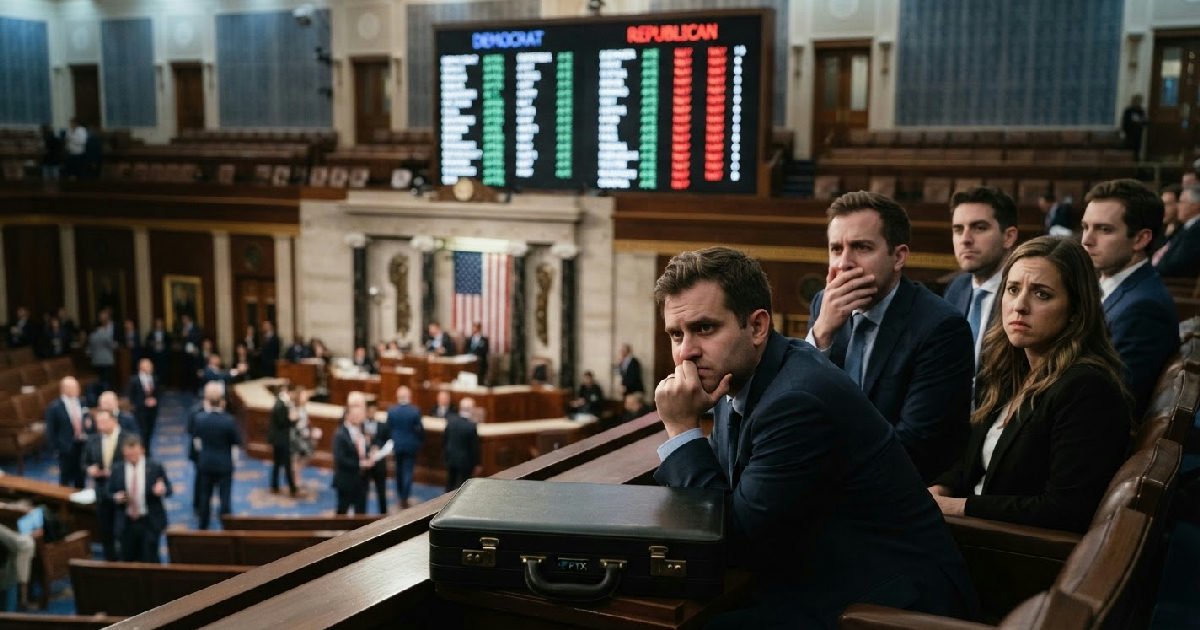
The cryptocurrency industry’s high-stakes bet on the 2022 US midterm elections has resulted in a complex and unpredictable political landscape. Defying widespread predictions of a “red wave,” the Democratic Party retained control of the Senate, while the Republican Party secured a narrow majority in the House of Representatives, leading to a divided Congress crypto industry now faces.
This divided government, confirmed in the days following the November 8, 2022 vote, scrambles the sector’s legislative ambitions and portends a period of gridlock and heightened scrutiny.
A divided Congress crypto path complicates
This new reality in Washington was immediately overshadowed by a cataclysmic event. Just days after the election, the spectacular collapse of the FTX exchange sent shockwaves through the industry and triggered a seismic shift in the regulatory conversation, turning the focus from proactive rulemaking to urgent damage control and investigation.
Heading into the midterms, many in the digital asset space had hoped for a decisive Republican victory across both chambers of Congress. The party was widely seen as more ideologically aligned with the industry’s calls for innovation-friendly policies and a lighter regulatory touch. The ongoing crypto market anxiety was palpable, with many viewing the election as a critical turning point.
But the expected Republican sweep failed to materialize. Democrats successfully defended key Senate seats, ultimately securing a 51-49 majority after Senator Raphael Warnock’s victory in the Georgia runoff election on December 6, 2022. This crucial win ensured that Democratic committee chairs, many of whom are skeptical of the crypto industry, would retain their powerful gavels and agenda-setting authority for another two years.
In the House, Republicans did manage to win back the majority, but by a much thinner margin than anticipated. They captured 222 seats to the Democrats’ 213, a slim advantage that could prove difficult to manage. The result is a divided government, a recipe for legislative stalemate where ambitious bills often struggle to find the bipartisan consensus needed to become law.
Key committee leadership remains split
The election outcome created a stark split in the leadership of the two congressional committees most vital to the cryptocurrency industry. In the Senate, Senator Sherrod Brown (D-OH), a vocal critic of digital assets and a strong advocate for consumer protection, was set to continue his chairmanship of the powerful Senate Banking Committee.
His focus has consistently been on the risks posed by crypto to the financial system.
Conversely, the Republican takeover of the House meant that Representative Patrick McHenry (R-NC) would become the chairman of the House Financial Services Committee. McHenry has been a leading voice for establishing clearer regulatory frameworks for digital assets to foster innovation in the United States. He has championed legislation aimed at providing a path for stablecoins and defining jurisdiction between regulators.
This dichotomy set the stage for a contentious two years. Any crypto-friendly legislation passed by McHenry’s committee in the House would face a formidable roadblock in Brown’s committee in the Senate, making the passage of any comprehensive market structure reform highly unlikely. The differing philosophies of the two chairs all but guaranteed a clash over the future direction of US crypto policy.
Then came the FTX earthquake
Whatever strategic calculations the crypto industry had made based on the election results were rendered almost meaningless just days later. On November 11, 2022, the FTX exchange, led by the once-celebrated Sam Bankman-Fried, filed for bankruptcy. The platform’s collapse vaporized billions of dollars in customer funds and exposed a staggering level of corporate malfeasance.
The FTX implosion transformed the political climate overnight. The narrative immediately shifted from a nuanced debate about regulatory clarity to a furious call for accountability and a crackdown on the industry’s perceived excesses. Lawmakers who were previously on the fence about crypto adopted a much more critical stance, while committed skeptics felt vindicated.
The industry’s lobbying efforts and its carefully cultivated image were left in tatters.
The scandal provided ample ammunition for regulators and politicians who had long warned of the dangers of an unregulated crypto market. The focus in Washington pivoted sharply towards investigations, enforcement actions, and a much more aggressive regulatory posture. The idea of a light-touch approach, once a key talking point for industry advocates, became politically toxic.
From proactive policy to reactive crisis management
Before the FTX collapse, there was cautious optimism about passing targeted crypto legislation. Bipartisan efforts were underway to create a regulatory framework for stablecoins and to delineate the authorities of the Commodity Futures Trading Commission (CFTC) and the Securities and Exchange Commission (SEC). The midterm results, while not ideal, still left a potential path forward for these narrow bills.
After FTX, that path became fraught with obstacles. The goodwill and political capital the industry had built up evaporated. Lawmakers became wary of being seen as too close to an industry now synonymous with fraud in the public’s mind.
The crypto earnings reports from publicly traded companies in the following quarters would be scrutinized not just by investors, but by concerned congressional committees looking for signs of contagion.
The new priority for Congress became understanding how the FTX disaster happened and ensuring it could not happen again. This meant a barrage of hearings, subpoenas, and investigative reports. The legislative agenda was no longer driven by industry priorities but by a crisis-response imperative focused on investor protection and preventing systemic risk.
What a divided government means for crypto regulation now
In the post-FTX era, the divided 118th Congress has largely settled into a pattern of gridlock on major crypto legislation. The Republican-led House continues to push for its vision of a clear regulatory framework. Chairman McHenry successfully advanced the Financial Innovation and Technology for the 21st Century Act (FIT21) through his committee, a landmark bill aiming to create a comprehensive structure for digital asset markets.
However, the bill’s prospects in the Democrat-controlled Senate are slim to none. Senator Brown has shown no interest in taking up the House’s bill, and key figures like Senator Elizabeth Warren (D-MA) remain staunchly opposed, viewing it as a giveaway to an industry they believe is rife with risk. The White House has also expressed significant concerns, particularly with the bill’s approach to consumer protection.
Instead of broad market structure bills, the most likely areas for any potential bipartisan agreement are narrower in scope. Legislation focused on combating money laundering and the illicit use of cryptocurrency could find common ground.
Similarly, a tightly focused bill on regulating stablecoins, which have drawn interest from both parties as a potential payments innovation, might stand a chance if it includes robust consumer safeguards. Yet even these targeted efforts face a difficult path amid a climate of deep partisan division and lingering distrust of the crypto sector.
The regulatory agencies, particularly the SEC under Chair Gary Gensler, have stepped into the legislative void with an aggressive enforcement campaign. This “regulation by enforcement” approach has been a major point of contention, with the industry arguing it stifles innovation and Republicans in Congress accusing the SEC of overstepping its authority.
This tension between Congress and the executive branch further complicates the outlook, as legal battles over agency jurisdiction play out in the courts. This fits into a global pattern of regulators increasing their focus on potential illicit activities, such as seen in the ongoing crypto foreign payout investigation in India.