

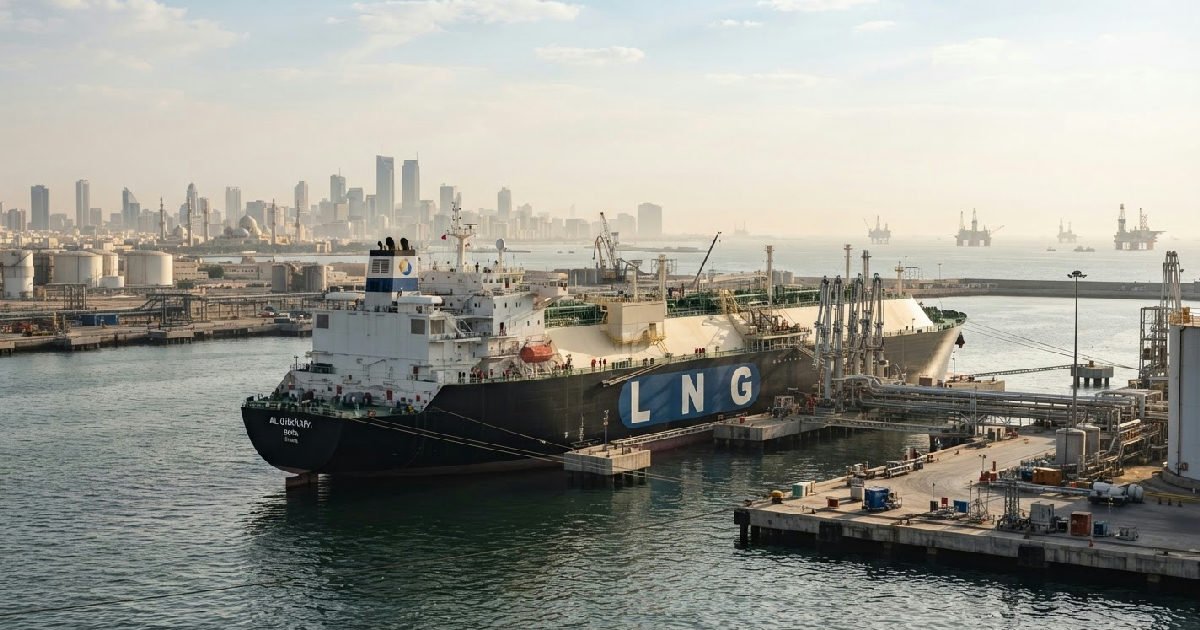
Middle East crisis fuels global LNG crunch
The global liquefied natural gas (LNG) market is bracing for an “almighty crunch” in 2026, a situation exacerbated by ongoing geopolitical instability, particularly a persistent Middle East crisis. This looming shortage is not just a concern for prices, but actively reshapes international trade flows and fundamentally alters pricing dynamics across the energy sector.
While a significant wave of new LNG supply capacity is slated to come online, its arrival may not be timely enough to fully offset immediate disruptions. The confluence of diminished supply, heightened demand, and strategic re-evaluations by nations is creating unprecedented volatility in energy markets worldwide, much like shifts seen in global fundraising dynamics.
Geopolitical Tensions Fueling the Global LNG Crunch
The current Middle East crisis stands as a primary catalyst for the escalating global LNG crunch, directly impacting the availability and secure delivery of vital natural gas supplies. Disruptions in key transit routes and the inherent uncertainty of conflict zones compel buyers to seek alternative, often more expensive, sources.
This geopolitical turbulence extends beyond physical supply lines, influencing investment decisions and long-term procurement strategies for major energy consumers. Nations are re-evaluating their energy dependencies, prioritizing reliability over sheer cost in many instances.
Consequently, the crisis creates a domino effect across the global energy map, making it challenging for markets to absorb shocks. European nations, still reeling from previous energy supply concerns, find themselves particularly vulnerable to any further destabilization. This shifting landscape reshapes global trade flows and pricing dynamics.
New LNG Capacity Nears Market Entry
Despite the immediate challenges, the horizon holds the promise of substantial new LNG supply capacity, with several large-scale projects nearing completion. These ventures represent years of significant investment and construction, poised to inject considerable volumes of natural gas into the global market.
Analysts anticipate that this influx of supply, once fully operational, could eventually help to alleviate some of the acute price pressures experienced today. However, the timing of these projects coming online in relation to persistent demand and geopolitical factors remains a critical variable.
Project Timelines and Investment Challenges
The development of major LNG export facilities is a capital-intensive and time-consuming endeavor, often spanning several years from initial planning to first gas. Delays due to technical issues, regulatory hurdles, or even global economic fluctuations can significantly push back production schedules, compounding existing supply concerns.
Moreover, the volatile market conditions currently observed can make securing financing for future projects more complex and costly. Investors often demand higher returns to compensate for increased risk, potentially slowing the pace of necessary infrastructure development.
This environment underscores the need for robust financial planning, a practice important for public investment strategies.
Volatile Pricing and Trade Flow Shifts
The current global LNG crunch has ignited extreme volatility in natural gas prices, with benchmarks fluctuating significantly in response to every perceived shift in supply or demand. This unpredictability makes long-term budgeting and industrial planning exceedingly difficult for energy-intensive sectors.
Traditional patterns of LNG trade are undergoing a profound transformation. Major importers, once reliant on specific regional suppliers, are now actively diversifying their procurement portfolios, seeking new partners across continents to ensure supply security. This shift often involves longer shipping routes and higher transportation costs.
For many economies, securing sufficient LNG has become a matter of national strategic importance, transcending purely economic considerations. The scramble for reliable sources is reshaping diplomatic ties and influencing international policy decisions, as nations vie for access to stable energy provisions.
Long-Term Outlook for Global Natural Gas
Looking ahead, the global natural gas market faces a complex interplay of forces. The enduring impact of geopolitical instability will continue to clash with the increasing availability of new LNG production capacity. This dynamic will likely define pricing and supply trends for the remainder of the decade.
LNG remains a crucial bridge fuel for many countries committed to reducing coal consumption while simultaneously expanding renewable energy infrastructure. Its flexibility and lower carbon footprint compared to other fossil fuels ensure its continued strategic importance in national energy mixes.
Regional Demand and Strategic Reserves
Different regions exhibit varying levels of vulnerability and demand for LNG. Asia, particularly emerging economies, continues to drive a substantial portion of global demand growth, while Europe remains highly sensitive to supply disruptions given its significant reliance on imported gas. These regional disparities create distinct competitive pressures in the market.
Many nations are actively pursuing the expansion of strategic natural gas reserves and infrastructure, including regasification terminals, to bolster their resilience against future supply shocks. Such investments are seen as critical safeguards in an increasingly unpredictable energy landscape.
Broader macro forces converging continue to influence these strategic decisions.
Navigating the Evolving Energy Landscape
The immediate challenge for policymakers and energy companies is to skillfully navigate the current LNG crunch while simultaneously preparing for future market dynamics. This demands a multi-faceted approach, balancing short-term supply needs with long-term strategic investments in energy diversification and infrastructure resilience.
Energy companies are focusing on optimizing logistics, securing flexible shipping arrangements, and exploring innovative storage solutions to cope with market volatility. The ability to adapt quickly to changing supply routes and demand patterns is becoming a significant competitive advantage.
Ultimately, the global LNG market is undergoing a fundamental recalibration, moving towards a system that prioritizes security and flexibility as much as, if not more than, pure cost efficiency. This shift will have lasting implications for international trade, energy policy, and global economic stability for years to come.