

Madison Keys’ US Open Heartbreak, “Tennis Just Feels Hard”
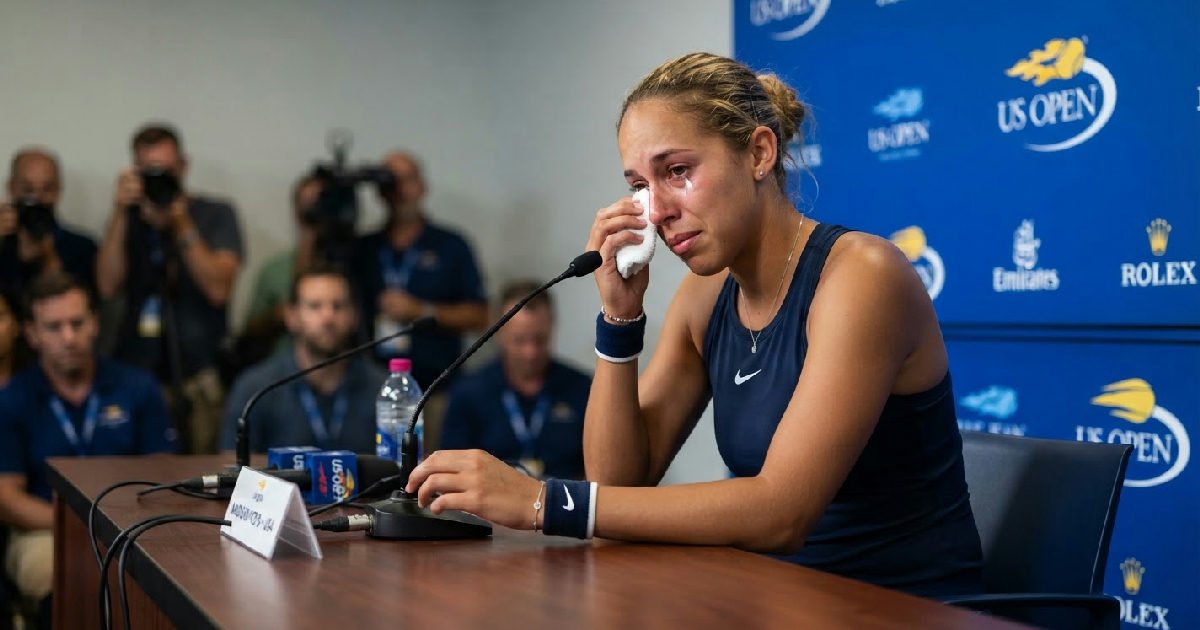
American tennis star Madison Keys suffered a heartbreaking third-round exit at the US Open on Saturday, September 5, 2026, collapsing from a commanding lead against China’s Qinwen Zheng. The No. 22 seed then delivered a raw, tearful post-match interview in New York, candidly admitting that “tennis just feels really hard right now.”
Her emotional candor revealed a deeper struggle beyond the dramatic 1-6, 7-6(3), 7-5 defeat.
Madison Keys US Open dramatic collapse
Keys had appeared poised for victory, holding a formidable 5-0 lead and a match point in the deciding third set. But a stunning comeback from Zheng saw the Chinese player reel off seven consecutive games, snatching a victory that left Keys visibly shattered. The match quickly became one of the most talked-about turnarounds of the tournament.
The match began with Madison Keys demonstrating her powerful game, wrapping up the opening set against Qinwen Zheng 6-1 in a mere 23 minutes. She appeared firmly in control, dictating play and moving efficiently around the court. Spectators might have anticipated a swift victory for the American.
However, Zheng, an Olympic gold medalist who navigated the qualifying rounds to reach the main draw, began to find her rhythm in the second set. She battled back, eventually securing it in a tiebreak, 7-6(3). This shift in momentum set the stage for an incredibly tense decider, highlighting the unpredictable nature of Grand Slam tennis.
Keys quickly reasserted her dominance in the third set, racing to a seemingly unassailable 5-0 lead. Serving for the match at 5-1, she held a match point, putting her just one point away from advancing. But a combination of Zheng’s relentless fight and Keys’ mounting tension led to an astonishing reversal.
Zheng then orchestrated a remarkable turnaround, winning seven consecutive games to clinch the set 7-5 and secure her spot in the fourth round. “I’m just telling myself keep holding every single point, never give up, stay there and somehow little by little it just happened,” Zheng later said, reflecting on her incredible resilience against the odds.
Keys Fights Back Tears in Candid Press Conference
Following the crushing defeat, Madison Keys entered her post-match press conference visibly distraught, frequently fighting back tears. Her voice was shaky as she attempted to articulate the emotions swirling within her. It was a raw display of vulnerability from an athlete under immense pressure.
“I feel like I got off to a really good lead and then I just got really scared,” the 31-year-old admitted, her words conveying the paralyzing fear that gripped her. “I felt like I couldn’t swing. Tennis just feels really hard right now. I feel like that kind of took over.”
This sentiment resonated deeply, offering a rare glimpse into the mental battles elite players face.
Keys further elaborated on her internal struggles, explaining, “I think my level dropped & she started to play better. I just feel like I’ve kind of been struggling for a while now & I feel like I was able to play through it for a bit.”
Her honesty underscored the long-term mental toll professional tennis can exact. For some athletes, facing such challenges requires as much fortitude as the physical demands of the game.
She confessed that the internal fight felt even more significant than what might have been visible externally. “I’m sure everyone could kind of see that I was struggling a bit. Inside it’s felt probably even bigger than that,” she stated. This revelation highlighted the invisible weight athletes often carry, even when appearing composed on court. The emotional strain often remains hidden until moments like this.
The Weight of Grand Slam Expectations and Past Glories
Playing at her home Grand Slam, the US Open, inherently carries an additional layer of pressure for Madison Keys. She has a storied history at the tournament, having reached the final in 2017. The desire to perform well for a home crowd, combined with personal expectations, can amplify existing anxieties.
Keys is also a Grand Slam champion, having claimed the Australian Open title in 2025. Such achievements elevate expectations, not just from fans and media, but from within the player themselves. The consistent demand to perform at an elite level, particularly while grappling with internal struggles, creates immense strain for any competitor.
The dramatic loss to Zheng also stands in stark contrast to Keys’ previous match in the tournament. In her second-round encounter against Anna Bondar, Keys displayed incredible resilience, saving five match points before ultimately winning 5-7, 6-4, 7-6. That victory showcased her fighting spirit, making the subsequent collapse even more poignant.
The unpredictable nature of professional tennis means an athlete can experience the highest highs and lowest lows within days.
Qinwen Zheng’s Resilient Ascent and Rising Profile
While the focus was heavily on Madison Keys’ emotional aftermath, Qinwen Zheng’s victory marks a significant moment in her burgeoning career. The Chinese player, currently ranked No. 121, demonstrated remarkable mental toughness and skill to overturn a seemingly insurmountable deficit. Her ability to stay composed under extreme pressure speaks volumes about her competitive spirit.
Zheng, who has previously been ranked as high as No. 4 in the world, has steadily been rebuilding her form. Winning an Olympic gold medal for China earlier in her career established her as a formidable talent. This kind of dramatic comeback on a Grand Slam stage can serve as a powerful catalyst for her confidence and ranking.
“The hard work pays off,” Zheng remarked after her victory, underscoring the dedication required to achieve such a turnaround. Her performance serves as a reminder that even when facing a dominant opponent, persistence can lead to extraordinary results. This win will undoubtedly boost her profile and momentum as the tournament progresses, proving her capabilities against top-seeded players.
Looking Ahead: Keys Considers “Some Sort of Changes”
The emotional depth of Keys’ interview also included a clear indication that she plans to address her ongoing struggles. “Some weeks are easier than others. This week is obviously one of the harder ones just because you care so much. I’m gonna have to make some sort of changes,” she stated, signalling a potential shift in her approach to managing her well-being.
When pressed for more details on these impending changes, Keys elaborated on a difficult cycle. “I’ve been accumulating things and postponing them for a while, because that’s how the tennis world works,” she explained. “But I’ve reached the point where I really need to do something.” This honesty about the demands of the tennis circuit resonated with many.
What these changes might entail remains to be seen. They could range from a temporary break from the demanding tour schedule to working more intensively with sports psychologists, or even adjustments to her coaching team or training regimen. The candid admission suggests a significant moment of reflection for one of tennis’s most engaging figures.