

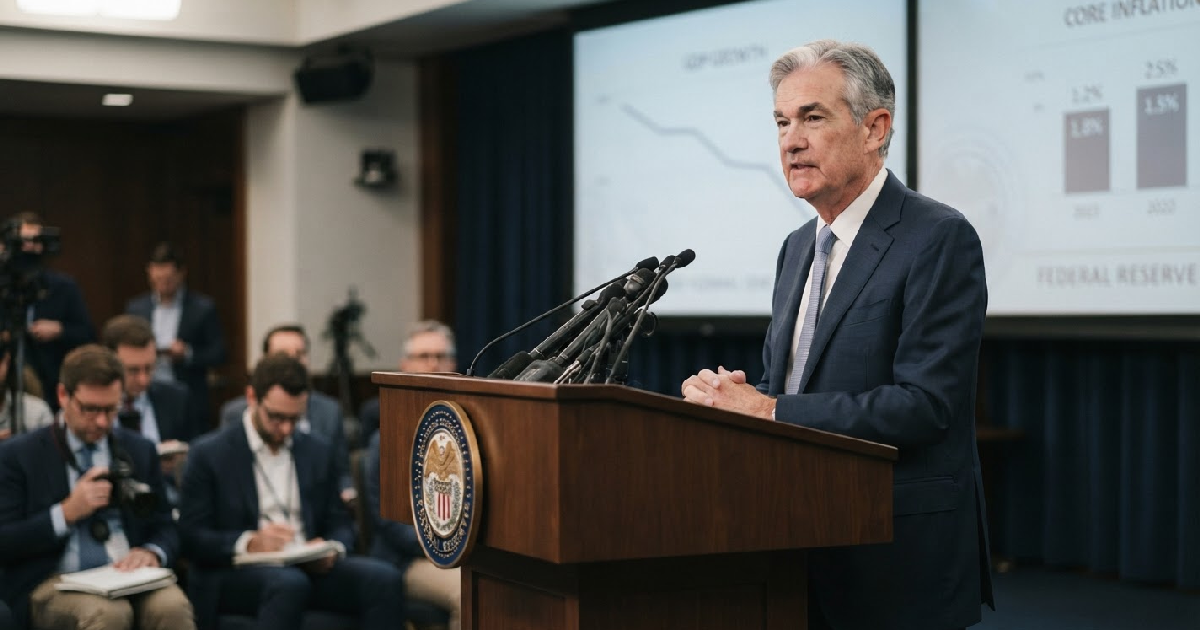
US economy slowdown: Q2 growth hits 1.5% as inflation persists
The United States economy experienced a significant slowdown in the second quarter of 2026, with its Gross Domestic Product (GDP) expanding at an annual rate of just 1.5%.
This figure, covering April through June and reported on Thursday, July 30, 2026, by the U.S. Bureau of Economic Analysis (BEA) and the Commerce Department, fell considerably short of economists’ projections.
Headline Figures Reveal US Economy Slowdown
Economists had broadly anticipated a more robust growth rate, with expectations ranging between 2.1% and 2.3% for the period. The actual 1.5% performance marks a notable deceleration from the 2.1% increase seen in the first quarter of the year.
This data confirms a distinct US economy slowdown, presenting a complex picture for policymakers. It suggests that while some sectors show strength, overall economic momentum is waning.
GDP Growth Misses Forecasts
The Gross Domestic Product, a comprehensive measure of all goods and services produced, indicated weaker-than-expected economic activity. This miss primarily stemmed from specific components rather than a widespread downturn.
Inventory adjustments and federal government spending cuts played a significant role. These factors masked underlying resilience in other critical areas of the economy.
Core Inflation Remains Stubbornly High
Simultaneously, June’s core inflation rate, as measured by the Personal Consumption Expenditures (PCE) price index, held steady at 3.3% year-over-year. This reading aligned precisely with market expectations.
Despite meeting forecasts, this persistent inflation figure remains well above the Federal Reserve’s long-standing 2% target. It continues to complicate the central bank’s efforts to stabilise prices.
Deeper Dive into Economic Drivers
While the top-line GDP number suggested a cooling trend, a closer examination of its constituent parts revealed a more nuanced reality. Several key economic indicators demonstrated solid performance, pushing back against a narrative of broad-based weakness.
This disparity highlights the importance of looking beyond headline figures. It points to a mixed economic environment with both headwinds and tailwinds impacting overall growth.
Consumer Spending Shows Resilience
One of the brightest spots in the report was robust consumer activity. Personal spending surged by 2.1% in the second quarter, a substantial acceleration from the mere 0.4% gain recorded in the first three months of 2026.
This strong showing underscores the continued willingness of American households to spend. It indicates that consumer demand remains a powerful engine for economic activity, despite other pressures.
A key indicator of underlying demand, called final sales to private domestic purchasers, also posted a robust 3.9% increase. This metric excludes volatile components like government spending and inventories, providing a clearer view of core private sector strength.
Inventory Drawdowns and Government Cuts Drag GDP
Conversely, two significant factors acted as a drag on the overall GDP calculation. Business inventories experienced a 0.7% decline in the second quarter, reflecting a reduction in stock levels.
Federal government spending also contracted by 0.3% during the same period. Both inventory drawdowns and government cutbacks directly subtract from the reported GDP figure, creating a weaker headline number.
Other components demonstrated modest gains. Gross private domestic investment rose by 0.5%, and exports increased by 0.5%. Imports, which subtract from GDP, declined by 1.5%, providing a slight positive contribution.
Federal Reserve’s Policy Tightrope
The combination of slower economic growth and persistent inflation places the Federal Reserve in a challenging position. The central bank’s primary mandate involves fostering maximum employment and price stability.
Its recent actions reflect this difficult balancing act. Just a day prior to these economic reports, a divided Fed voted 9-3 to maintain its benchmark borrowing rate within the 3.5%-3.75% range.
Geopolitical Events Fuel Energy Prices
Inflationary pressures, which had shown signs of easing earlier in 2026, saw a resurgence following geopolitical events. The attack on Iran by the U.S. and Israel in late February significantly disrupted global energy markets.
This conflict triggered a substantial surge in oil and gas prices worldwide. Federal Reserve officials have openly voiced concerns that these elevated energy costs could inevitably feed into broader economic inflation.
However, June offered a temporary reprieve. A reported ease in Middle East fighting contributed to a 5.9% tumble in energy goods and services prices, with gasoline alone dropping by 9.2% for the month.
Housing inflation also moderated, increasing by only 0.2%. Goods prices overall saw a 0.6% decline, while services rose a modest 0.1%. These fluctuations highlight the volatility introduced by external factors.
The Persistent 2% Inflation Target
The Federal Reserve technically monitors the headline PCE number as its main guide for policy decisions. However, most officials consider core inflation, which excludes volatile food and energy components, a more reliable indicator of long-term price trends.
Despite the recent moderation in some areas, the 3.3% annual core PCE rate remains stubbornly high. This makes achieving the Fed’s 2% target increasingly difficult without potentially stifling economic growth further.
The three dissenting votes in the recent Fed meeting came from regional presidents. They have consistently expressed concerns about the elevated price levels and the central bank’s perceived lack of progress towards its price stability mandate.
Household Budgets Under Pressure
Despite the overall resilience in consumer spending, a deeper look into household finances reveals growing strain. This trend raises questions about the sustainability of current spending patterns and their implications for future economic stability.
Consumers are increasingly relying on their existing reserves. This pattern could signal a coming inflection point for household budgets, especially if income growth doesn’t keep pace.
Savings Rate Plummets to Four-Year Low
The report highlighted a significant concern: the personal savings rate dropped to 2.7%. This marks the lowest level recorded in four years, indicating that Americans are saving less and spending more of their disposable income.
While personal expenditures increased by 0.3% in June, personal income grew by a lower-than-estimated 0.2%. This gap suggests that consumers are dipping into past savings to maintain their purchasing power.
A sustained low savings rate could make households more vulnerable to economic shocks. It reduces their financial buffer against unexpected expenses or downturns, creating potential instability.
Implications for Future Spending
The current reliance on depleting savings to fuel consumption isn’t sustainable indefinitely. Analysts worry this trend could lead to a future contraction in consumer spending if income growth doesn’t accelerate significantly.
Should the savings rate continue its downward trajectory, it could signal a weakening foundation for the economy. This might force households to pull back on discretionary purchases, further impacting overall demand.
Moreover, the ongoing battle against inflation fears impacts not just individual purchasing power but also broader investment sentiment. It shapes how consumers and businesses alike approach financial decisions in an uncertain environment.
Market Reaction and Future Outlook
Following the release of these economic reports, financial markets exhibited a mixed reaction. Stock market futures showed positive movement, suggesting some investor relief that the slowdown wasn’t worse or that inflation, though high, was in line with expectations.
Conversely, Treasury yields saw a sharp increase. This often reflects investor concerns about future inflation or expectations of higher interest rates from the Federal Reserve to combat persistent price pressures.
The current economic climate presents a complex outlook for the remainder of 2026. Policymakers must carefully weigh the risks of both recession and entrenched inflation.
Future Federal Reserve decisions will undoubtedly hinge on incoming data, particularly concerning inflation and the labour market. Their path forward remains a delicate one, balancing growth with price stability.