

Sonic Mania’s 25th Anniversary Comeback: How Sega Revitalized the Blue Blur
Sonic the Hedgehog has had its ups and downs over the years, but mostly downs in the 2010s. In particular, a big low point was 2014’s Sonic Boom: Rise of Lyric, which was critically panned. But the decade also gave rise to one of the most highly acclaimed Sonic games ever, 2017’s 2D Sonic Mania.
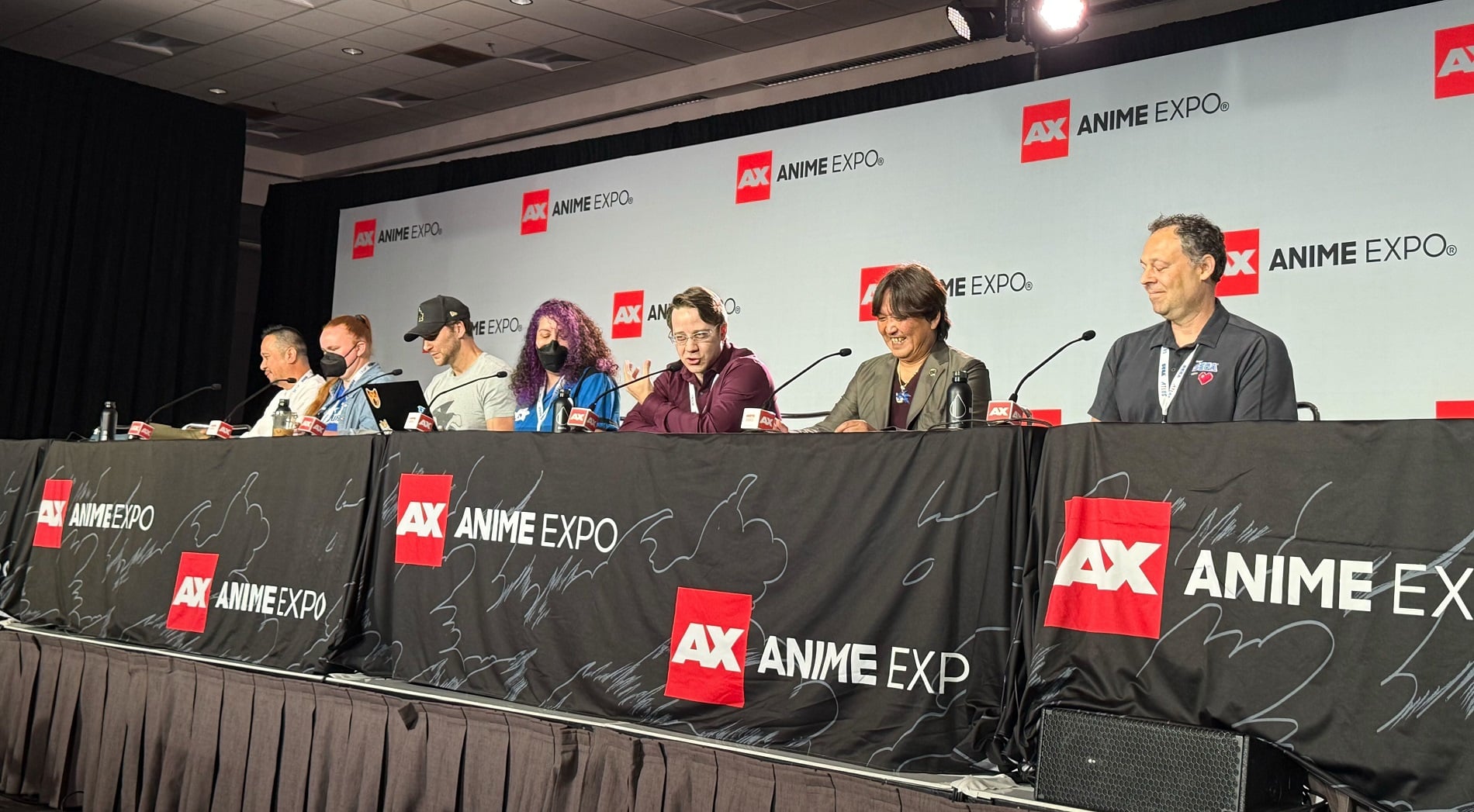
At Anime Expo 2026, Sega celebrated the franchise’s 35th anniversary by hosting a panel called “Sonic the Hedgehog Animated Shorts: A Frame-by-Frame Retrospective.” This event detailed how Sonic Mania came to be and its impact on reviving the franchise. Sega strategy director Aaron Webber moderated the discussion, offering key insights.
The path to Sonic Mania’s revival
Aaron Webber explained that ten years ago, mainline Sonic games consistently failed to meet Sega’s expectations, pushing the franchise into a difficult period. The 2014 release, Sonic Boom: Rise of Lyric, particularly stood out as a critical failure, widely panned by reviewers. This string of disappointments eventually led to the downsizing of the Sega San Francisco office and its move to Los Angeles, signaling a clear need for change.
Social media sentiment mirrored this decline, with online trolls frequently posting harsh criticisms. Comments like “Sonic was never good” and suggestions that Sega should “just let Sonic die” became common, reflecting deep fan disillusionment. Sega chose to confront this head-on, launching a proactive social media engagement campaign, embracing popular internet memes like “Sanic” and directly interacting with fans by answering their questions. Such shifts in corporate strategy are common in the dynamic gaming industry, often responding to market pressures or major title performances.
Christian Whitehead’s pivotal prototype
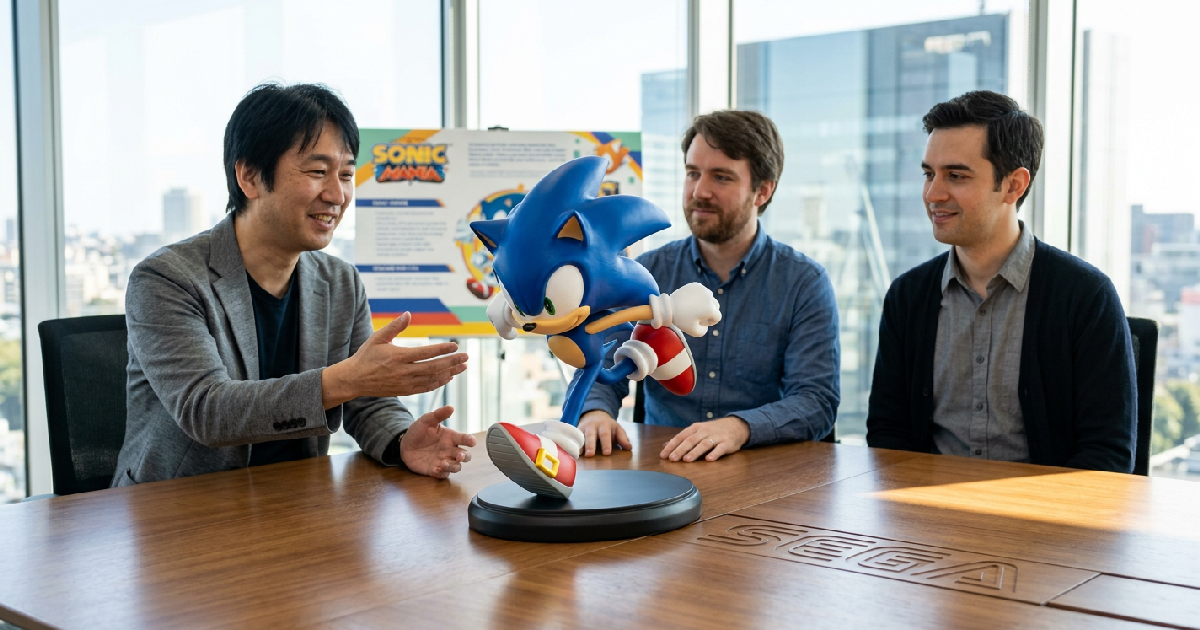
While public perception was being carefully managed, Sega knew internal game production demanded significant improvement, bringing in designer Takashi Iizuka and artist Kazuyuki Hoshino. Christian Whitehead, a prominent Australian programmer and member of the Sonic fangame community known as “Taxman,” presented one of the first crucial projects to Iizuka. Whitehead had a history of developing highly regarded remastered mobile ports of classic titles, including Sonic the Hedgehog, Sonic 2, and Sonic CD, showcasing his mastery of 2D game design with his custom-built Retro Engine.
Webber strongly championed Whitehead’s prototype, an original 2D game concept. “I had asked him to come over and share this prototype of a project that I really believe in, and I knew, if we can launch this thing, it’s going to be amazing for Sonic,” Webber stated. His initial relief turned to anxiety when Iizuka, after hearing the pitch, simply walked out of the room without comment, leaving a palpable silence.
” This decisive moment greenlit the game, which began development in 2015 and was released two years later.
Going all in on animation
Following its release, Sonic Mania quickly solidified its status as a best-selling and critically acclaimed title, widely credited with reviving mainstream interest in the Blue Blur. This success prompted Sega to release Sonic Mania Plus, an enhanced version that added more content and offered a crucial physical release, broadening its market reach. The game’s positive reception also directly led to the development of an accompanying animated short series, Sonic Mania Adventures.
Animator Tyson Heese revealed the creative team initially faced tight budget and time constraints from Sega, limiting their options to either black-and-white sketches or pixel art animation. Despite these limitations, the team was determined to produce a high-quality, “real cartoon” for their first Sonic show. Their persistence paid off, resulting in the vibrant animation style seen in Sonic Mania Adventures.
Expanding the animated universe
Since then, Sega has consistently utilized animated shorts to promote and complement its new game releases across the franchise. Every mainline game has received dedicated animated content, including Sonic Superstars: Trio of Trouble, Sonic Frontiers Prologue: Divergence, and Sonic X Shadow Generations: Dark Beginnings. Even spin-off titles like Sonic Racing: Crossworlds benefited from their own animated tie-ins, showcasing the strategy’s effectiveness. Alan Wan, co-founder of Studio Giggex, notably contributed to the Dark Generations and Crossworlds animations.
Wan emphasized the unique creative freedom within Sonic Team, stating, “They really took a lot of creative chances that a lot of franchises probably wouldn’t.” He also highlighted the team’s openness, noting, “They’re also really open to letting creators come into this sandbox.” This approach encourages diverse storytelling and visual styles, preventing creative stagnation that can plague long-running series. Such strategic expansions into multimedia are common for major gaming properties seeking to extend their reach.
The Anime Expo panel concluded with the grand unveiling of a new animation, Sonic the Hedgehog: Memories and Beyond, a special project for the franchise’s 35th anniversary. The action-packed trailer features Sonic and his friends engaging in an intense battle against Dr. Eggman and Metal Sonic.
Confirmed characters in the fray include Sonic, Knuckles, Shadow, Amy Rose, and Rouge the Bat. Sega provided context for the short, explaining Dr. Eggman’s plan to transform Metal Sonic into the “ultimate fighting machine” by stealing Sonic’s life data and harnessing the Chaos Emerald.
While the animation showcased impressive combat and detailed visuals, no release date or new game announcements were made. This leaves fans speculating whether this combat-heavy short could hint at a future action-adventure Sonic game, ideally one that avoids past disappointments like Rise of Lyric. com/game-news/star-fox-switch-2-day-one-update-details/”>New developments for beloved series like Star Fox on Switch 2 also suggest a continued trend towards innovative gameplay and storytelling.