

Projections Suggest Potential Performance Surge for Murakami and Luzardo
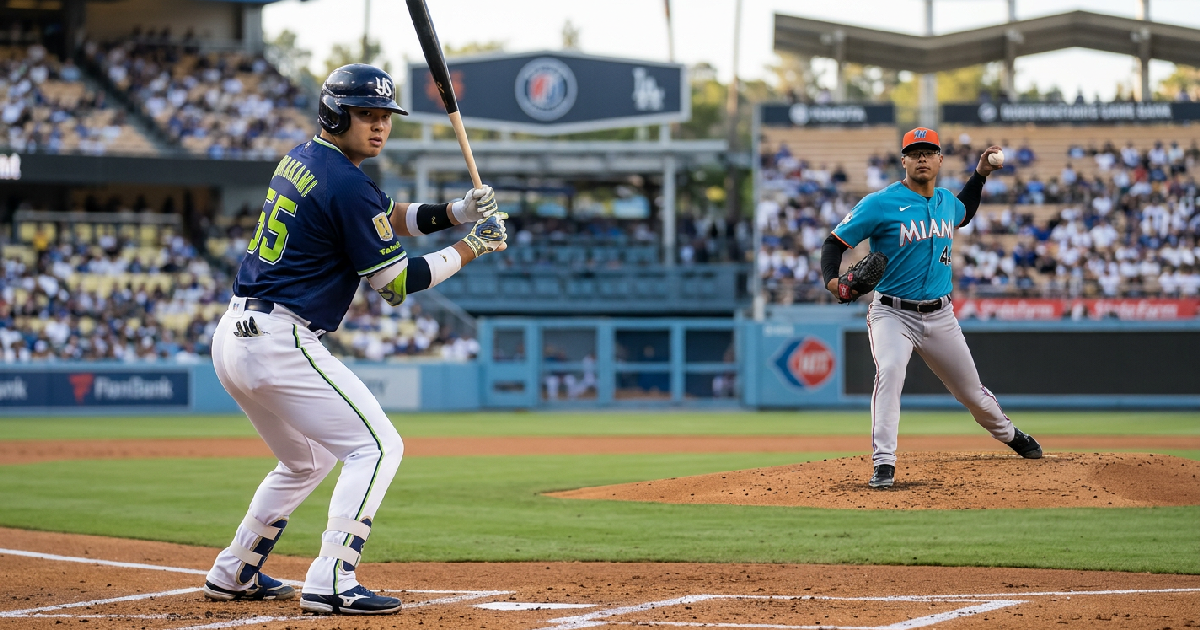
Fantasy baseball analyst Eric Karabell has identified Munetaka Murakami and Jesus Luzardo as two players who could define the trajectory of the 2026 season for competitive managers. According to reports from the industry, Murakami is viewed as a prime candidate to challenge high-tier home run totals, while Luzardo is tipped for a significant statistical correction following a period of on-field volatility. These projections arrive as the season moves toward its middle chapters, often a time when roster adjustments become the difference between a title run and a slide down the standings.
The focus on Murakami stems from a reputation for elite power that has followed him throughout his career. Analysts believe his ability to maintain a high level of production over a full season makes him a rare asset in the current landscape. Since top-tier power hitters are increasingly difficult to find, the possibility of a player reaching historical offensive milestones continues to drive strategy for those seeking a competitive edge in fantasy leagues.
Jesus Luzardo presents a different case study for managers weighing risk against reward. Despite early fluctuations in his performance, scouts and data analysts point to his underlying metrics as a sign of an impending turnaround. His strikeout profile suggests that his current results might not accurately reflect his true talent level, leading many to believe a rebound is more of a question of “when” rather than “if.”
Power Surges and the Evolution of Player Evaluation
The intersection of individual performance and strategic speculation is more prominent than ever. As players like Murakami chase significant seasonal milestones, the sports world looks at how these physical feats influence broader trends across the game. Just as talented young athletes like Carlos Alcaraz look toward legendary figures for guidance, modern baseball stars are operating under immense pressure to deliver consistent results under a microscope of data tracking.
In the digital sphere, these real-life performances dictate the value of assets in gaming and simulation environments. If a player approaches historic home run territory, their profile in various digital ecosystems typically sees a corresponding rise in attention. This creates a link where success on the field drives engagement in online platforms, forcing developers to adapt to the rapid pace of the season.
Analyzing the Offensive Ceiling for Elite Hitters
Sustaining a high-volume home run pace requires a combination of physical health and disciplined plate appearances. Reports indicate that hitters of Murakami’s caliber are making adjustments to counter the high-velocity strategy prevalent in modern pitching. By forcing pitchers to challenge them in the strike zone, these batters are able to maximize their natural leverage and launch angles.
The psychological battle at the plate is just as critical as the physical mechanics. Analysts have noted a shift toward more vertical swing paths among the league’s top power threats, a move designed to exploit the current defensive positioning and pitching trends. For managers, identifying which players have successfully implemented these mechanical changes is key to predicting who will finish the year at the top of the leaderboards.
Pitching Stability and the Path to Improvement
For Jesus Luzardo, the road to regaining his form is reportedly tied to the command of his secondary pitches. Early struggles often result in a loss of confidence from the public, but those who study pitching mechanics often look for “sticky” indicators like whiff rates to determine a player’s actual health and effectiveness. The belief is that a pitcher with Luzardo’s raw stuff will eventually see their luck balance out.
The recent volatility in the player market mirrors the fluctuations seen in high-stakes financial environments. The market for sports performance can shift as quickly as digital currencies, which was evident when market pressure impacted major crypto assets recently. In both sports and finance, the primary goal is to identify a player or asset with high intrinsic value before the broader market recognizes the potential for a recovery.
Digital Strategy and Real-Time Performance Data
The way fans and gamers consume player data is fundamentally changing the gaming industry. Developers are shifting toward more dynamic updates that reflect what is happening on the field in real-time. This trend toward a more connected global experience is visible in other sectors as well, such as when the Epic Games Store modified its platform strategy to reach a wider mobile audience.
As gaming becomes more integrated with live sports data, the role of veteran analysts becomes more centered on interpretation rather than simple observation. The goal is no longer just to report what happened, but to explain why it happened and what it means for the next several weeks of play.
Forecasting the Second Half of the Season
Looking toward the coming weeks, the movements of players like Murakami and Luzardo are expected to shape the competitive landscape. Managers who decide to stick with high-upside players through temporary slumps are often the ones who benefit from late-season surges. The psychology of sports management frequently leads to reactionary decisions, yet historical data shows that elite talent tends to regress toward its mean performance over time.
Whether it involves a hitter finding their timing after a quiet stretch or a pitcher reclaiming the zone with their fastball, the narrative of the 2026 season remains fluid. Those who prioritize long-term data over short-term results are typically better positioned for success as the league prepares for its final stretch.