

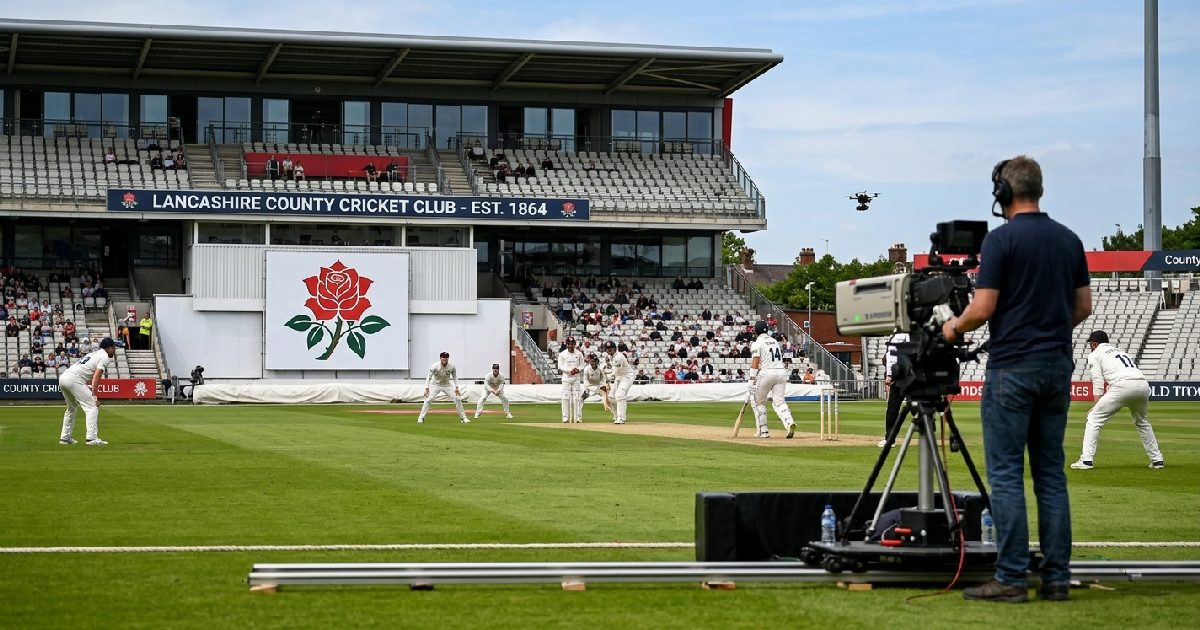
Lancashire Shifts Match Broadcasts Behind Paywall as Digital Strategy Evolves
The decision by Lancashire County Cricket Club to move its digital match broadcasts behind a paywall has sparked intense debate across the domestic game. This shift marks a significant departure from the established norm of providing free access to live streams, potentially ending an era where supporters could watch their favorite county teams without an additional subscription fee.
For several years, English counties have cultivated a broad digital audience by offering high-quality streaming services for their multi-day and limited-overs matches. By moving toward a subscription-based model for certain content, Lancashire appears to be testing a new financial strategy, weighing the potential for direct revenue against the risk of reduced accessibility for its traditional supporter base.
## A New Strategy for Digital Broadcast Rights
Lancashire’s pivot represents a move toward greater control over media assets. While central broadcast agreements remain a primary source of income for the sport, individual clubs have generally retained the rights to manage digital output for matches not selected for national television. In this context, the digital platform is being repositioned as a premium service rather than a simple promotional tool.
Critics of the move suggest that charging for access could hinder the growth of the game, particularly as it competes for attention against a vast array of alternative entertainment. However, the operational costs of maintaining professional-grade camera setups and commentary teams are substantial. Just as sports and tech enthusiasts often face worsening market conditions and rising overheads, domestic cricket clubs are reportedly feeling the pressure of inflation and increasing production costs.
The wider cricketing community is watching closely to see if this sets a precedent. While the focus remains on the action on the pitch, the boardroom shift toward monetization is hard to ignore. Other major clubs are expected to monitor the success of this experiment before deciding whether to implement similar paywalls in their future schedules.
## Competitive Tensions on the Field
While the off-field financial strategy dominated recent discussions, the actual cricket has continued to provide a necessary distraction. Matches involving high-profile sides like Hampshire and Somerset are often the highlights of the domestic calendar, frequently featuring teams that sit toward the top of the competitive standings. Reports from recent exchanges suggest that conditions have remained challenging for batters, requiring significant discipline to navigate the moving ball.
Elsewhere, traditional powerhouses like Warwickshire and Essex have been involved in tactical battles that define the grit of the domestic circuit. Much like a seasoned athlete adjusting to influence from major sporting icons and evolving professional standards, openers in these contests have had to show immense patience. The standard of play reinforces why these matches are considered the foundation of the English game, even as the method of delivery to fans begins to change.
## Assessing the Impact on Fan Engagement
The introduction of a pay-to-watch model raises fundamental questions about fan engagement. One of the primary benefits of the current system is the ease with which a spectator can switch between different matches across the country. If several clubs choose to implement separate fees, the cumulative cost for a casual observer could become a barrier to entry.
Conversely, proponents of the subscription model argue that a dedicated revenue stream allows for greater investment in the viewing experience. Potential benefits often cited include higher production values and more in-depth analysis. This reflects a broader trend seen in other sectors, such as the gaming industry, where strategic expansions into digital platforms are designed to maximize the value of existing audiences.
## Long-Term Outlook for Domestic Cricket
Lancashire is among the first to move toward a formal paywall, but the financial realities of the sport suggest they may not be the last. The gap between international revenue and domestic sustainability continues to be a point of concern, leaving clubs to search for income streams that are not solely dependent on ticket sales or favorable weather conditions.
The timing of this transition is particularly sensitive as the sport grapples with its long-term future and the balance between various formats. Traditional squads are under constant pressure to remain relevant in a crowded sporting market. If this subscription experiment is perceived as a success, it could lead to a broader adoption of paywalls across the domestic circuit in the coming seasons. If it struggles to gain traction, it may instead serve as a warning about the limits of monetizing a traditionally free service.