

Why the ‘lazy developer’ narrative ignores the reality of modern game cycles
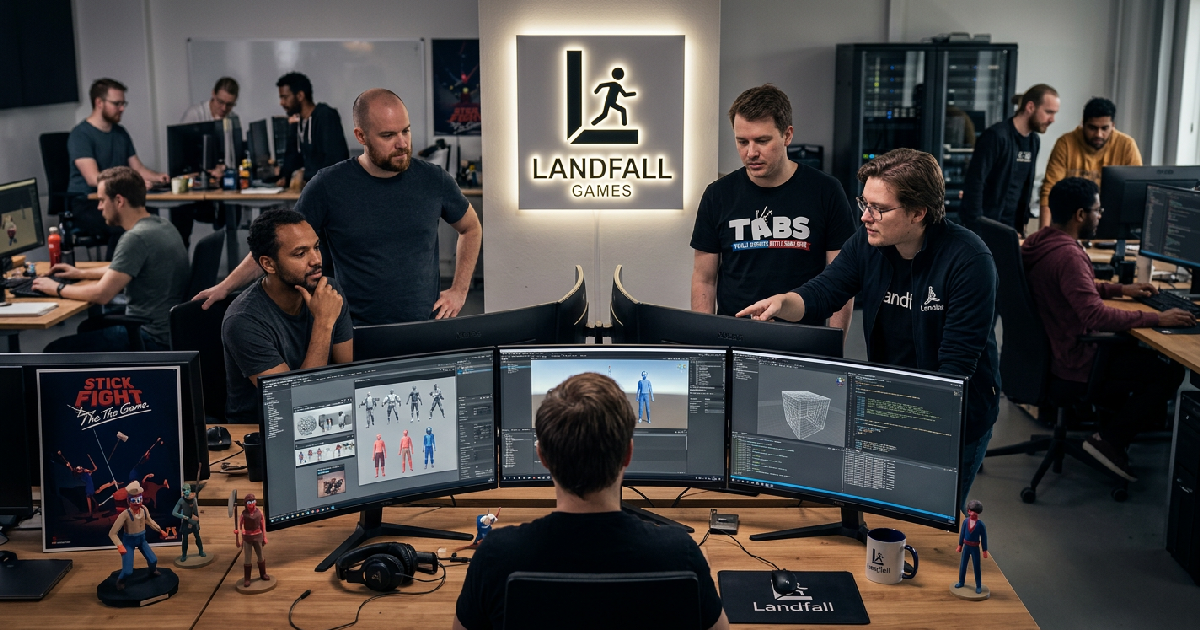
The relationship between those who play video games and those who build them has reached a friction point that feels increasingly unsustainable. For years, a vocal segment of the gaming community has leaned on a specific, biting critique when a patch is delayed or a feature doesn’t meet expectations: the “lazy developer.” It is a narrative that ignores the systemic reality of an industry defined by brutal crunch cycles and high turnover, and recently, developers at Landfall Games have reportedly pushed back against the term.
The tension has reportedly intensified following the release of recent projects. Despite various initiatives to support titles after their arrival on digital storefronts, studios often find themselves defending their output against claims of a “lazy development cycle.” Some industry voices have begun to assert a rare moment of candor, suggesting that while they value their community, a constant stream of post-launch content should perhaps be viewed as a bonus for players rather than a fundamental contractual obligation. It is a sentiment that challenges the growing “live service” mindset that has begun to consume the entire medium.
The shadow of the live service model
The root of this disconnect likely lies in the massive success of titles like Fortnite, Call of Duty, and Overwatch. These games have pioneered an era where a title is never truly “finished.” Players have become conditioned to expect a seasonal cadence of new skins, maps, and mechanics. When this expectation is transferred onto smaller studios or single-player experiences, the math simply doesn’t add up.
There is a growing trend of gamers monitoring Steam charts as if they were quarterly earnings reports. If a single-player narrative game sees its player count drop a few months after launch, it is labeled “dead” in certain online circles. If a developer doesn’t announce a roadmap of updates shortly after release, the project is frequently called “abandoned.” This shift in language reflects a fundamental misunderstanding of how traditional game development works. Not every game is designed to be a “forever game,” and treating a linear experience like an evolving MMO creates a cycle of perpetual disappointment.
Burnout and the human cost of development
The “lazy” accusation is particularly stinging when viewed against the backdrop of current industry conditions. Game development is notorious for its volatility. Large-scale layoffs have become a frequent occurrence at major publishers, and the pressure to deliver content often forces developers into periods of intense overtime. Arguing that developers are unmotivated ignores the fact that most people in the industry are there because of a deep passion for the craft.
Reports suggest there is often no middle ground in modern discourse. Studios are either expected to support a game indefinitely or face accusations of greed and sloth. By highlighting the necessity of boundaries, developers are pointing to a structural problem. The industry cannot survive if every team is tied to a single piece of software for years, unable to innovate or try fresh ideas because they are stuck maintaining a legacy live-service loop.
The shift to a digital-first economy
Why has this expectation of longevity become so pervasive? Part of the answer is the death of the physical secondary market. In the past, players would buy a game, finish it, and trade it in at a retail shop. Today, digital storefronts ensure a game stays “live” and accessible for years. Because the game is always there, and always being sold, consumers may feel a sense of ongoing ownership that leads to demands for ongoing service.
Publishers have also played a role in stoking these fires. Even for games that don’t have microtransactions, companies often chase engagement metrics to keep a brand relevant for future sequels. This has blurred the lines between a product you buy and a service you subscribe to. When the industry markets every game as a platform, it creates an environment where the audience starts acting like subscribers.
Searching for a sustainable middle ground
The conversation within the industry suggests a need for a reset in player-developer relations. The current environment, where developers are often at the whim of volatile consumer sentiment, leads to burnout and a lack of creative risk-taking. If every game must satisfy a never-ending hunger for content, smaller, more experimental titles may vanish entirely.
Moving away from the “lazy dev” trope requires acknowledging that a game can be a complete, finished work of art. The end of a patch cycle isn’t a failure of work ethic; it’s often a sign that a creative project has reached its natural conclusion. As the industry continues to navigate economic instability and changing consumer habits, protecting the staff at the center of development might just be the most important update of all.