

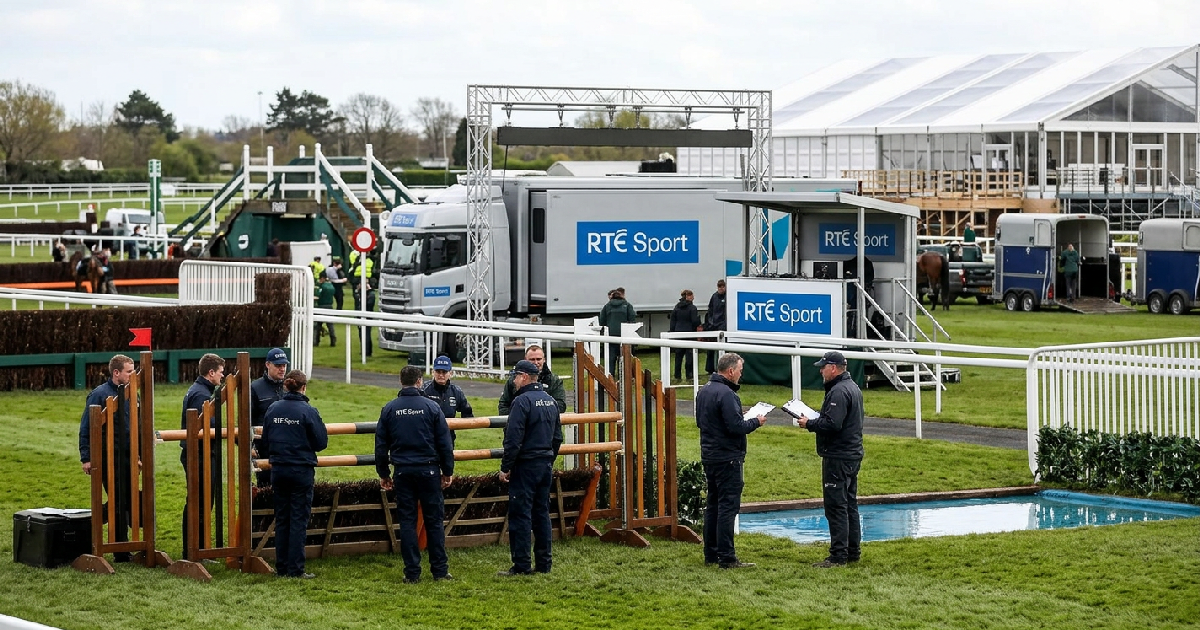
RTÉ Sport details World Cup logistics and Aintree plans
The logistical framework for the 2026 World Cup is coming under intense scrutiny as organizers grapple with the unprecedented scale of a tournament spanning three nations. While the footballing world focuses on qualifying campaigns and squad depth, the operational realities of hosting 48 teams across the United States, Canada, and Mexico are beginning to dominate the conversation among sporting officials and local municipalities.
Recent updates from RTÉ Sport and other major broadcasters have highlighted the sheer complexity of the task ahead. Unlike previous iterations of the tournament, the 2026 event necessitates a sophisticated coordination of travel, security, and infrastructure that exceeds anything FIFA has managed before. The geographical spread alone presents a nightmare for team recovery and fan movement, with thousands of miles separating key host cities.
Pressure Mounts on World Cup Logistics
Concerns aren’t just limited to the pitch. The logistical hurdles include visa processing for millions of international fans and the coordination of security protocols across three different legal jurisdictions. According to reports surfaced by RTÉ Sport, the sheer volume of expected visitors is already prompting host cities to reconsider their local transport strategies. The “United 2026” bid promised a seamless experience, but as the tournament draws closer, the gap between ambition and reality is becoming more apparent.
For the athletes, the primary concern is the toll of transcontinental travel. A team might play a group stage match in the humid heat of Mexico City before flying several hours to a cooler climate in Toronto or Seattle. This puts a premium on sports science and recovery, but it also places a massive burden on the charter flight networks and dedicated training base camps that have yet to be fully finalized.
And while the focus remains on the North American continent, the ripples of these challenges are felt globally. Broadcasters are having to rethink how they cover a tournament that essentially takes place across four different time zones, complicating the “live” nature of the world’s biggest sporting spectacle.
Avenue to the Grand National
Closer to home, the focus in the Irish sporting world remains firmly on the turf. Gavin Cromwell has recently confirmed that Final Orders is being prepared for a significant raid on the Aintree Grand National. It’s a move that has been much discussed among racing circles, particularly given the horse’s consistent form and the trainer’s knack for finding the right rhythm in major handicaps.
The preparation for Aintree is always a delicate balance of maintaining fitness without overextending. For Cromwell, the path to the National represents a calculated gamble on a horse that has shown the necessary stamina and jumping ability to handle the unique challenges of the Aintree fences. You can find more detail on this development in our report on Cromwell confirming the Aintree raid.
Tennis Talent and Tactical Errors
On the courts, the Miami Open has provided a stage for several burgeoning stars, though not without their share of setbacks. Arthur Fils, who has been widely tipped as one of the next great forces in the sport, recently fell under the analytical lens of ten-time Grand Slam finalist Jim Courier. Ahead of high-stakes matches in Miami, Courier pointed to a specific tactical flaw in the young Frenchman’s game—a tendency to play too far behind the baseline during critical defensive transitions.
These tactical nuances are often the difference between a semi-final exit and a trophy. For Fils, the lessons learned in Miami will be vital as the tour shifts toward the clay-court season in Europe. For a deeper dive into Courier’s analysis, see the breakdown of the tactical flaws affecting the Miami Open semi-finals.
What Lies Ahead in the Sporting Calendar
The coming months will see a convergence of these narratives. The 2026 World Cup organizers will face their next major milestone when FIFA releases updated stadium readiness reports. Simultaneously, the horse racing world will converge on Liverpool for the Grand National, where Cromwell and Final Orders will look to etch their names into the history books.
In the world of tennis, the focus shifts to whether young talents like Fils can adapt their games based on the high-level critiques they’ve received from veterans like Courier. It remains a period of transition and high-stakes preparation across the board.
World Cup and Aintree FAQ
Exactly how many cities will host matches during the 2026 World Cup?
The tournament is set to be hosted across 16 cities in the United States, Mexico, and Canada. This represents the largest geographical footprint in the history of the competition, creating the significant logistical hurdles currently being discussed by organizers.
What makes the Aintree Grand National different for horses like Final Orders?
The Grand National is famous for its unique fences, which are larger and more varied than traditional steeplechase obstacles. It requires a specific combination of stamina to last the four-mile-plus distance and jumping precision to navigate a 30-fence course safely.
Why are experts like Jim Courier focusing on Arthur Fils’ court positioning?
In the modern game, “stealing ground” is essential. If a player stays too deep, they give their opponent too many angles to attack. Courier’s observation suggests that while Fils has the power, his defensive positioning may be leaving him vulnerable to more experienced tacticians on the ATP tour.