

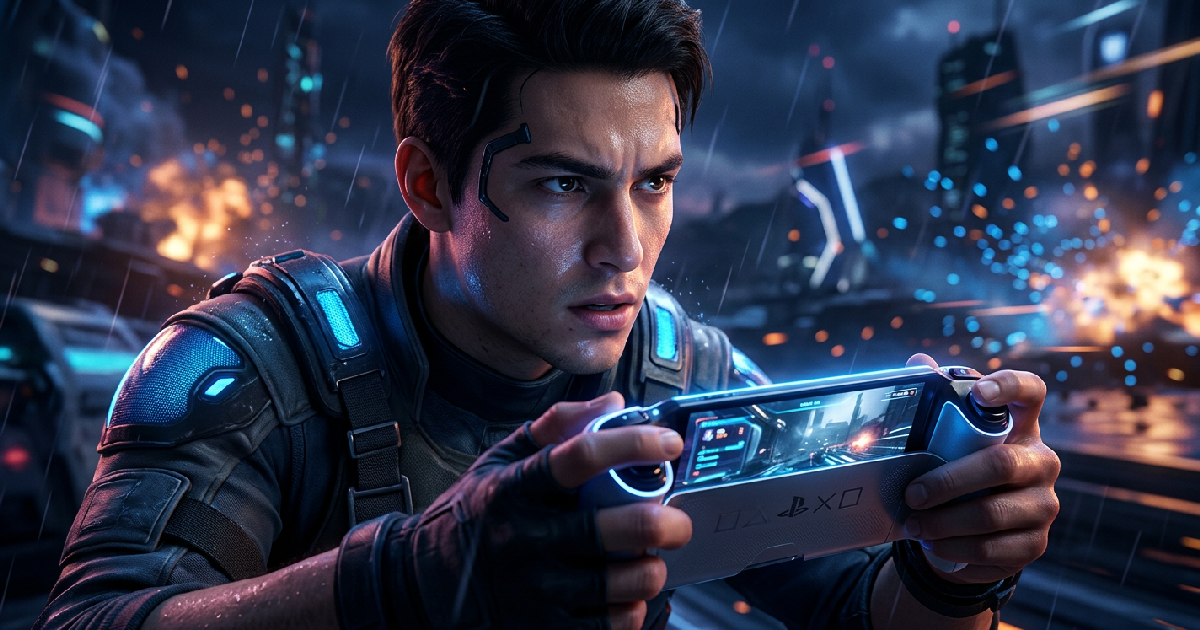
Sony Moves Toward Multi-Device Strategy for Next PlayStation Generation
Sony appears to be reconsidering its long-term hardware strategy as fresh reports suggest the company is preparing a broader multi-device approach for its next generation of gaming. While the PlayStation 5 remains the focal point of the current market, initial leaks regarding a successor suggest that the next major hardware cycle could feature a variety of distinct devices designed to capture different segments of the gaming audience.
The chatter surrounding this hardware shift suggests Sony is looking to move beyond the traditional model of a single console arrival. For decades, the industry followed a predictable cycle of one base console followed by a more powerful iteration several years later. However, the scope of this rumored lineup indicates Sony may want to address the growing demand for portability and high-tier performance much earlier in the next lifecycle than previously expected.
A Diversified Hardware Ecosystem
Industry analysts are pointing toward a strategy that could mirror the modern smartphone market. According to reports, Sony may be developing a standard next-generation console alongside a more powerful alternative and a dedicated handheld device. This move would represent a significant departure from the brand’s history, where hardware releases have typically been more staggered.
The standard next-generation console is expected to serve as the flagship, focused on delivering the leap in fidelity and processing power that define a new era. But it is the secondary and tertiary devices that are drawing the most attention from the gaming community. If Sony releases a specialized high-end model alongside the base unit, it could eliminate the wait for a mid-cycle refresh. This would allow enthusiasts to opt into peak performance from the start of the generation rather than waiting years for an upgrade.
The potential return to handheld gaming is also a major talking point. Following the release of the PlayStation Portal, reports suggest Sony may be exploring a return to dedicated mobile hardware. A native handheld tracker would put Sony in direct competition with the established portable market and the growing popularity of PC-based handheld devices. Such a device would likely focus on playing a curated library or utilizing cloud technology to offer a seamless experience on the move.
Adapting to a Shifting Market
The timing of these rumors coincides with a period of reflection for the gaming industry. Development costs for major titles have risen, and console manufacturers are looking for more ways to lock users into their digital ecosystems. By potentially offering multiple entry points, Sony could cater to casual players, hardware enthusiasts, and mobile gamers simultaneously.
There is also the critical issue of silicon and architecture. Sony is reportedly focused on ensuring that any future hardware maintains backward compatibility. Keeping the massive current library playable on new systems is increasingly seen as a requirement for maintaining subscriber numbers on digital services. Taking time to refine these architectures while existing pro-tier hardware remains on the market allows for a more measured transition to the next generation.
Looking Toward the Next Generation
If these reports prove accurate, the next hardware launch will be a pivotal moment for the brand. Sony is increasingly competing for time against mobile devices, PC platforms, and emerging cloud services. A multi-pronged hardware approach suggests that a single console may no longer meet the needs of every segment of the gaming public.
Moving from a single-device launch to a more complex hardware ecosystem requires a massive logistical undertaking. It affects how developers optimize their games and how the global supply chain is managed. For the consumer, however, it could mean more choice. Whether the preference is for a traditional home console, a high-performance machine, or a handheld, Sony seems to be exploring ways to provide an answer for all three. Technical specifications and firmer details are expected to surface as the next generation approaches, but for now, the prospect of a more diverse hardware family has set the stage for a new phase in interactive entertainment.