

Sony Launches Playerbase to Put Fans Inside PlayStation Games
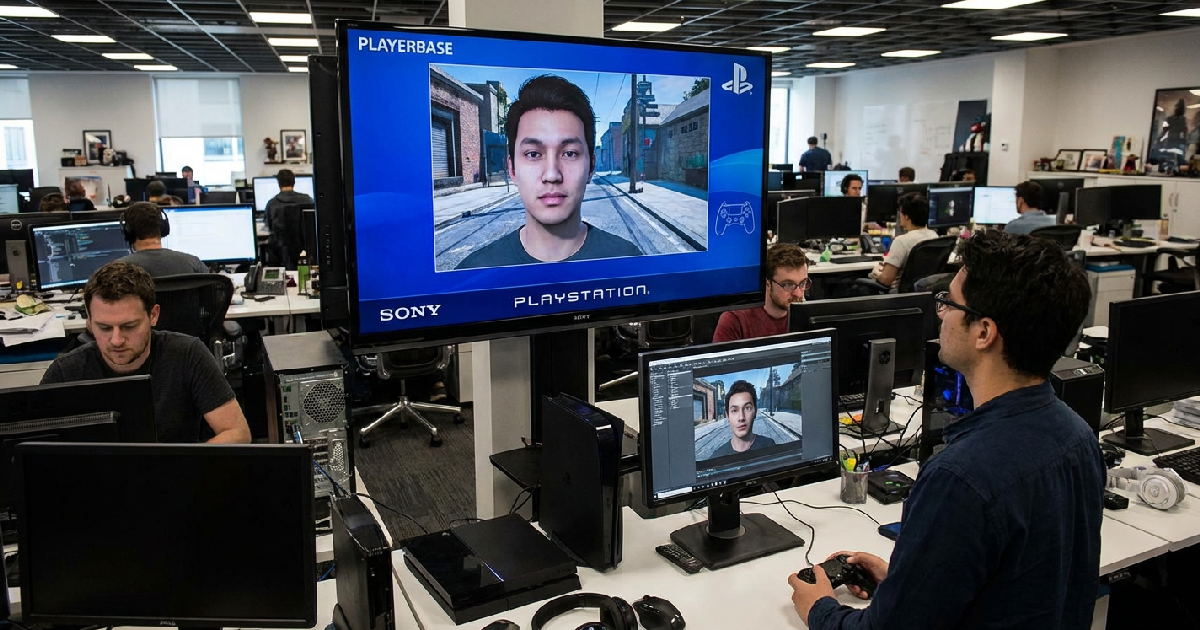
Sony Interactive Entertainment is reportedly moving to bridge the gap between players and the digital worlds they inhabit with the introduction of its new Playerbase program. This initiative represents a potential shift in how the company views its community, offering fans a unique opportunity to see their personal likenesses or contributions integrated into actual gaming titles. It is an ambitious play aimed at deepening user engagement at a time when digital identity has become a central pillar of the modern gaming experience.
The program appears to be more than a cosmetic addition. While the idea of appearing as a background character in a blockbuster title is the main draw, Playerbase seems to be part of a broader strategy to solidify the collective ecosystem. By rewarding active participation and community involvement, Sony may be looking to turn its most loyal players into part of the development cycle. This move aligns with broader industry trends where creators are looking for ways to make gaming more personal and interconnected through internal rewards and global mobile expansion strategies.
How the Playerbase system is expected to function
According to initial reports, Playerbase will likely utilize a tiered system where community milestones lead to potential in-game cameos. This could range from having a player’s username appear on digital leaderboards in competitive multiplayer titles to having their facial scans used for non-player characters (NPCs) in narrative-driven adventures. Sony has previously experimented with community engagement through the PlayStation Stars program, but this new venture suggests a much more direct integration with the software itself.
Developers from various internal studios are expected to set the criteria for these appearances. Sources indicate it won’t be a random lottery; instead, it will likely target players who have achieved deep mastery in specific titles or contributed significantly to the gaming community through forums and content creation. This creates a tangible legacy for fans, giving them a stake in the history of the franchises they support. We are seeing similar technical leaps in other sectors, such as how a game arrives on PC via Steam with enhanced features before hitting other platforms, highlighting the flexibility of modern game engines.
Integration across the console ecosystem
The prospect of seeing oneself in a game is a powerful motivator. For competitive players, the idea of their digital avatar being immortalized in a shooter or a sports simulator adds a new layer of prestige. This also opens the door for crossover promotions. For instance, players who excel in specific genres might find their likeness used in adjacent titles, creating a scenario where the community becomes the face of the brand.
As gaming hardware continues to evolve, the technical barriers for this kind of integration are dropping. Modern consoles have the processing power to render high-fidelity character models based on user data, and existing infrastructure makes distributing these personalized assets relatively seamless. The move toward more personalized digital experiences echoes the way financial technologies are evolving, where users are looking for smarter digital choices to manage their assets and identities online.
| Feature | Playerbase Potential | PlayStation Stars (Existing) |
|---|---|---|
| Integration Level | In-game assets/NPCs | Digital collectibles/Points |
| Selection Method | Merit-based/Milestones | Purchase and trophy-based |
| Brand Visibility | High (Appear in-game) | Low (Private app display) |
| Developer Input | Required for asset creation | Mostly automated at OS level |
The future of community-driven development
Sony’s decision to launch Playerbase suggests they are paying close attention to the way fans interact with intellectual property. In an era where online personality dictates much of a game’s lifespan, giving the average player a chance at the spotlight is a tactical move. It democratizes the celebrity aspect of gaming, making it possible for dedicated players from various global regions to become part of the lore of major first-party franchises or spin-offs.
But the program will likely face hurdles, particularly regarding privacy and legal rights to one’s likeness. The platform holder will need to be transparent about how these digital twins are used and managed. If they navigate these waters correctly, Playerbase could set a new standard for how platform holders treat their customers. The shift emphasizes a future where the player is no longer just a consumer, but an atmospheric component of the game worlds themselves.
Frequently Asked Questions
Is everyone guaranteed to appear in a game?
No, the program is expected to be highly selective. While players can join the Playerbase initiative, appearing in an actual game will likely be reserved for those who meet specific, high-level criteria set by the developers or the platform owner.
Will this affect my privacy settings?
Players will almost certainly have to opt-in specifically for likeness usage. Sony typically provides granular control over what data is shared, and this program is expected to include consent protocols before any personal data is turned into an in-game asset.
Can I choose which game I appear in?
Details on game selection are still emerging, but it is probable that specific campaigns will be tied to specific titles. You might apply for an opportunity in a racing title, for example, rather than a general pool for all available games.