

Skywind project moves closer to completion with major world and systems update
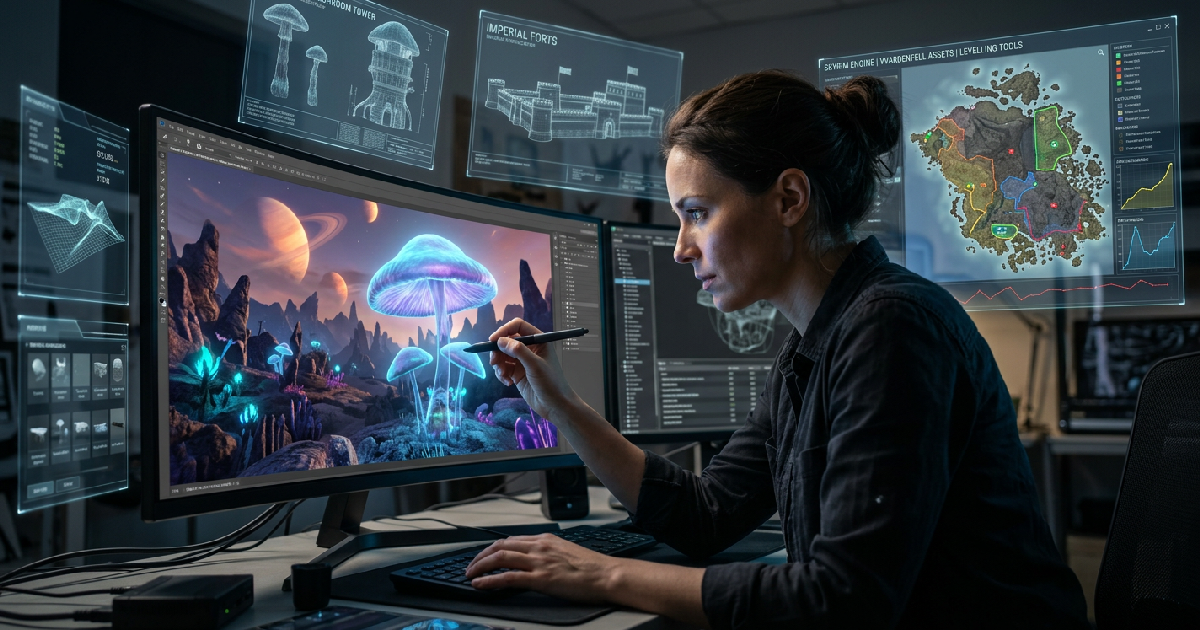
The development team behind Skywind, a massive fan-led project aiming to recreate The Elder Scrolls III: Morrowind within the Skyrim engine, has released a comprehensive progress update indicating that several major regions and technical systems are approaching a finished state. According to a new video showcase and reports from the volunteer group, the vast majority of the game’s distinct regions are now nearing completion. This development marks a significant step forward for the ambitious total conversion mod, which seeks to modernize the famously unique landscape of Vvardenfell using the visual fidelity and mechanical improvements of Bethesda Game Studios’ more recent technology.
The project represents one of the most substantial community efforts in gaming history, involving hundreds of contributors since its inception. By leveraging the technology found in Skyrim Special Edition, the Skywind team has reportedly implemented deep mechanical features that were missing from the original 2011 release of Skyrim, such as layered armor and a functional spellcrafting system. These additions are designed to honor the complex RPG systems of Morrowind while maintaining the fluid combat and exploration that modern players expect. The update indicates that several major areas are essentially finished, while the treacherous Red Mountain remains one of the final significant hurdles in the world-building process.
Advanced Visuals and Technical Milestones in Skywind
Recent progress reports provide a closer look at how the project is moving toward a playable reality. The 2D art department is reportedly nearly finished, shifting its focus toward the fine details that populate the world, such as environmental decals, character scars, and the vast library of in-game books. The transition to a modern engine has allowed for more than just higher resolution textures; it has enabled the team to build the vast majority of planned level kits, with only a few specific assets like the Dunmer Strongholds reportedly remaining in the 3D art category.
Building a world of this scale also requires a massive investment in character performance. While many fan projects face hurdles with voice acting, the Skywind team has reportedly recorded the vast majority of the dialogue for thousands of Non-Player Characters (NPCs). This feat was accomplished through the work of a large group of volunteer voice actors. While much of this audio is currently undergoing mixing and mastering, the sheer volume of recorded content suggests the narrative foundation is firmly in place. While players wait for this classic to return, some may look toward other hardware shifts, as Sony raises PS5 prices in response to global economic shifts, further cementing the PC as a primary home for massive community-driven projects.
Systems Coding and Combat Enhancements
Beyond the visuals, the coding team has worked to restore features that were staples of the 2002 original but absent in later Elder Scrolls titles. This includes underwater combat, which is expected to support ranged attacks and magic, alongside a revamped class system for NPCs. The team has also implemented advanced trap mechanics and throwing weapons to ensure the gameplay variety mirrors the diversity of the world itself. Navmeshing—the process of teaching NPCs how to navigate the 3D environment—is also reportedly in an advanced state, which serves as a critical metric for a stable open-world experience.
The soundscape is also receiving a complete overhaul to avoid licensing complications. Since the team cannot use the original Morrowind soundtrack, composers have produced a massive library of new musical tracks inspired by the original score. These tracks are expected to be supplemented by music from the Skyrim Dragonborn DLC. For those tracking broader industry trends, the dedication of these volunteers stands in contrast to the volatility of the commercial sector, where reports that BitGo records Q4 loss highlight the financial pressures often absent in passion projects.
Human-Led Development and the Road Ahead
One of the most notable stances taken by the Skywind team is their refusal to use generative Artificial Intelligence (AI) in the creation of the mod. In an era where AI tools are becoming common for asset generation and voice synthesis, the developers emphasize that Skywind remains a human-driven labor of love. They argue that outsourcing the creative process to AI would undermine the craftsmanship that the project was founded to celebrate. Every piece of clothing, every line of dialogue, and every environmental asset is being placed or created by an individual contributor.
While the team has not yet set a definitive release date, the level of polish shown in the latest update suggests the project is moving through the final stages of production. Once the core game is released, the group reportedly plans to move on to the official expansions. For now, the focus remains on closing the remaining gaps in the 3D asset library and finishing the quest testing phases, with hundreds of planned quests reportedly having already moved through initial quality assurance passes. This level of transparency is rare for community projects, which often struggle with the final phases of development. However, the structured approach taken here mirrors the strategy seen in other major tech pivots, such as when the Epic Games Store shifts strategy to target mobile users globally.
For players who grew up with the original Morrowind or those who only know the series through Skyrim, this project offers a bridge between generations. It provides a way to experience the unique landscapes of Morrowind without the dated combat mechanics of the early 2000s. The team continues to seek volunteers for their final push, specifically looking for 3D artists and dialogue editors to help finalize the remaining clothing assets and voice work. As it stands, Skywind is positioning itself as potentially the definitive way to play a landmark title in RPG history.