

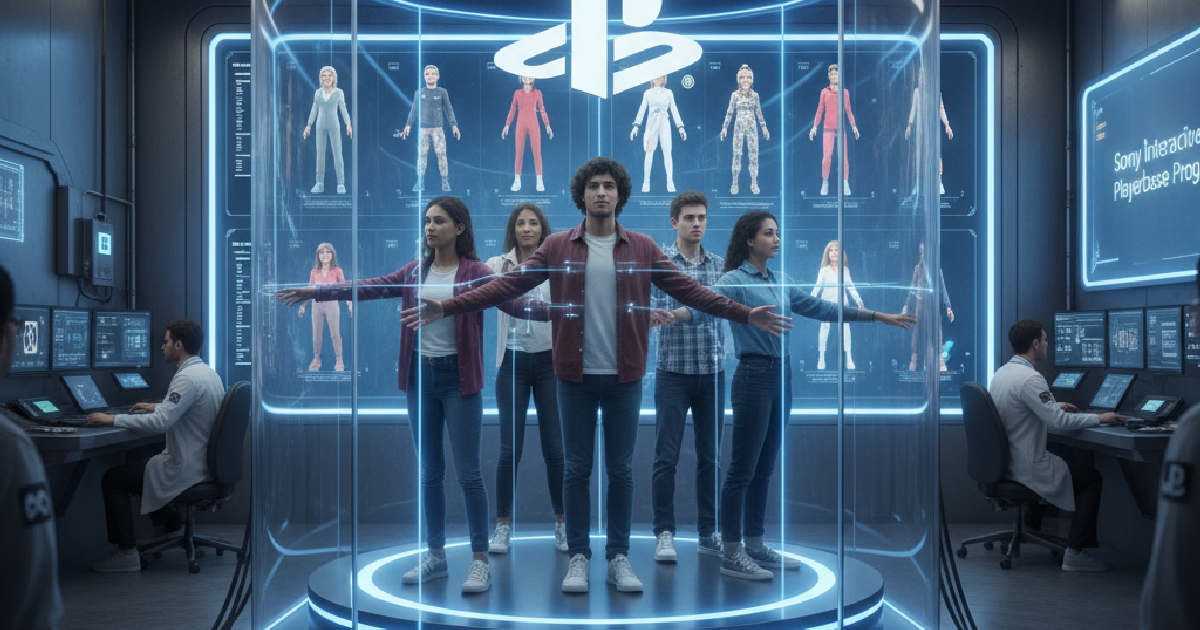
PlayStation fans scanned for new Sony game initiative
Sony is reportedly preparing to launch an ambitious new Playerbase Program, a move that could fundamentally reshape how PlayStation fans interact with their favorite virtual worlds. Sources indicate the initiative aims to scan loyal console users directly into forthcoming game titles, potentially transforming players from mere spectators to genuine in-game participants. It’s an intriguing prospect that signals a deeper push into immersive experiences, moving beyond traditional character creation tools.
This isn’t just about custom avatars; it’s about actual, recognizable fans appearing within the digital environments they frequent. Imagine seeing yourself, or perhaps a friend, populating the stands of a virtual stadium or even walking the streets of a bustling in-game city. For years, game developers have strived to bridge the gap between players and the narrative, but this program could shrink that distance considerably. It feels like a natural evolution for a company that’s long championed innovation in gaming, pushing the boundaries of what’s possible on its hardware.
Redefining Player Immersion and Engagement
The implications for player immersion are profound. By literally placing segments of its dedicated fanbase into the games, Sony could foster an unprecedented level of connection. Gamers often fantasize about being part of the stories they play, and this program seems designed to tap directly into that desire. It’s a clever way to deepen engagement, creating a sense of ownership and personal stake that standard NPC models simply can’t replicate. We’ve seen other platforms constantly evolving their distribution and content strategies, with Epic Games Store, for instance, pivoting its mobile platform strategy, but Sony’s move focuses on user integration at a very personal level.
For the PlayStation ecosystem, this could be a major differentiator. In a market where console exclusivity and graphical fidelity are often the battlegrounds, offering players a chance to literally become part of the game world could prove to be a powerful draw. It’s a testament to the idea that true innovation often lies in enhancing the player’s personal experience, not just in raw processing power. And it’s not just about static appearances; the program could potentially allow for dynamic roles or even narrative integration, though specifics remain under wraps.
The Technical and Ethical Hurdles Ahead
Of course, such an ambitious undertaking comes with its own set of technical and ethical challenges. High-fidelity 3D scanning technology has advanced significantly, but integrating thousands, or even millions, of unique player models into a game world without compromising performance is no small feat. Developers will need robust pipelines for data acquisition, processing, and optimization. There’s also the question of ensuring consistent visual quality across a diverse range of player scans. It’s a complex logistical puzzle that will demand significant resources and expertise.
Then there are the ethical considerations. Privacy and data security will undoubtedly be paramount concerns. Players will need clear assurances about how their biometric data is stored, used, and protected. Consent mechanisms will have to be transparent and comprehensive. What about intellectual property rights? If a player’s likeness is used in a game, what are the terms of that usage? These are not trivial questions, and Sony will need to navigate them carefully to maintain player trust. The potential for misuse, however small, always exists when personal data is involved, and the company will need to be ahead of these discussions.
Impact on Game Development and Industry Trends
This program could also significantly impact game development workflows. Studios might need to adapt their design philosophies to accommodate a more dynamic and player-centric approach to character assets. It could open up new avenues for community events, where participation in the scanning program itself becomes a highly sought-after experience. Imagine limited-time scanning opportunities tied to major game launches or anniversaries.
The broader industry will undoubtedly be watching closely. If successful, Sony’s Playerbase Program could set a new benchmark for player engagement, potentially inspiring other developers and platform holders to explore similar initiatives. It aligns with a growing trend towards user-generated content and community involvement, though Sony’s approach seems to take it to an entirely different level of integration. As we see more titles making their way to broader audiences, with some even seeing PC releases before hitting other platforms, the focus on unique platform features like this could become increasingly important for console manufacturers.
For players, the prospect of literally seeing themselves in a game is undoubtedly exciting. It moves beyond the passive consumption of entertainment into something more personal and interactive. While the full scope and technical details are still emerging, Sony’s Playerbase Program appears poised to offer a fresh perspective on player interaction and could very well mark a new chapter in the ongoing quest for ultimate gaming immersion on PlayStation.
The success of this program will hinge on Sony’s ability to execute it flawlessly, both technically and ethically. But if they can pull it off, it won’t just be a win for PlayStation; it could redefine what it means to truly