

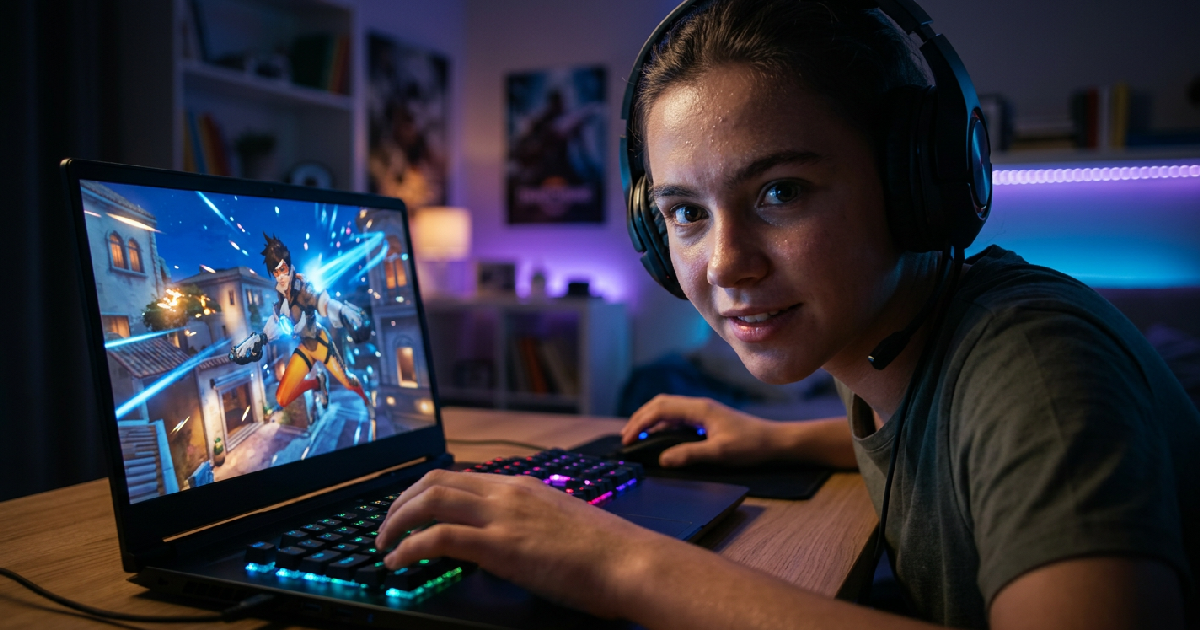
Overwatch system requirements remain accessible for modern PC players
Blizzard Entertainment continues to prioritize accessibility for its flagship hero shooter, as the latest reports on Overwatch hardware compatibility suggest the game remains playable on a wide range of PC configurations. Despite years of engine refinements and consistent content additions, the title maintains a remarkably low barrier to entry. This approach allows the game to run on older hardware and emerging portable devices, ensuring the player base stays broad and the matchmaking pools remain deep.
The philosophy behind these modest requirements is simple: competitive integrity relies on high performance across the board. By optimizing the game for older components, Blizzard ensures that even players without the latest high-end rigs can maintain the frame rates necessary for professional-level play. While the game’s visual effects and lighting have seen upgrades, the core architecture is reportedly designed to favor responsiveness and speed over raw graphical intensity.
For players looking to enter the competitive ranks, meeting these hardware standards is considered the bare minimum. Low system latency and smooth frame delivery have become the expected standard in the hero shooter genre. As gamers monitor the global capital flow update for various assets to plan their next hardware purchase, Overwatch remains a title that does not immediately demand a total system overhaul.
Hardware shifts and performance expectations
The threshold for running the game is notably forgiving compared to contemporary AAA releases. Sources indicate that the game can still operate on hardware that is several generations old, including older dedicated graphics cards and entry-level processors from previous eras. This compatibility extends to various budget-friendly components, though users should expect to make trade-offs in visual settings to maintain steady performance during intense team fights.
System memory remains a critical factor for long-term stability. While the game reportedly functions on systems with relatively low RAM, industry observers suggest that having a bit more than the absolute minimum can prevent performance drops during extended sessions. As the game continues to evolve, keeping track of new game arrivals on PC via Steam can help players gauge how their current setup compares to the modern market standard.
To achieve a higher level of performance suitable for ranked gameplay, stepping up to mid-range processors and graphics cards from the last few years is generally recommended. These more modern components are expected to provide a much smoother 1080p experience. A dependable setup ensures that the fast-paced action and colorful visual cues from hero abilities do not lead to stuttering or input lag, which can be the difference between a win and a loss in a high-stakes match.
Storage demands and the impact of frequent patches
One of the most noteworthy requirements in the current gaming landscape is the shift toward faster storage solutions. While the game is expected to take up a substantial amount of space on a drive, the specific focus has shifted toward drive speed rather than just capacity. Analysts suggest that moving the game to a Solid State Drive (SSD) is becoming almost mandatory for those who want to avoid delays in asset loading or initial character rendering when entering a match.
Players also need to stay mindful of the game’s growing footprint. With seasonal content cycles arriving throughout the year, regular patches can introduce significant amounts of new data. These updates reportedly vary in size but frequently require players to keep a buffer of free space to accommodate installation. This trend of expanding file sizes is a standard challenge for modern platforms, similar to how the Epic Games Store is changing its mobile strategy to better manage the delivery of large-scale content and frequent updates to its library.
Handheld optimization and mobile playability
The emergence of powerful handheld gaming PCs has forced a new perspective on hardware optimization. Reports suggest that portable devices are increasingly capable of delivering a competitive experience on the go, provided the user has a stable internet connection. Many of these devices can reportedly handle the game at respectable frame rates by utilizing internal scaling tools, which balance resolution against performance to keep the action fluid on smaller screens.
For those using handhelds or older laptops, the resolution scaling feature in the settings menu is often the most effective tool for performance tuning. By adjusting these settings, players can prioritize clarity for fast-moving targets without taxing their hardware beyond its limits. This ensures that the high-speed movement of specific heroes remains manageable even on systems that do not meet the highest recommended hardware tiers. Overall, the game’s ability to scale across vastly different levels of hardware remains one of its strongest technical assets.