

Mouse: P.I. for Hire Review: A Bold Achievement on Switch 2
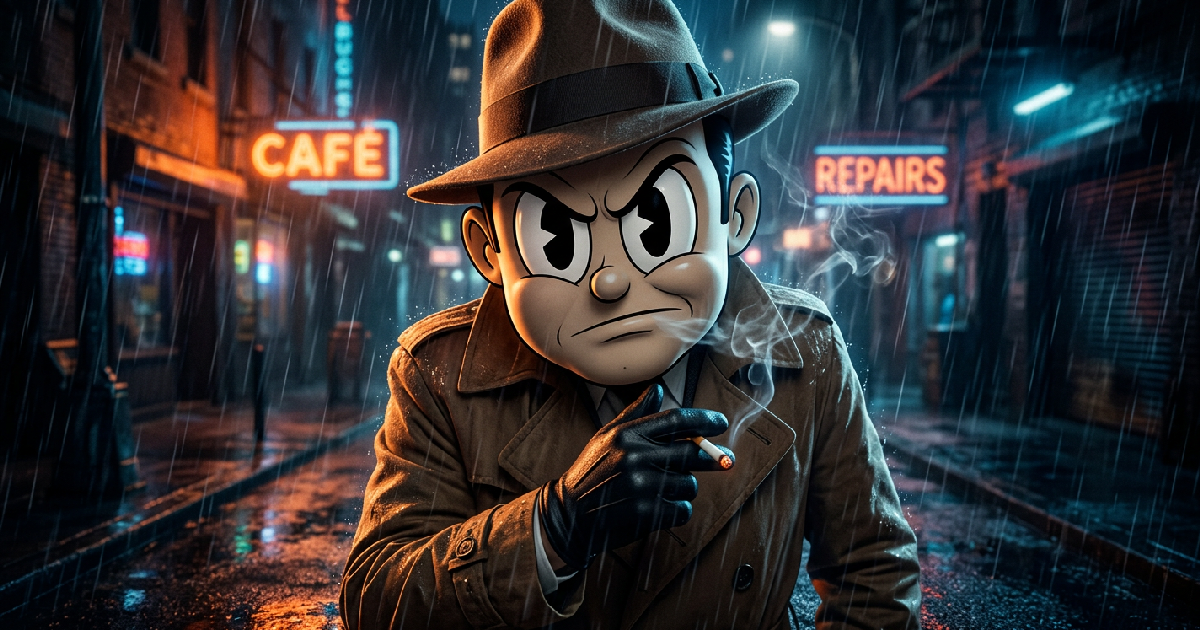
The Nintendo Switch 2 recently welcomed one of its most visually distinct titles with the arrival of Mouse: P.I. for Hire, a first-person shooter that successfully bridges the gap between rubber-hose animation and gritty noir storytelling. Developed by Fumi Games, the project reportedly made its debut this season, offering a gameplay loop that draws heavy inspiration from the 1930s aesthetic popularized by early Disney and Fleischer Studios. Players step into the role of private investigator Jack Pepper as he navigates a city plagued by corruption, using a variety of weapons and cartoon-inspired physics to battle organized crime groups of rodents.
For a console still building its library, Mouse: P.I. for Hire acts as a technical showcase for Nintendo’s hardware. The art style effectively hides some of the processing demands, but the fluid character movements and detailed environments suggest a high level of optimization. The development team appears to have moved beyond the initial viral buzz of the visual style to deliver a mechanical shooter that feels heavy and responsive. This focus on polish allows the game to stand out in a market where Epic Games Store is expanding its mobile presence and cross-platform competition is intensifying.
Jack Pepper’s exploration of the monochrome underworld is more than a simple tribute to history. The game features a power-up system involving spinach—a nod to classic cartoons—which provides temporary boosts to the player’s strength. This blend of whimsical abilities and “boomer shooter” mechanics creates a specific rhythm that prevents the campaign from feeling repetitive. Fumi Games seems to have prioritized tight controls and atmospheric consistency to ensure the title appeals to both casual fans of the art style and hardcore FPS enthusiasts.
Mechanical Depth and Nintendo Switch 2 Performance
The combat in Mouse: P.I. for Hire carries a surprising amount of weight. Every tool in the arsenal, from standard firearms to more eccentric explosive devices, is designed with a specific tactile feel. Headshots trigger exaggerated animations where enemies react in classic cartoon fashion, such as hats flying off or eyes bulging. This attention to detail transforms the game from a visual experiment into a legitimate entry in the shooter genre.
Level design encourages players to explore non-linear paths through back alleys and dimly lit jazz clubs. Pepper utilizes several gadgets, including a grappling hook that integrates into platforming sections. The Switch 2 handles the transitions between fast movement and gunplay effectively, maintaining a stable experience that is critical for a game relying on precise animation cues. Much like how the latest games arrive on Steam before branching to other systems, having a high-performing version of this title on Nintendo’s hardware provides a strong incentive for early adopters of the console.
Balancing Noir Tone and Cartoon Absurdity
Fumi Games manages a difficult balancing act with the game’s narrative. The story is presented with the seriousness of a classic noir film, featuring crooked officials, industrial villains, and a cynical protagonist. But because the entire cast consists of hand-drawn mice and rats, the somber dialogue often contrasts sharply with the visual absurdity. This irony serves as a core strength, allowing the title to function as both a functional FPS and a stylistic parody.
The audio experience reinforces this atmosphere with a dynamic big-band jazz score that scales with the action on screen. When combat intensifies, the brass sections swell to create a chaotic environment that fits the “rubber-hose” visuals. For gamers who might be looking for a departure from current volatile trends in the digital markets, the structured, rhythmic chaos of this jazz-fueled shooter offers a very different kind of engagement.
Technical Execution and Hardware Integration
Performance remains a primary focus for titles on the Switch 2, and Mouse: P.I. for Hire appears to run at a resolution that keeps the hand-drawn outlines sharp. Maintaining high contrast is vital for this art style, as blurred edges would diminish the 1930s aesthetic. The lighting system is notably effective, using deep shadows to define the noir feel across various environments.
The game also utilizes the updated haptics of the new hardware. Different weapons produce varying vibration patterns, and melee interactions carry a physical sensation through the controllers. These subtle features help the 2D-inspired characters feel more integrated into the 3D environments. By focusing on these platform-specific strengths, the developers have created an experience that feels tailored to the modern handheld console.
As the year moves forward, the reception of Mouse: P.I. for Hire is likely to influence how other indie developers approach experimental art styles in the FPS genre. It demonstrates a clear interest in titles that prioritize a cohesive artistic vision over photorealism. Jack Pepper’s introduction to the gaming world stands as a significant milestone for “rubber-hose” animation in interactive media, setting a standard for future projects in this niche.