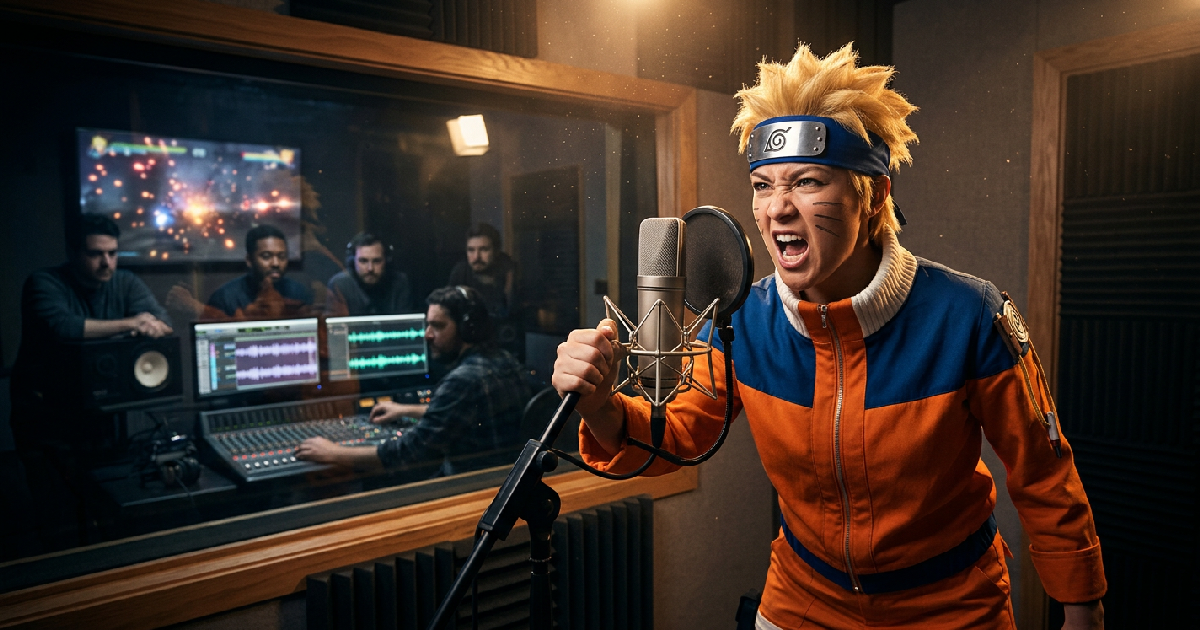
Maile Flanagan, the voice actress who portrays Naruto Uzumaki, has indicated that voicing the character for video games presents a much greater physical challenge than the animated series. During an appearance at an expo in Las Vegas, the actress discussed the heavy demands of the gaming industry, describing the recording sessions as a high-intensity process that requires extreme vocal stamina. This shift in intensity reportedly comes from the sheer volume of lines and the repetitive nature of vocalizations required for interactive media.
The actress has been the voice of the iconic ninja for a long period, following the character’s progression from a young orphan to a leader and father. While the anime provides opportunities for narrative depth, the gaming format often demands a continuous “full throttle” energy level. According to reports from the event, these sessions can involve recording thousands of individual lines for a single project, a workload that can be significantly more taxing than a standard episode of the show.
The Physical Toll of Game Vocalizations
A major part of the difficulty in game recording involves “efforts,” which are the non-dialogue sounds of combat like grunts, yells, and reaction noises. The actress reportedly finds these sessions draining because she must simulate various combat scenarios repeatedly. These recordings are often required to be fresh for each new project, reportedly due to specific licensing and platform requirements that prevent the reuse of older audio files.
The scale of these gaming projects is substantial, with some titles reportedly featuring thousands of distinct lines of dialogue and vocalizations. This workload remains consistent even as technology evolves. While
Sony increases PS5 prices and hardware becomes more advanced, the vocal demands on performers for legacy franchises like this one show no sign of decreasing.
Adapting Naruto for a New Generation
The actress also touched on how the character has evolved during the later stages of the franchise, particularly in the era focused on Naruto’s son. Seeing the character transition into a father figure has been a unique experience, requiring a shift in performance to reflect a more mature and sometimes weary leader. This evolution has allowed the actress to showcase a different side of the character, moving away from the exuberant shouting of the earlier years.
The transition to an older version of the character reportedly involved a change in vocal tone to reflect his new responsibilities. This long-term commitment to a single role is rare in the industry. As the
Epic Games Store grows its mobile platform and more titles feature high-quality voice acting, the value of seasoned performers who can maintain character consistency over many years has become increasingly clear.
The Practice of Cold Reading in Anime
English dubbing for major franchises often involves a technique called cold reading. The actress mentioned that she frequently sees the scripts for the first time when she enters the recording booth. This method reportedly keeps the performance spontaneous, as she discovers major plot developments and character outcomes at the same time as the viewers. This practice is common even as a major
game arrives on PC via Steam and other digital storefronts with simultaneous global launches.
This spontaneous approach has been a staple of the industry for many years. When the actress first began her career, anime was often viewed as a niche market by major talent agencies. Today, it has become a massive global phenomenon, with voice actors frequently headlining major conventions. Despite the physical exhaustion that can come from a grueling schedule involving thousands of lines for a single title, the actress appears committed to the role for the foreseeable future, ensuring the character’s signature energy remains a fixture in the gaming world.