

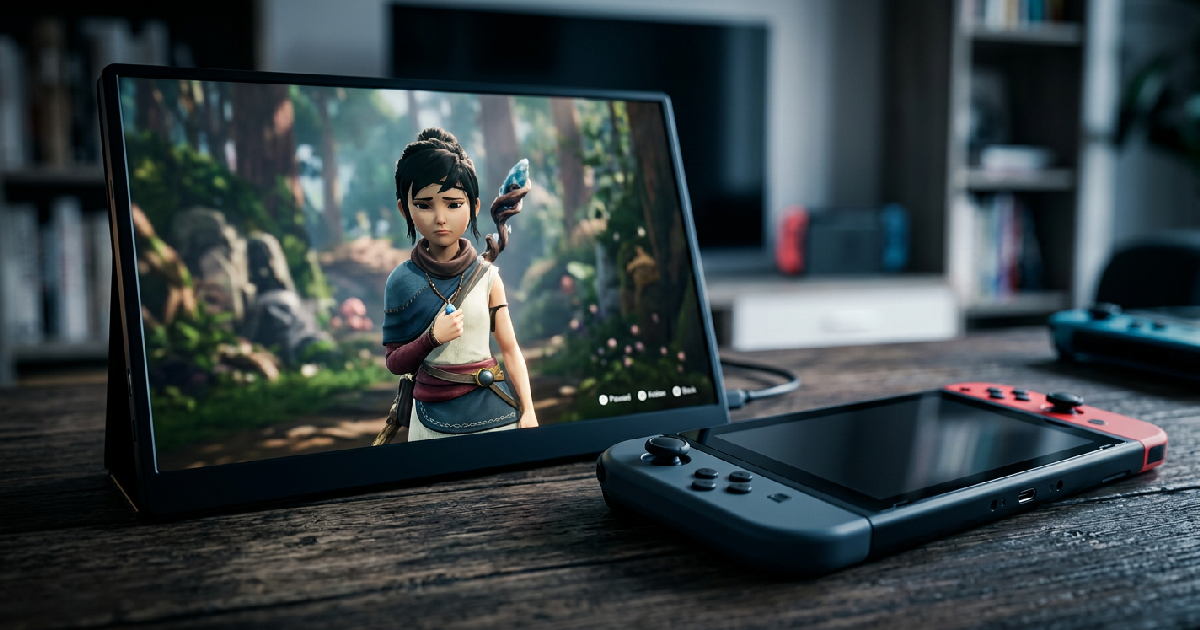
Ember Labs Reportedly Scraps Kena: Bridge of Spirits for Original Switch
The developer Ember Labs has reportedly halted its efforts to bring the action-adventure title Kena: Bridge of Spirits to the original Nintendo Switch. Reports indicate that the studio successfully built a functional version of the game on the aging hardware, but the project was eventually sidelined due to performance concerns. Sources suggest that the development team felt the final product did not meet the necessary quality standards for visual fidelity and gameplay stability, leading to a pivot toward more capable hardware.
The decision highlights the increasing difficulty independent studios face when porting high-fidelity titles to older architecture. While early efforts were made to optimize the experience, the studio reportedly found that maintaining a consistent experience required compromises that would have fundamentally altered the game’s distinctive aesthetic. In a market where Sony raises PS5 prices and hardware costs continue to fluctuate, developers are becoming more selective about where they deploy their resources.
Technical Barriers on Aging Hardware
Kena: Bridge of Spirits is widely recognized for its high-quality animation and dense environments. These elements reportedly proved difficult to translate to the Nintendo Switch’s internal processor without significant visual downgrades. Industry insiders suggest that while a version of the game was running internally, the balance between screen resolution and a reliable frame rate was never fully achieved.
Reports indicate that a commercial release would have required a massive overhaul of the game’s art style. The studio apparently felt that reducing the quality of the assets to fit the hardware would have stripped the title of its identity. This cautious approach mirrors broader industry movements where certain titles arrive on PC via Steam or other high-power platforms first to ensure they are presented in their best possible form before hardware limitations are considered.
Prioritizing the Player Experience
A major factor in the decision was reportedly the impact of hardware limitations on the game’s core mechanics. Kena: Bridge of Spirits features precision-based combat and platforming that require responsive controls. Internal testing supposedly revealed that when the visual clarity was pushed to an acceptable level, the game suffered from performance dips.
The studio reportedly described the resulting gameplay as frustrating for players, as the fluctuations in performance made the world feel less responsive. This outcome was deemed unacceptable for a title that relies heavily on its atmosphere and movement. While some developers have successfully launched ports on the platform, Ember Labs appears to have decided that a compromised version would do more harm than good to the game’s reputation.
Looking Toward Next-Generation Nintendo Platforms
With the original project reportedly mothballed, the studio is expected to focus its attention on future Nintendo hardware. The anticipated capabilities of a successor console would allow the team to bring the game to a mobile audience without the technical debt associated with the current system. This strategy reflects a growing trend among developers who are waiting for more robust infrastructure to support their creative visions.
The focus on stability and high-end performance is a recurring theme across the digital landscape. Even in the financial technology sector, where market liquidations and volatility can disrupt growth, the demand for reliable infrastructure is paramount. For Ember Labs, waiting for a more powerful console reportedly represents the best path forward to ensure the game remains a polished experience.
Protecting the Artistic Integrity of Kena
By choosing not to release a downgraded port, the studio is effectively prioritizing its long-term brand over immediate sales. The consensus within the studio reportedly favored a delay or a platform shift over a “lesser experience” that could tarnish the game’s legacy. Although a functional build for the original Switch may exist on the company servers, it is unlikely to see the light of day.
Player reactions to these reports have generally been understanding, with many noting that a high-quality portable version is worth the wait. As the industry anticipates the transition to Nintendo’s next platform, Ember Labs’ decision may serve as a blueprint for other developers facing similar technical hurdles. Maintaining the visual and mechanical heart of a game often requires making difficult choices regarding hardware compatibility.