

Alysa Liu Figure Skating Routine Inspired Emote Joins Fortnite Icon Series
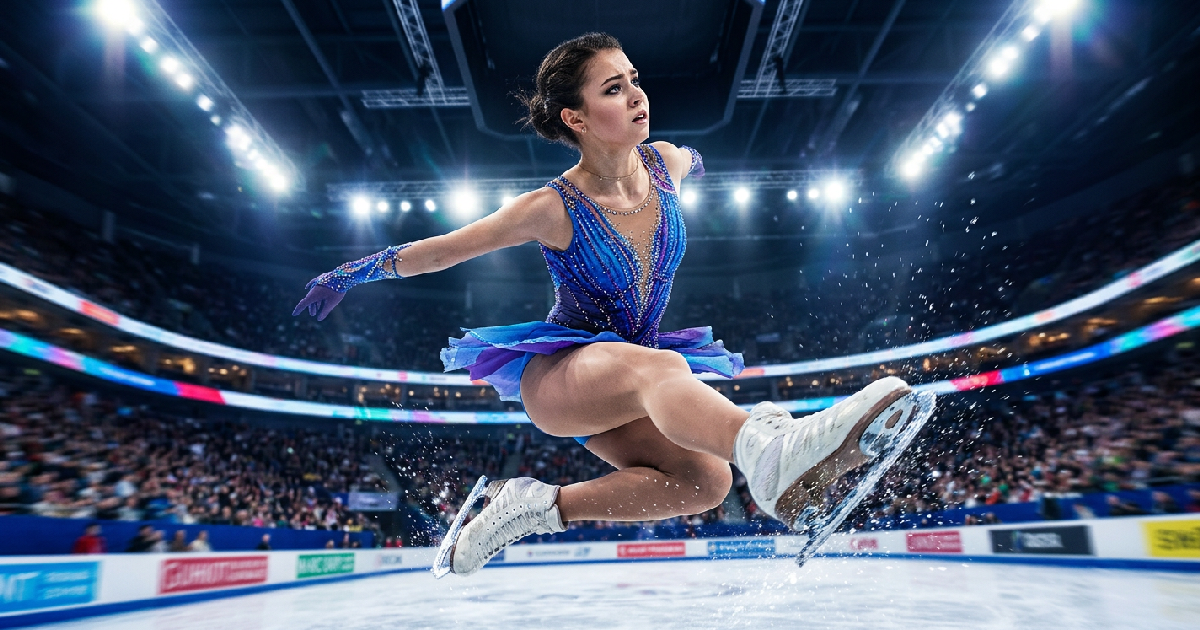
Fortnite has reportedly expanded its Icon Series roster once again, this time drawing inspiration from the world of professional figure skating. Reports indicate that Epic Games has introduced a new emote that draws heavily from the technical routines of American skater Alysa Liu. This addition represents a rare bridge between winter sports and the digital battle royale environment, allowing players to perform complex skating-inspired movements within the game.
The collaboration apparently stems from the intersection of social media trends and athlete engagement. Unlike larger collaborations that involve full character outfits, this release is said to focus primarily on capturing the fluidity of skating. This move aligns with broader efforts as the Epic Games Store expands its mobile and global strategy to reach diverse audiences through varied entertainment partnerships.
The inclusion of such a specialized athletic routine underscores the diversifying range of content within the game’s social space. Early feedback from the community suggests the animation mimics the posture and technical grace associated with high-level figure skating. It joins a deep library of real-world celebrations and dances that have populated the game’s shop, though it is one of the few reportedly modeled after an Olympic-level routine.
Integration of Athletic Technicality in Digital Spaces
Adapting a figure skating sequence for a third-person shooter environment reportedly required a focus on animation precision. Developers likely aimed to distinguish these movements from the more common pop-culture dances found in the game. The emote is intended to reflect a specific style of jumps and spins that have become a trademark for athletes like Alysa Liu on the ice.
This release follows a trend where developers monitor social sentiment and athlete interactions to drive new content. Rather than traditional corporate licensing alone, these “Internet-first” deals often leverage the personal brands of Gen Z athletes who are active in gaming communities. Similar to how a game arriving on PC via Steam might seek to reach new player bases, these emotes help capture niche markets by celebrating specific sports disciplines.
Evolution of the Icon Series Roster
The Icon Series has transitioned from focusing primarily on content creators and musicians to including a wider array of traditional sports figures. By incorporating a figure skating routine, the game is able to appeal to fans of niche sports that may not typically see representation in the action-gaming genre. This broadening of the roster helps maintain the platform’s status as a cultural hub for a wide demographic.
Observers suggest that authentic representation is becoming a key factor in how players interact with digital cosmetics. Keeping the storefront refreshed with recognizable athletic movements is often viewed as a strategy for player retention. The elegance of a skating routine provides a distinct contrast to the more chaotic elements of the core gameplay loop, offering players a different way to express themselves during matches.
Commercial Impact of Athlete Collaborations
From a business standpoint, digital goods tethered to real-world personalities create a dual-sided marketplace. They offer athletes a way to monetize their likeness and reach younger demographics who may not engage with traditional sports broadcasts. For the publisher, these items are often considered efficient ways to maintain social buzz without requiring the development resources of a full game expansion.
The rollout of such items typically coincides with periodic content updates. By releasing these themed cosmetics at regular intervals, the game maintains a sense of constant activity. If the reception to this skating-inspired emote remains favorable, it could lead to further exploration of winter sports within the digital economy, especially as industry players face changing market conditions that favor reliable digital revenue streams.
As digital environments continue to evolve, the demand for high-fidelity recreations of athletic feats is expected to grow. Fans no longer just look for static representations like jerseys; they seek the specific character movements that define their favorite stars. The arrival of these skating routines suggests that the future of sports content in gaming will increasingly rely on technical animation and authentic athletic partnerships.