

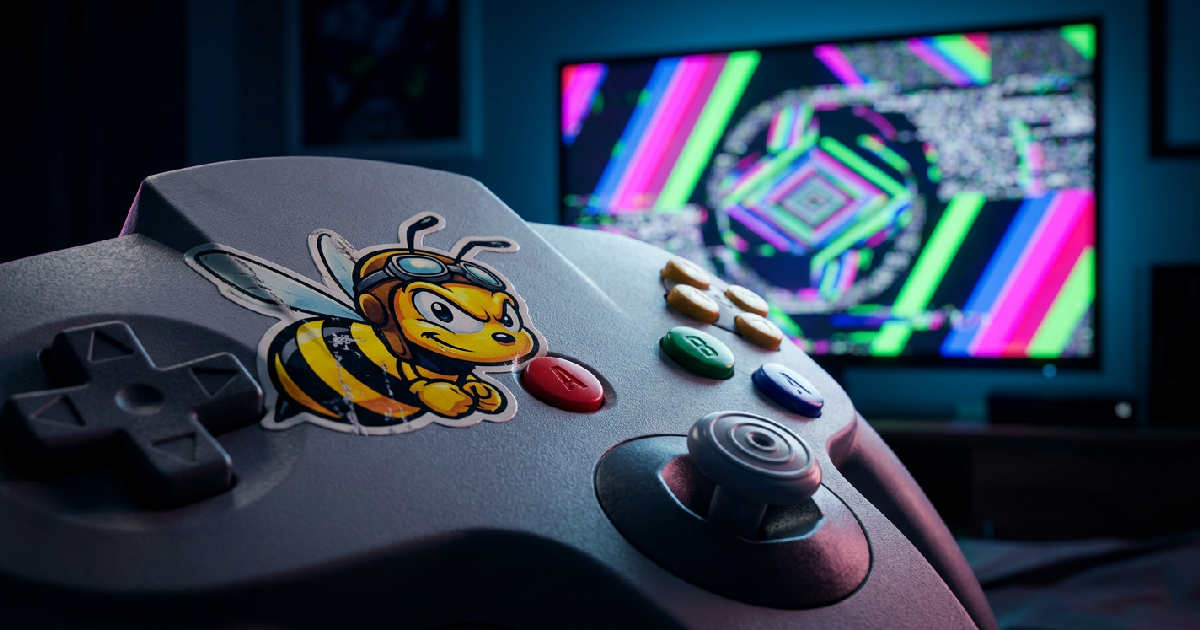
Argonaut Games Hints at Buck Bumble Return for Modern Consoles
Retro gaming enthusiasts are monitoring social media signals that suggest a revival for a cult-favorite flight-action title from the late nineties. Argonaut Games has recently hinted at a project involving the cybernetic bee known as Buck Bumble, a character that gained a dedicated following during the initial 3D gaming era for its unusual premise and electronic soundtrack.
The developer recently sparked speculation by sharing content across social media channels featuring themes associated with the game’s distinctive UK Garage audio. While specific details remain under wraps, the studio has reportedly urged fans to remain alert for upcoming announcements. For a generation of players who grew up with early 3D consoles, the return of this specific title represents more than just a port; it signifies a broader trend of preserving experimental titles that helped define the early era of polygon-based gaming.
The move comes at a time of significant shift for the industry. While hardware manufacturers navigate economic pressures — seen recently as Sony raises PS5 prices in major markets — the appeal of revitalized classics offers a different value proposition for long-time gamers.
Argonaut Games Signals Potential Revival
The speculation regarding a comeback is rooted in more than just social media teasers. Following reports of work on other classic intellectual properties, leadership at Argonaut Games has expressed an interest in revisiting the titles that helped establish their reputation during the formative years of home consoles. Buck Bumble, which was originally distributed by a third-party publisher, has long been cited by fans as a prime candidate for a modern update, especially since it has not been widely available on contemporary hardware.
In its original form, the game occupied a unique niche in the gaming market. It reportedly merged aerial combat mechanics with a “micro-world” aesthetic, where players navigated environments such as gardens and industrial pipes. This design style allowed for a perspective that was relatively rare at the time. As the digital marketplace expands, including instances where a game arrives on PC via Steam after years of platform exclusivity, the appetite for these specialized retro experiences appears to be growing.
From Niche Classic to Modern Systems
The original narrative followed a bee equipped with advanced technology as it led a resistance against mutated insect forces. While the gameplay was noted for its mission variety and specific flight physics, the game became a long-standing point of discussion in the community primarily due to its title track, which is often remembered as a standout example of contemporary music integration in that era of software.
A modern update would likely address several of the technical hurdles found in older hardware. Titles from that period were often limited by short draw distances and lower framerates. By potentially moving the title to modern consoles or subscription-based services, the developers could showcase the original level design without the hardware constraints of the past. This preservation effort is increasingly important as market shifts often lead to uncertainty regarding the availability of older physical media.
The Evolving Market for Retro Preservation
The potential return of this title comes at a pivotal moment for the retro gaming community. Collectors have seen the prices of original physical copies fluctuate significantly, making official digital re-releases a preferred path for many who wish to revisit the past. Argonaut’s strategy appears to involve focusing on “AA” tier cult hits that maintain a strong identity, rather than competing solely with modern high-budget blockbusters.
If the project moves forward, players generally expect standard modern enhancements. These typically include updated textures, more stable performance, and control schemes adapted for modern controllers that feature dual-analog sticks — a feature that was not standard on all controllers during the game’s initial release. While the studio has not yet confirmed the exact nature of the project — whether it is a full remaster or a digital emulated release — the momentum among the community is visible.
As fans wait for further official communication, the activity surrounding the property serves as a reminder that smaller, experimental games often have the longest staying power. Whether it eventually lands on digital storefronts or subscription libraries, the buzz suggests that the industry is not quite finished with the unique charm of its earlier 3D experiments.