

Indie Horror Game Amygdala: Prelude Reportedly Stuck in Stream Approval Process Over Engine Licensing
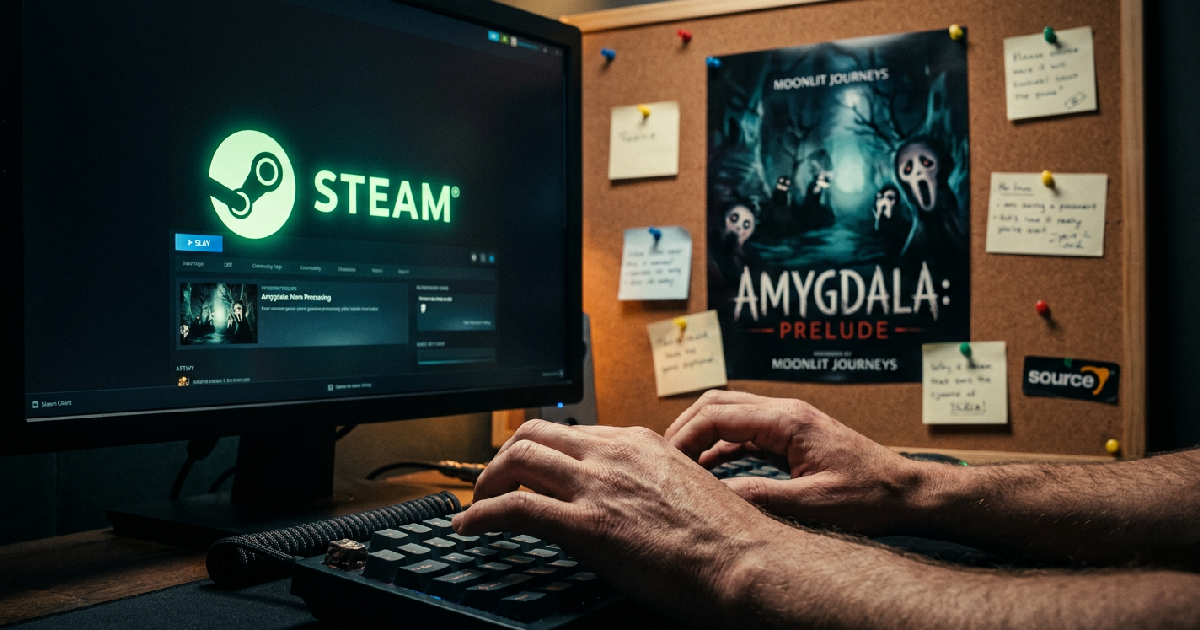
The developer of the indie horror title Amygdala: Prelude has reportedly gone public with claims that the game has been stuck in the Steam approval process for a prolonged period. Moonlit Journeys, the team behind the project, alleges that the impasse stems from a licensing dispute involving Valve’s Source engine, the proprietary technology used to build the game. Despite the project nearing completion and being prepared for an Early Access launch, the developer suggests that inconsistent communication from Valve regarding a commercial agreement has left the title in a state of limbo on the world’s largest PC gaming storefront.
Commercial licensing hurdles for Source engine titles
According to reports circulating within the independent game development community, Moonlit Journeys first attempted to navigate the publishing process for Amygdala: Prelude a considerable time ago. Because the game utilizes Valve’s Source engine—the same tech stack that powered classics like Half-Life 2—a specific commercial agreement is required to sell the product on Steam. While Valve typically allows developers to release free demos or non-commercial mods using these tools without heavy legal oversight, transitioning to a paid product requires a more rigorous vetting of licensing terms.
The developer alleges that while they have been prepared to finalize the necessary paperwork, the experience has been defined by extensive delays within Valve’s internal support channels. Reports indicate that response times have been erratic, sometimes spanning several months, which has allegedly created a cycle where submitted information becomes outdated before it can be processed. This administrative bottleneck has effectively prevented the game from moving beyond its “Coming Soon” status, even though the core development is largely finished.
This situation highlights the administrative hurdles that can impact small-scale creators. It is not uncommon for platform-specific changes to create ripples across the industry; for example, Sony raises PS5 prices in various regions whenever economic or operational pressures mount. For an indie team, these delays represent more than just a scheduling conflict; they can threaten the very viability of a project.
The impact of prolonged delays on independent studios
For Moonlit Journeys, the extended wait to clear the approval process has reportedly created a significant burden. The developers have invested a great deal of time and resources into the title without the ability to recoup those costs through traditional sales. While the game has managed to gather a following and a substantial number of wishlists, the inability to generate revenue has put the studio in a precarious position. Sources suggest that the team is facing burnout as the path to a formal release remains obscured by red tape.
The risks of developing on legacy engines
Industry observers note that choosing the Source engine for a modern indie project carries inherent risks. While the engine is celebrated for its unique physics and atmospheric capabilities, it is no longer the primary focus of Valve’s licensing efforts, which have increasingly pivoted toward Source 2. Many contemporary indie teams prefer engines like Unreal or Unity to avoid the specific commercial licensing bottlenecks that appear to have impacted Amygdala: Prelude. In a fast-moving market where market shifts in the digital sector can quickly change consumer expectations, such long-term delays risk making a game’s tech feel dated before it ever reaches an audience.
Despite the lack of a full commercial release, a free demo of the game remains accessible on the Steam store. This is possible because Valve does not impose the same strict commercial licensing requirements on free-to-play content or demos. However, the demo serves as a bittersweet showcase of the game’s distinctive creature designs and lighting, reminding fans of what could be available if the licensing deadlock is eventually broken.
Future outlook for the Steam approval process
The situation facing Moonlit Journeys has prompted a broader discussion regarding the transparency of Steam’s internal vetting procedures. Valve has long maintained a relatively hands-off management structure, which is often praised for allowing a wide variety of content to flourish but can be criticized by developers who find the support system opaque. If the issues surrounding Amygdala: Prelude persist, it may serve as a warning to other small studios considering Valve’s internal tools for commercial ventures.
As the story gains more visibility on social media and gaming forums, there is a possibility that the attention will lead to a resolution. Other developers have previously noted that public awareness can sometimes help prioritize tickets that have stalled in the system. For now, the game remains a visible presence on the store with no clear launch date. This is a stark contrast to the way many new titles arrive on PC through Steam every week, seemingly without encountering the same engine-related obstacles. Moonlit Journeys remains committed to the project, but the road to a final release depends entirely on a breakthrough in legal communications.