

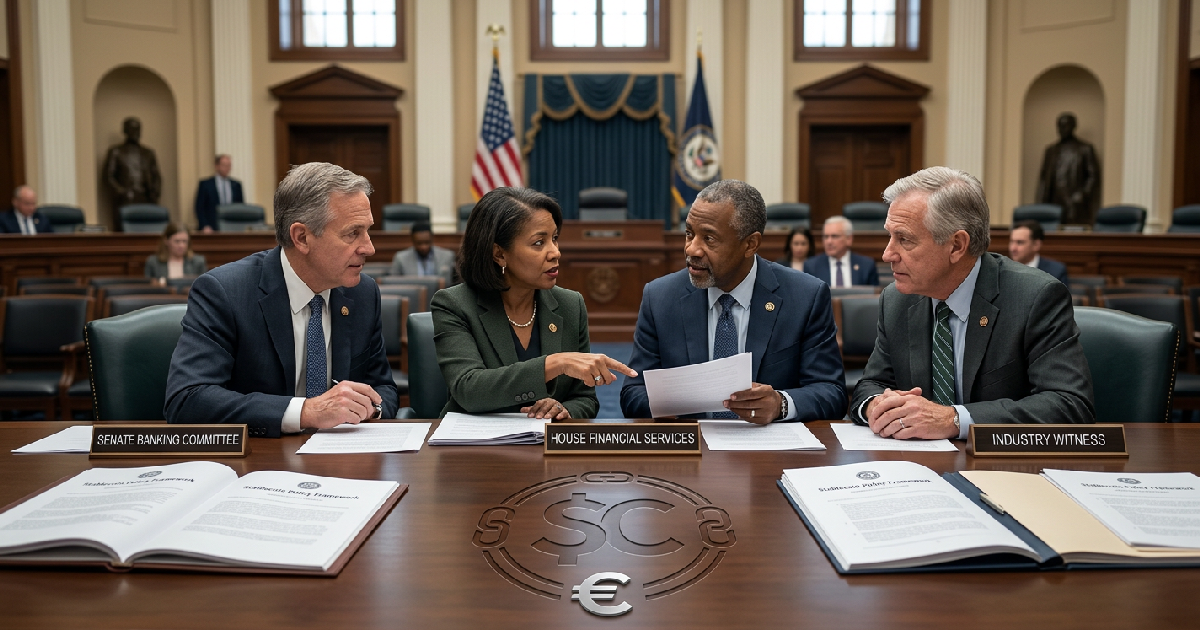
Lawmakers Return to Negotiate Critical Stakes Surrounding Stablecoin Rewards
Washington is entering a pivotal phase of negotiations as lawmakers return to Capitol Hill with a mandate to address one of the most persistent hurdles in digital asset legislation: the regulation of stablecoin rewards. The push to finalize a framework comes amid intensified efforts by congressional committees to reconcile differing views on how yield-bearing digital assets should be treated under federal law.
The Debate Over Stablecoin Rewards
The central point of contention involves the treatment of rewards programs often associated with stablecoins. These incentives, which frequently offer users a return on their holdings, have sparked a debate over whether such products should be classified similarly to traditional securities. Some legislative stakeholders argue that strict oversight is necessary to ensure retail protection, while others suggest that overly rigid definitions could hinder the development of domestic digital finance and push activity toward international markets.
Reports from those familiar with the discussions indicate that the language regarding these rewards has been subject to various adjustments. The challenge lies in creating a definition that protects participants without making it impossible for companies to offer competitive products. There is a sense among observers that leaving these programs in a legal gray area is becoming increasingly untenable for both regulators and industry participants.
Regulatory Oversight and Economic Stability
Beyond the rewards issue, the negotiations are reportedly grappling with the broader jurisdictional boundaries between federal agencies. A primary objective of the current legislative effort is to establish a clear regime for stablecoin issuers, which would likely include requirements for liquid reserves to back digital tokens. This focus on capital requirements is intended to mitigate risks that could potentially impact the broader financial system.
And while there is general agreement on the need for reserve transparency, the technical specifics of how rewards are categorized remains a sticking point. Negotiators are reportedly looking at disclosure requirements that might mirror those found in the banking or brokerage sectors to ensure that any entity offering yield on digital assets provides sufficient clarity to the public.
Pressure for a Bipartisan Path
The current environment has placed a premium on bipartisan cooperation. Given the current composition of Congress, any proposal that lacks broad support is widely seen as facing a difficult path forward. This has led to a focus on finding a compromise that balances the need for innovation with the necessity of robust consumer safeguards. Public calls for clarity from industry leaders have added to the sense of urgency, with many pointing out that other global jurisdictions are moving forward with their own regulatory standards.
But the political path remains complex. The involvement of various departments and agencies in the technical drafting of the bill reflects the high stakes involved in defining the future of American digital asset policy. The discussions are expected to continue in the coming weeks as staffers work to bridge the remaining gaps in the text.
The progression of these talks is expected to influence the direction of federal crypto policy for the foreseeable future. If negotiators are able to find common ground on the stablecoin rewards issue, it could facilitate broader agreements on other aspects of digital asset regulation, such as consumer protection mandates and agency jurisdiction. Conversely, a continued impasse would likely mean that the industry remains subject to the existing framework of judicial rulings and administrative enforcement actions.