

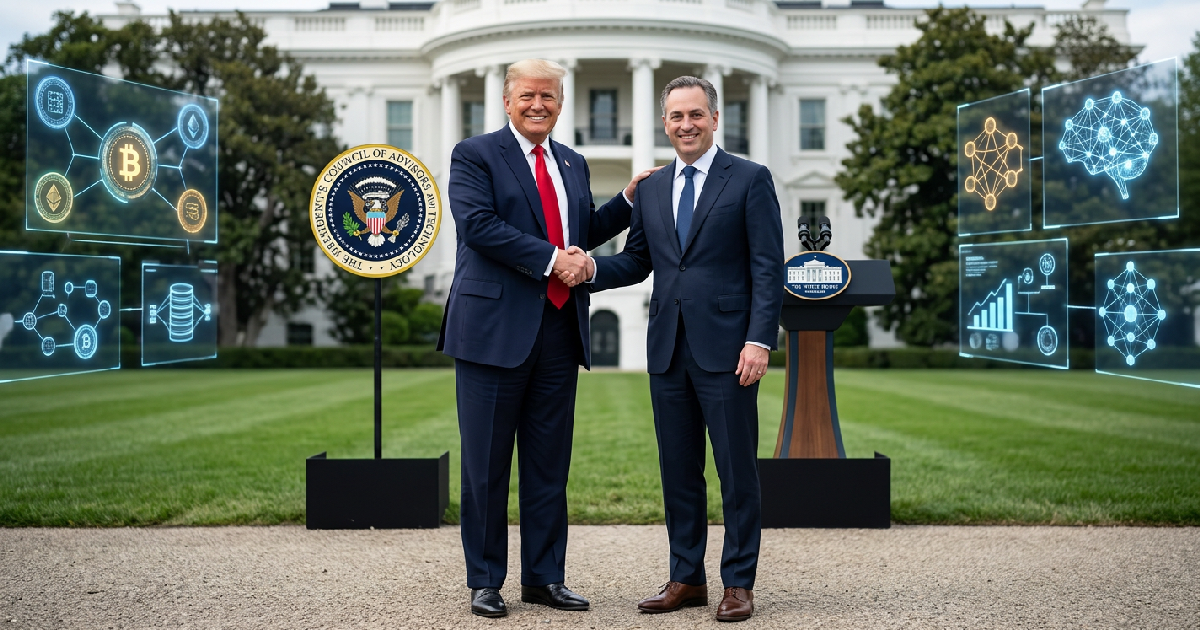
David Sacks Joins PCAST as Trump AI and Asset Drive Grows
The White House has formally appointed venture capitalist David Sacks to the President’s Council of Advisors on Science and Technology (PCAST), signaling a shift in how the administration intends to manage the intersection of Silicon Valley interests and federal policy. Sacks, a prominent figure in the “PayPal Mafia” and an outspoken critic of previous regulatory regimes, joins the council as President Trump moves to accelerate domestic investment in artificial intelligence and digital assets.
Sacks Brings Silicon Valley Skepticism to PCAST
David Sacks has long been a vocal proponent of a “hands-off” approach to tech regulation. His appointment to PCAST—a body traditionally composed of academics and research scientists—marks a departure toward a more commercial and industry-led advisory strategy. By bringing Sacks into the fold, the administration is prioritizing the views of those who believe excessive oversight has hindered American competitiveness in the global AI race.
The move is widely seen as a reward for Sacks’ early and vocal support of the current administration’s tech platform. But it also carries practical implications for the direction of U.S. technology policy. Sacks has frequently argued that the United States risks losing its edge to rivals if it continues to impose strict guardrails on emerging technologies like generative AI and blockchain infrastructure.
The Push for AI Supremacy and Digital Asset Growth
The appointment coincides with a broader executive push to deregulate the artificial intelligence sector. Trump has signaled that his “AI and Asset Drive” will focus on reducing the compliance burden for domestic firms, aiming to make the U.S. the undisputed global hub for high-performance computing. This agenda is not just about software; it extends into the financial realm, where the administration is looking to integrate digital assets more deeply into the national economy.
The administration is currently reviewing policies that would streamline the permitting process for data centers and provide tax incentives for companies developing sovereign AI capabilities. This aligns with the “Asset Drive” strategy, which seeks to treat digital tokens and high-compute infrastructure as vital components of American national security. And as the administration pivots toward these assets, market volatility remains a constant backdrop for the industry.
For those monitoring the financial side of this tech push, the market’s reaction to regulatory shifts is often telling. While some project a bullish future for digital assets under this regime, others remain cautious about the long-term stability of the sector. For instance, analysts project diverging paths for XRP value by 2030, highlighting that even with political tailwinds, technical and market-driven hurdles remain.
Implications for the Federal Tech Roadmap
The inclusion of David Sacks on PCAST is likely to ruffle feathers within the established scientific community. Critics argue that the council should remain focused on objective scientific inquiry rather than venture capital interests. However, supporters of the move claim that the “ivory tower” approach to tech policy has failed to keep pace with the rapid developments in the private sector.
The President’s agenda involves a “Manhattan Project” style effort for AI, which requires massive capital deployment and a favorable regulatory environment. Sacks, with his deep ties to founders and investors, is positioned to act as a bridge between the White House and the tech moguls capable of funding such an expansion. The goal is clear: ensure that the next generation of foundational models and financial protocols are “Made in America.”
The Road Ahead for Tech Policy
As PCAST begins its new term with Sacks on board, the first order of business will likely be a comprehensive audit of existing AI executive orders. Industry insiders expect several of the more restrictive measures from the previous administration to be rolled back or significantly modified. This will be paired with a renewed focus on “energy abundance”—a key requirement for the power-hungry data centers that sustain AI development.
Whether this aggressive push will pay off in the long run remains a subject of debate. While the administration is focused on growth, the broader financial world is still grappling with the maturation of these technologies. As the digital asset industry faces its final test for global utility, the decisions made by this newly shaped PCAST will carry weight far beyond the walls of the Oval Office.
Frequently Asked Questions
What is the primary role of David Sacks on PCAST?
Sacks will serve as a key advisor to the President on how to align federal policy with the needs of the technology industry. He is expected to focus on deregulation, incentivizing domestic AI development, and integrating digital assets into the broader economic framework.
How does the Trump AI and Asset Drive impact the average consumer?
The administration argues that by reducing regulations, the U.S. will see faster innovation, more high-tech jobs, and better consumer products. However, some advocates warn that less oversight could lead to issues regarding data privacy and the ethical use of AI systems.
Will this appointment change established science and technology goals?
It likely shifts the priority from pure research toward commercial application. While PCAST will still handle traditional scientific issues, the addition of a venture capitalist like Sacks suggests the administration is placing a higher premium on “market-ready” technologies and economic competitiveness.