

Crypto PACs ramp up spending on US digital asset legislation
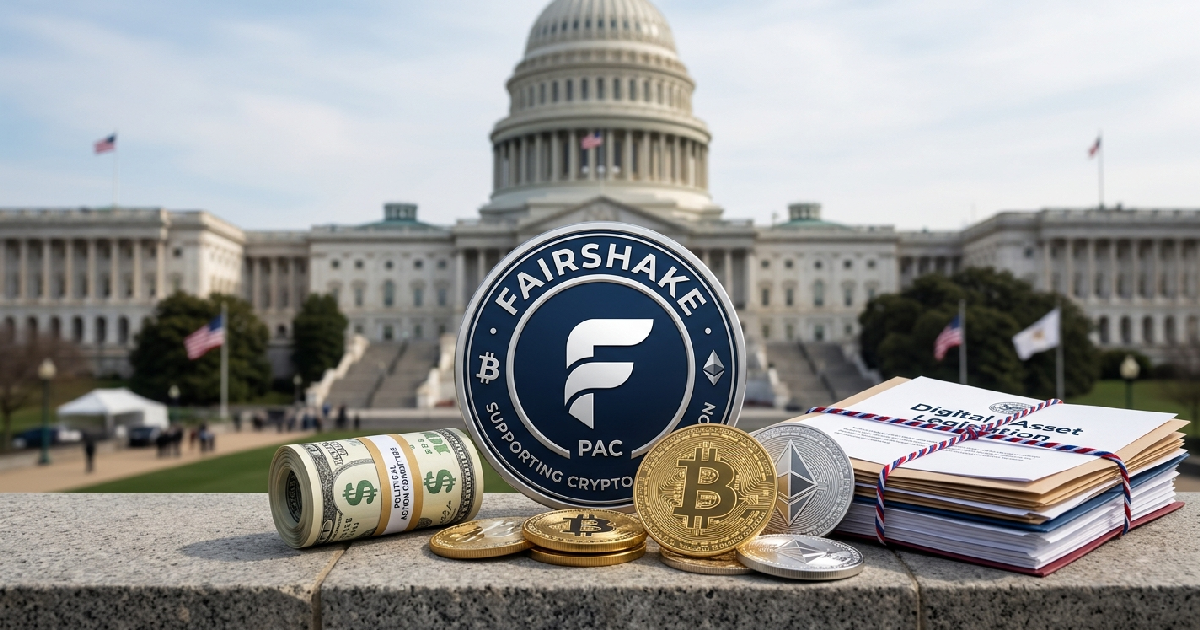
The push for clear digital asset rules in Washington has entered a high-stakes phase as industry-backed political action committees (PACs) ramp up pressure on Congress. With the 2026 legislative calendar tightening, a coalition of well-funded crypto PACs is now funneling resources toward specific lawmakers, aiming to break the long-standing deadlock over how tokens and stablecoins are regulated internally within the United States.
This surge in lobbying and campaign spending comes at a time when the industry is desperate for legal certainty. For years, firms have complained about “regulation by enforcement,” but those complaints are now being backed by a war chest that rivaling traditional finance sectors. The focus isn’t just on general support for crypto; the goal is to drive the passage of comprehensive frameworks that define exactly which agency—the SEC or the CFTC—has the final word on digital assets.
The shift from awareness to specific legislative targets
Early crypto advocacy was largely about educating staffers on what a blockchain actually does. That era is over. Today, organizations like Fairshake and other leading PACs are operating with the precision of a Wall Street lobbying firm. They are targeting committee chairs and influential swing votes who hold the keys to bills like the FIT21 Act or new stablecoin oversight proposals.
The timing is particularly sensitive. With the New Clarity Act potentially blocking interest payments on stablecoins, the industry is fighting to ensure that any new laws don’t inadvertently stifle the business models of major US issuers. The strategy is clear: reward candidates who favor “pro-innovation” guardrails and aggressively oppose those who view the sector through a strictly adversarial lens.
But it’s not just about writing checks. These PACs are leveraging a growing voter bloc of digital asset holders who see crypto policy as a primary issue. By framing the debate around American competitiveness and the “onshoring” of tech jobs, lobbyists are finding a more receptive audience among moderate lawmakers who were previously hesitant to touch the “wild west” of crypto.
High stakes for stablecoins and market structure
At the heart of this legislative push are two main pillars: market structure and stablecoins. The industry wants a clear path to register as a digital asset exchange without the existential fear of being sued for selling unregistered securities. This is a massive task, requiring a rewrite of standard financial definitions that have existed since the 1930s.
So far, the results have been mixed. While several bills have cleared committees with bipartisan support, the Senate remains a bottleneck. PACs are currently focusing their firepower there, hoping to convince enough centrist senators that the deadline for global utility is approaching and that the US risks being left behind by frameworks already active in Europe and Asia.
Critics argue that this level of spending buys undue influence, but proponents say it’s the only way to get a seat at a table that has been dominated by legacy banking interests for decades. The reality usually sits somewhere in the middle: the money ensures that crypto is no longer a niche hobby in the eyes of the Ways and Means or House Financial Services committees.
What the 2026 landscape looks like for crypto law
The outcome of this PAC-led offensive will likely determine the “final form” of US crypto for the next decade. If they succeed in pushing through a comprehensive bill before the midterms, we could see a massive influx of institutional capital that has been sitting on the sidelines due to legal ambiguity. If the legislation stalls again, the trend of US-based firms moving their primary operations to places like Dubai, Singapore, or London will likely accelerate.
And while the focus remains on DC, the market continues to move. As utility shifts dictate the 2026 market, the gap between what is happening on-chain and what is being debated in Congress is widening. PACs are effectively trying to bridge that gap before the technology evolves past the point where the current legislative proposals are even relevant.
Frequently Asked Questions
Why are crypto PACs spending so much money right now?
They are trying to capitalize on a window of opportunity where several major crypto bills are sitting on the edge of a vote. By supporting “crypto-friendly” candidates, they hope to ensure that the next session of Congress is prepared to pass definitive laws rather than continuing the current cycle of lawsuits and uncertainty.
What is the main goal of the digital asset legislation?
The primary goal is to provide a clear legal definition for digital assets. Currently, the industry is caught between conflicting interpretations from different regulators. Legislation would clarify which tokens are securities, which are commodities, and how stablecoin issuers must be audited and backed.
How does this impact the average crypto investor?
If successful, this legislation could lead to more consumer protections and potentially more “mainstream” crypto products offered by traditional banks. However, it could also mean stricter KYC (Know Your Customer) requirements and more oversight on decentralized platforms that currently operate with minimal government intervention.