

How Crypto Collateral is Changing Forex Margin Practices
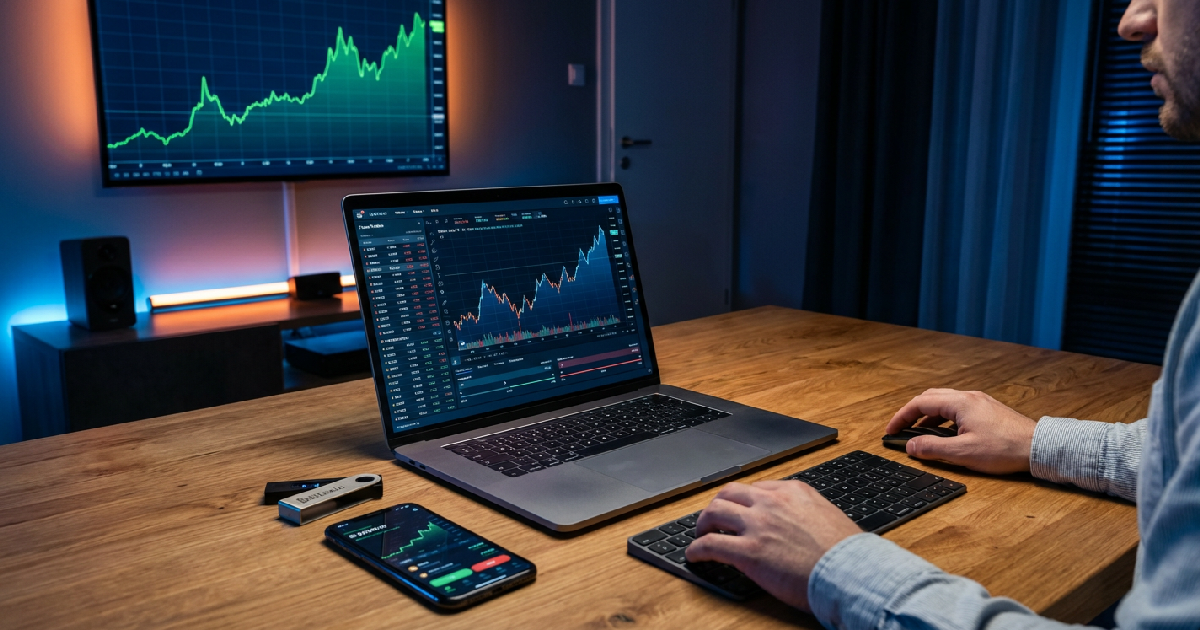
The boundary between traditional foreign exchange (forex) markets and the digital asset space is thinning as more traders move to use cryptocurrency as collateral for margin trading. This shift represents a transition from treating Bitcoin and stablecoins as mere speculative vehicles to viewing them as legitimate financial instruments capable of backing traditional fiat trades.
Historically, forex margin trading was the exclusive domain of bank transfers and credit cards. Traders move their capital through layers of intermediaries, often facing delays and fees just to fund an account. But the rise of decentralized finance (DeFi) and more flexible brokerage models has introduced a faster, albeit more volatile, method of securing leverage. Using crypto as collateral allows market participants to keep their assets within the blockchain ecosystem while gaining exposure to the trillions of dollars flowing through the global currency markets.
The Shift Toward Digital Collateral in Forex Markets
Foreign exchange markets rely heavily on margin. Because currency pairs often move only fractions of a percent in a single day, traders use leverage to amplify their positions. Traditionally, this required locking up cash in a brokerage account. Today, the ability to pledge Bitcoin, Ethereum, or stablecoins has reportedly simplified the onboarding process for a new generation of digital-native investors.
By using crypto as collateral, traders avoid the friction of converting their digital holdings back into fiat before they can trade the Euro or the Pound. This saves on exchange fees and prevents “out-of-market” time. But this convenience comes with a layer of complexity. Unlike the dollar or the yen, the value of the collateral itself can fluctuate. This creates a dual-risk scenario where a trader might lose money on their forex position while simultaneously facing a margin call because their crypto collateral dropped in value.
Market reports suggest that high volatility can quickly turn these dynamics sour. There have been reported instances where Bitcoin and Ethereum price swings impacted liquidations across various platforms, often occurring when the underlying value of the assets backing larger trades declined sharply. When the collateral value drops below required thresholds, the positions it supports are often automatically closed by the broker’s risk engine.
Improving Capital Efficiency for Global Traders
One of the primary drivers of this change is capital efficiency. Professional traders generally aim to avoid having capital sit idle. In the traditional model, capital was frequently in transit or locked in low-yield brokerage accounts. Crypto collateral moves with the speed of the blockchain, which reportedly allows for faster transfers and the potential to rebalance portfolios more efficiently.
And it’s not just about speed. The 24/7 nature of the crypto market provides a unique advantage for forex traders who operate across different time zones. While traditional banking systems might shut down for weekends or holidays, the digital collateral layer remains active. This flexibility is particularly valuable in an environment where market conditions can trigger sudden volatility, requiring traders to manage their margin requirements with greater agility.
Managing the Risks of Volatile Collateral Layers
Brokerages that accept crypto collateral have had to adapt their risk management protocols. To protect themselves, most platforms apply what is known in the industry as a “haircut” to the value of the crypto being pledged. If a trader deposits a certain amount of Bitcoin, the broker might only recognize a portion of that value as usable margin. This buffer acts as a shield against the asset’s inherent price swings.
However, during periods of extreme market stress, even these buffers can be insufficient. If a digital asset experiences a sudden and significant drop, the fallout can impact leveraged forex accounts. This is a recurring concern in the industry, often observed when Bitcoin’s price fluctuations affect crypto-linked stocks and other correlated assets. Brokers are increasingly turning to automated liquidation engines to close out at-risk positions before they reach negative equity.
Stablecoins as the Middle Ground
To mitigate the volatility of Bitcoin, many forex platforms prefer the use of stablecoins. Pegged to the US Dollar, assets like USDT or USDC provide the speed of crypto with the relative price stability of fiat. This has become a preferred method for traders who want the benefits of blockchain-based settlement without the risk of collateral decay associated with more speculative tokens. It allows the focus to remain on the forex pair being traded, rather than the health of the deposit itself.
Future Outlook for Tokenized Margin Practices
Looking ahead, the trend of tokenized collateral is expected by some analysts to expand beyond just cryptocurrencies. The industry is reportedly experimenting with tokenized treasuries and money market funds that could be used as margin. This would bridge the gap further, potentially allowing traders to earn yield on their collateral while simultaneously using it to trade foreign exchange pairs.
The regulatory environment will likely determine how far this integration goes. While some jurisdictions are exploring crypto-collateralized trading as a way to modernize their financial sectors, others remain cautious regarding the systemic risks presented by volatile digital assets. For now, the combination of these two worlds continues to offer a glimpse into a potential shift toward a more unified global financial system where the distinction between digital and traditional finance gradually softens.