

Coinbase Deal on Clarity Act Stablecoin Yield Clears Path for Senate Markup
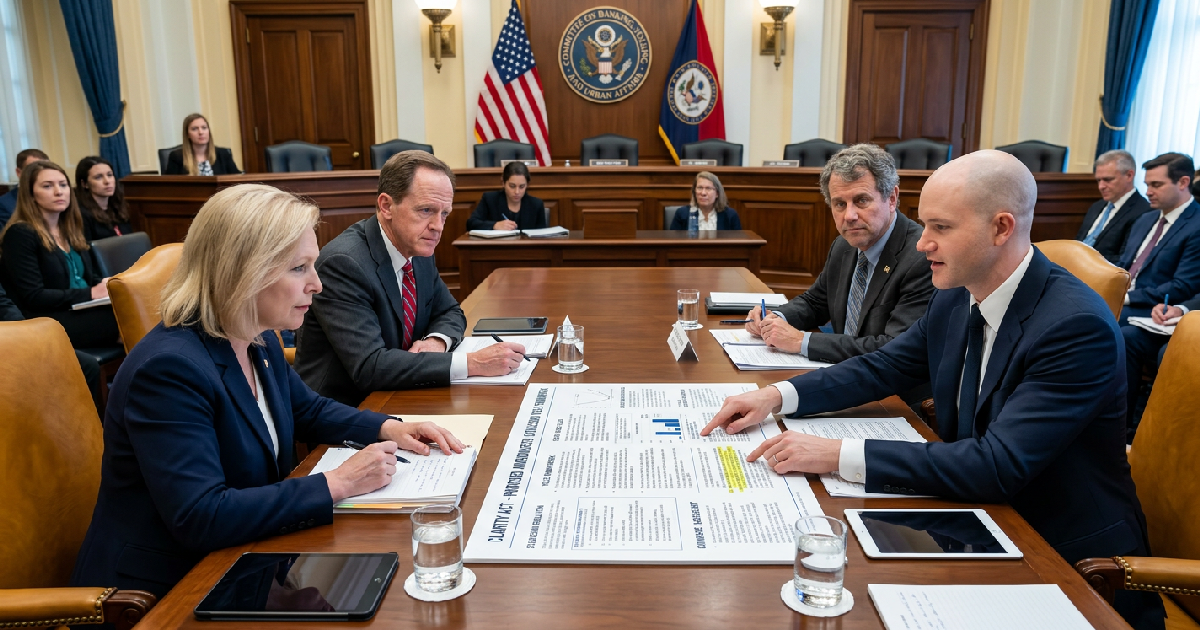
Coinbase CEO Brian Armstrong has indicated that a resolution regarding stablecoin yield has been reached within the framework of the Clarity Act, potentially clearing a primary obstacle that had delayed a Senate markup for months. The development follows a period of intense discussions between industry representatives and members of the Senate Banking Committee over the appropriate regulatory treatment for digital assets that offer returns to holders. Armstrong is now calling for lawmakers to move the legislation forward to provide the industry with a more predictable regulatory environment.
The debate has largely focused on whether yield-bearing stablecoins should be classified as securities or payment instruments. Lawmakers have expressed concerns that these assets could carry risks similar to traditional investment products without the same level of oversight. By establishing a framework for how these products are treated, proponents of the bill hope to create a standard that ensures consumer safety while maintaining the efficiency of digital dollar transactions in the growing crypto economy.
For Coinbase and other major players in the digital asset space, the potential for a Senate markup is seen as a move toward much-needed federal policy. Legislative proposals for stablecoins generally focus on reserve requirements and the quality of assets backing each token. This progress is particularly relevant for the broader market, especially as companies like MicroStrategy continue their digital asset strategies despite a lack of specific federal statutes governing the sector.
Addressing Regulation of Stablecoin Yield Models
The delay in the Senate Banking Committee was driven by differing views on how to handle the “yield” component of digital tokens. Some regulators argued that without strict disclosure and audit requirements, these products could lead to the kind of instability seen in previous market cycles. Reports suggest the current compromise may involve specific standards for yield-generating products to ensure they meet transparency benchmarks intended to protect retail users.
Industry advocates maintain that stablecoins are essential for the future of global payments, offering a bridge between traditional finance and decentralized technology. There is a growing sense of urgency in Washington as officials weigh the risks of pushing digital asset innovation to offshore jurisdictions. This legislative momentum comes as the market navigates a period of high volatility, with fluctuations in Bitcoin pricing underscoring the demand for reliable, dollar-pegged assets that can act as a hedge during downturns.
The Significance of a Senate Banking Committee Markup
A committee markup represents a critical step where legislation is formally debated and amended. For the Clarity Act, this phase has been a major hurdle, with previous attempts slowed by disagreements over federal versus state regulatory authority. Armstrong’s public support for the current deal suggests that the private sector believes the current draft provides a viable path forward for operational certainty.
If the bill successfully moves through the markup stage, it would represent one of the most significant advancements for crypto-specific legislation in recent years. This is viewed by many as a necessary infrastructure development for the United States, particularly as new crypto projects like Blazpay and ONDO continue to expand their footprints. Without a federal law in place, these organizations face a fragmented regulatory environment that varies significantly from state to state.
Next Steps for U.S. Stablecoin Policy
While the agreement on yield-bearing assets marks a breakthrough, the bill still faces a difficult journey toward becoming law. A crowded legislative schedule and broader political priorities could yet delay a final vote on the Senate floor. However, the apparent consensus within the Banking Committee indicates a bipartisan recognition that a federal framework for stablecoins is necessary to maintain the dominance of the U.S. dollar in the digital age.
The focus now shifts to the scheduling of the formal markup session. Success in this committee phase would signal to international regulators and the global crypto industry that the U.S. is moving toward a formalized oversight model. Market participants are watching the proceedings closely, as the outcome of this stablecoin legislation will likely influence how other digital assets, including Ethereum and decentralized governance tokens, are regulated in the future.