

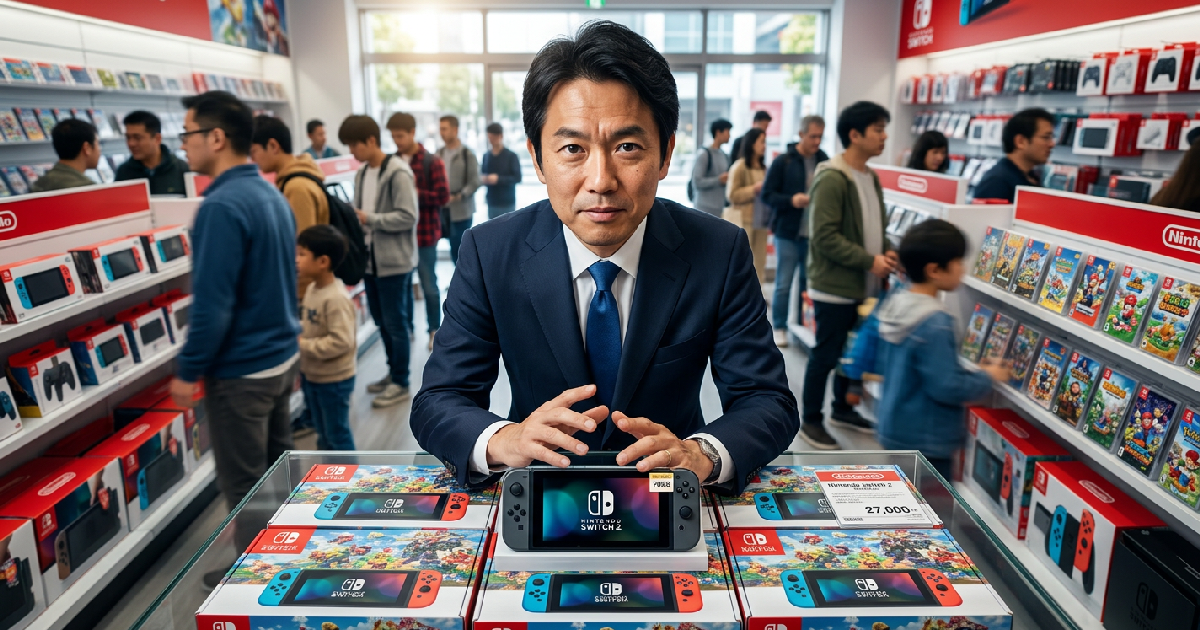
Nintendo President Explains Switch 2 Price Hike Amid Component Cost Surges
Nintendo President Shuntaro Furukawa has confirmed that the company is set to increase the retail price of the Nintendo Switch 2 in various international markets. The decision follows a period of rising component costs and complex economic conditions that have reportedly impacted the gaming giant’s hardware profitability. President Shuntaro Furukawa noted that the global surge in memory prices and shifting foreign exchange rates are not temporary hurdles but factors that are expected to persist through this year and into next year as well.
The move represents a shift in strategy for Nintendo, which has historically maintained stable hardware pricing throughout a console’s lifecycle. While the Nintendo Switch 2 saw a strong inaugural year for sales, the electronics industry is currently grappling with a high demand for semiconductors. This competition for parts, partly driven by the rapid development of generative AI, has driven up the cost of computer memory, leading Nintendo to adjust its pricing to protect its bottom line.
And these pressures are not unique to the handheld gaming market. In a similar vein, Sony raises PS5 prices again as inflation and supply chain costs continue to squeeze manufacturers across Japan and Europe. Nintendo reportedly remained resilient during the initial launch phase of the Switch 2, but internal reports suggest the sustained high cost of components made the original launch price point difficult to maintain.
Persistent Market Pressures on Nintendo Hardware
President Shuntaro Furukawa explained that if these cost spikes were short-term, the company might have absorbed the losses to maintain its user base growth. However, Nintendo now anticipates these pressures will have an impact not only this year but next year as well. Volatility in the currency markets and high energy costs have further complicated the manufacturing and shipping logistics for the Kyoto-based company.
The gaming industry has seen a broader trend of price hikes during the current console generation, a departure from the historical norm where prices dropped over time. Microsoft and Sony have both adjusted their pricing structures for their respective platforms since launch. This reflects a broader economic climate where market news in 2026 has been dominated by concerns over liquidity and shifting global capital flows, influencing how major electronics firms plan for long-term growth.
The Barrier to Entry and Consumer Value
Nintendo leadership acknowledged that a higher price tag naturally raises the barrier to entry for casual gamers and families. Despite this, the company maintains that the value of its software exceeds the raw cost of the hardware. The objective remains to convince consumers that the unique experiences offered by first-party titles justify the investment even in a tighter economic climate.
To maintain momentum despite the price hike, Nintendo is leaning heavily on its software pipeline for the coming months. The company recently confirmed a remake of the classic aerial combat title Star Fox 64, specifically optimized for the Nintendo Switch 2 hardware, which is expected to arrive in the first half of the year. This is reportedly set to be followed by Splatoon Raiders, a single-player spin-off expected for a summer release.
Upcoming Software Slate for Switch 2 in 2026
Third-party support also remains a critical pillar for the console during its second year on the market. FromSoftware is expected to deliver its latest project later this year, though specific details regarding its launch window remain scarce. Additionally, titles like Fire Emblem: Fortune’s Weave and ongoing reports of a potential Legend of Zelda: Ocarina of Time remake continue to circulate among industry circles.
Looking further ahead, the company is already laying the groundwork for future releases, with reports indicating a new mainline Pokémon entry is currently in development. While the company has reportedly adjusted its sales expectations for the second year due to the price increase, the strength of these upcoming releases will determine if Nintendo can maintain its dominant position in the handheld and home console market.
Future Outlook and Manufacturing Flexibility
Nintendo’s current strategy involves preparing for various scenarios as component markets continue to fluctuate. While the company cannot control the price of raw materials, it is focusing on improving internal productivity and managing its supply chain more aggressively. The goal is to ensure that the hardware business remains a healthy structure capable of supporting the company’s creative endeavors.
The console market is experiencing a fundamental shift where hardware is no longer expected to be a loss-leader for as long as it used to be. As the Epic Games Store expands its mobile strategy to capture wider audiences, Nintendo is doubling down on the premium nature of its dedicated hardware. Whether the market will accept a higher baseline price for a Nintendo system remains to be seen, but the company is betting that its unique software library will be enough to sustain interest.