

BioShock Creator Suggests Nintendo Switch 2 Signals End of Graphics Race
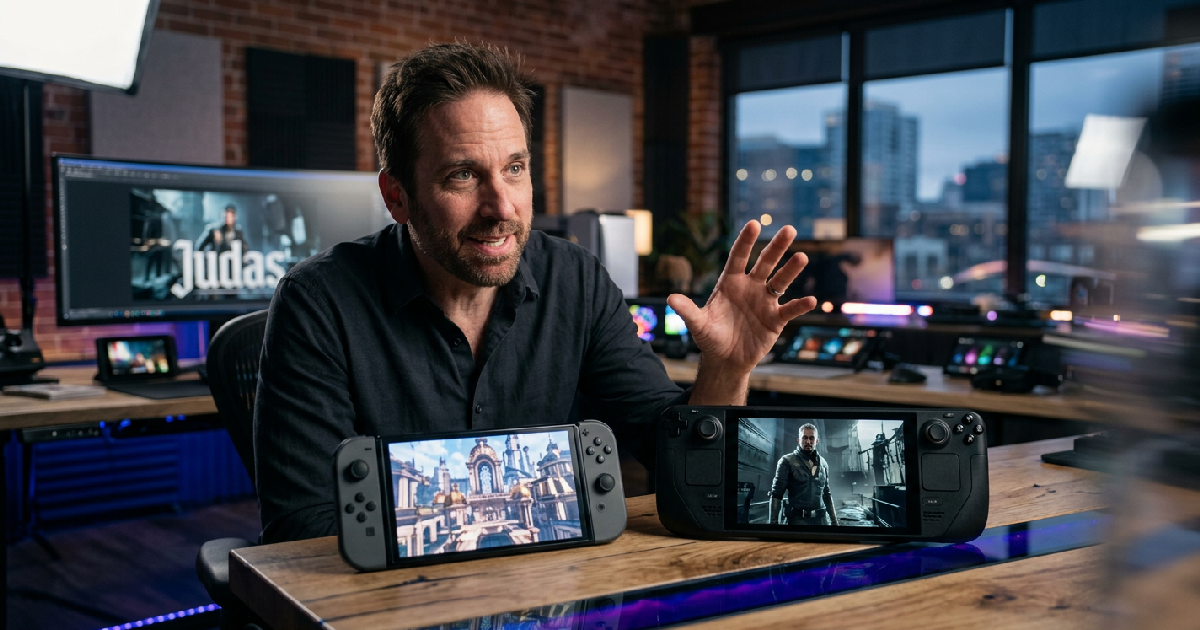
BioShock creator Ken Levine has reportedly suggested that the video game industry is facing a period of diminishing returns regarding visual fidelity, pointing to the upcoming hardware landscape as a sign that the era of the graphics arms race is fading. The veteran developer, known for his work on immersive narrative experiences, is said to believe that devices like the anticipated Nintendo Switch 2 and hardware from Valve indicate that technical parity is largely being achieved across the market. This shift suggests that the pursuit of hyper-realism may no longer be the primary driver for player engagement or development strategy.
Industry reports indicate that the focus for many major players is moving toward hardware utility and accessibility rather than raw processing power. While various competitors are expected to continue pushing for higher resolution and advanced lighting techniques, the strategic direction of companies like Nintendo and Valve hints at a consumer base that increasingly values portability and library depth. This development comes as Epic Games Store expands its global mobile strategy to capture a more diverse audience that may not own high-end gaming rigs.
Levine’s purported perspective emphasizes that modern hardware is now capable enough to support almost any creative vision. Instead of chasing the bleeding edge of graphical benchmarks, developers are reportedly finding more value in distinct art direction and stylized aesthetics. This approach helps titles maintain their visual appeal long after their release, whereas games that rely solely on technical realism can quickly feel dated as newer hardware arrives on the market.
Hardware Strategy and Market Accessibility
The anticipated arrival of the Nintendo Switch 2 has sparked discussions about the balance between performance and practicality. Industry analysts suggest that the gap in visual quality between portable units and home consoles is narrowing to a point where the difference is becoming less significant for the average consumer. This trend is further evidenced by the success of handheld PC devices, which prioritize playing modern titles in a versatile format over achieving the highest possible frame rates or resolutions.
Economic factors are also playing a role in this transition. As Sony raises PS5 prices again due to global pressures, the value proposition of high-cost, high-power machines is being scrutinized. If hardware continues to become more expensive, platforms that offer a “good enough” experience at a more accessible price point may see continued growth. This shift could lead to a future where software optimization and artistic innovation take precedence over the sheer number of polygons a system can push.
The reported strategy behind new “machines” entering the market reflects a player base that is satisfied with hardware that allows for smooth, competent gameplay. Rather than waiting for a massive technical leap, many developers are focusing on ensuring their games run well across a variety of ecosystems. This flexible approach is increasingly necessary as the launch of major titles on Steam and other digital storefronts connects games with players on vastly different hardware configurations.
Creative Focus in the Next Generation
Levine is reportedly applying these observations to his current project at Ghost Story Games. The title, Judas, is expected to focus on narrative complexity and a unique visual identity rather than aiming for technical benchmarks that require the most expensive modern hardware. By leaning into what Levine has previously termed “narrative legos,” the development team is seeking to innovate through reactivity and player choice, areas where hardware limitations are less of an obstacle than they are for graphics.
This philosophy may become the standard for the industry as the cost of high-end asset creation continues to climb. If the visual difference between a mid-range device and a flagship console continues to shrink, the competitive advantage of raw power diminishes. Developers may instead choose to invest in deeper mechanics and world-building, trusting that the hardware available to the majority of players is already sufficient to deliver a high-quality experience.
The industry’s current trajectory suggests that the next several years will be defined by how well developers can leverage existing technology rather than how fast they can adopt the next hardware iteration. While the hardware race will likely never end entirely, the success of the next generation of portable and mid-range devices could confirm that the era of prioritizing graphics above all else is finally concluding. The focus is now shifting toward a landscape where artistic diversity and ease of access define the market’s leaders.