

Square Glade Games Brings Cozy Driving to Next-Gen Platforms with Outbound
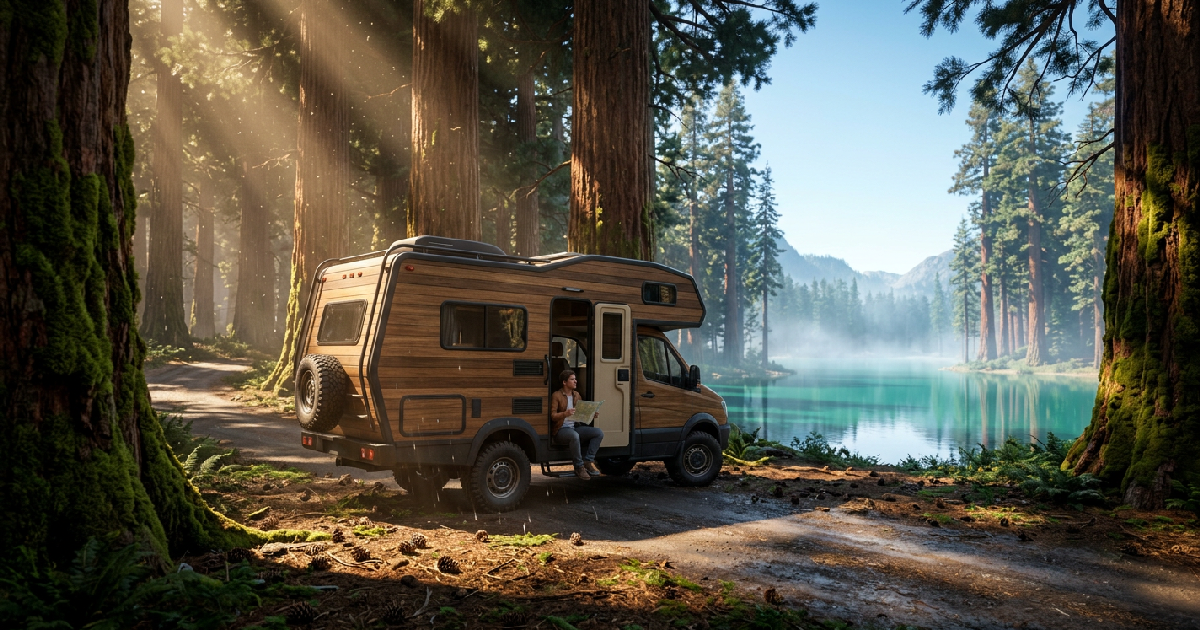
Developer Square Glade Games is reportedly bringing its cozy open-world driving simulator, Outbound, to Nintendo’s next-generation hardware platforms. The title tasks players with navigating a customizable campervan through diverse biomes—including redwood forests, rocky canyons, and sandy beaches—while collecting materials to upgrade their mobile home and repair the surrounding environment. While early reports indicate a robust gameplay loop and a strong ecological message, potential technical hurdles and a sparse narrative remain focal points for fans monitoring the upcoming release.
Exploring the Open Road in Outbound
The core experience of Outbound centers on the freedom of the road, offering a utopian vision of the future where players live off the land. Unlike traditional driving sims that focus on lap times, this title emphasizes the journey. Players spend their time foraging for berries, gathering scrap metal, and scouting for satellite towers to unlock new crafting recipes. The sense of scale is one of the game’s greatest strengths; just as a player feels they have mastered a specific map, the world expands into new territories that keep the experience from feeling stagnant.
Progress is measured through a satisfying inventory and upgrade system. You aren’t just driving; you’re building a sustainable life. This involves a mix of active minigames for tool upgrades and “set-and-forget” mechanics for processing raw materials like wood and metal. This structure will feel familiar to fans of relaxing titles, as the mobile strategy for the Epic Games Store has previously indicated a growing demand for accessible, “play-at-your-own-pace” titles across various gaming ecosystems.
Survival Mechanics and Environmental Stewardship
Outbound incorporates light survival elements that add stakes to the exploration without becoming stressful. There are primary gauges to manage: fuel, hunger, and health. Interestingly, the campervan runs on plant-based materials, reinforcing the game’s environmentalist themes. Players are encouraged to recycle trash and use natural resources responsibly. If the hunger gauge depletes, it begins to impact the player’s health, but the consequences are minimal; the character simply faints and wakes up the following day back at their van.
The game also introduces a canine companion who assists with the journey. Beyond being a cosmetic addition, the dog can carry its own backpack, helping to mitigate the movement penalties associated with an over-encumbered player character. This focus on utility within a cozy framework helps differentiate Outbound from more competitive titles found on the PC via Steam platform which often lean into harsher survival penalties and higher difficulty curves.
Performance and Visuals on Next-Gen Hardware
As a title expected to run on rumored Nintendo hardware, Outbound is expected to benefit from improved hardware capabilities compared to previous mobile consoles. Reports suggest the game aims to maintain a stable frame rate without the stuttering or long load times that often plague open-world titles on portable devices. The art style is a highlight, utilizing a color palette that shifts from crisp midday blues to soft pinks and ambers during sunset.
However, the transition to new hardware is rarely entirely seamless. Even with the power of modern consoles, players may notice objects like trees and rocks popping into view only as the van approaches. The visual clarity can also dip in handheld mode, particularly during night cycles or stormy weather, where high saturation makes it difficult to distinguish specific details in the environment. These hardware-specific hurdles mirror broader industry trends, such as when Sony adjusted PlayStation 5 pricing citing the complex economic pressures of maintaining high-end gaming hardware.
Crafting the Perfect Journey
The customization of the campervan is perhaps the most personal aspect of the game. Square Glade Games provides a “blank canvas” approach, allowing players to decorate both the interior and exterior. While the placement system can feel a bit finicky with analog sticks, the depth of options allows for a high degree of player expression. Some testers have noted that the lack of a traditional mouse-pointer function on standard console controllers can make fine adjustments occasionally frustrating during the building process.
Room for Growth in Narrative and Audio
If there is one area where Outbound feels underpowered, it is the storytelling. While the world is littered with environmental clues—notes in abandoned cabins or half-eaten meals—these elements never coalesce into a driving narrative. The world feels lived-in, but the lack of non-player characters or a central conflict might leave some players feeling isolated. Additionally, the sound design is remarkably sparse. While the ambient noises of nature are calming, the infrequent musical score can result in long periods of silence.
Despite these minor potholes, Square Glade Games appears to have delivered a compelling reason to head into the wilderness. The inclusion of online co-op for up to four players further extends the replayability, allowing friends to manage a single van together. For those looking for a low-stress getaway, Outbound proves that the best adventures are often about how you customize the ride to get there.