

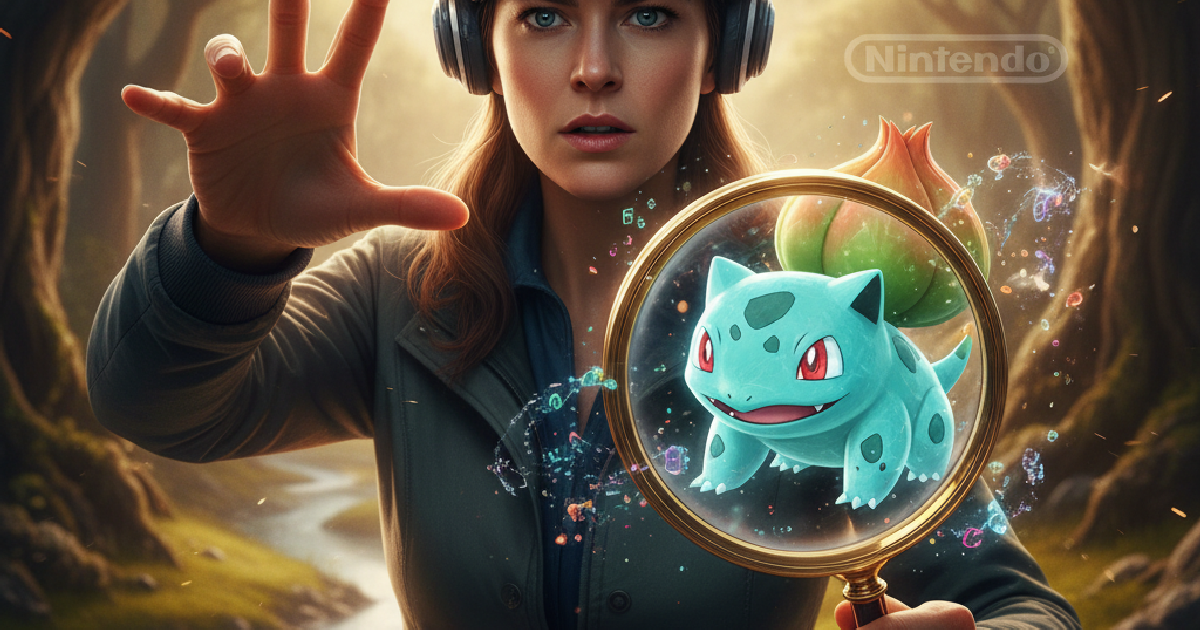
Nintendo Strikes Force PokeNational Geographic Toward Deletion
Nintendo of America has reportedly issued a series of copyright strikes against the YouTube channel PokeNational Geographic, placing the future of the popular fan project in immediate jeopardy. The creator, known online as Elious, recently informed his audience that the channel is pending termination following a sudden influx of copyright claims. This development effectively marks the end of a long-term creative endeavor that reimagined the Pokemon universe as a high-production nature documentary, a project that had garnered a substantial following for its cinematic quality.
According to the creator, access to the channel’s main functions has already been restricted due to the pending deletion. This has forced him to utilize secondary social media and video channels to communicate updates to his supporters. The flags against the account reportedly target a wide range of videos, citing the unauthorized use of characters, imagery, and audiovisual assets belonging to the Pokemon franchise. While the channel was widely celebrated for its high-quality 3D animations and original storytelling, Nintendo’s legal department appears to have prioritized the protection of its intellectual property over the transformative nature of the fan work.
The Evolution of Fan Content and Corporate Boundaries
PokeNational Geographic established a unique position within the gaming community by presenting Pokemon through a biological and scientific lens. Narrated by a fictional character named Professor Ginkgo, the series explored the habitats and behaviors of various creatures in a style reminiscent of traditional wildlife documentaries. This approach was highly regarded for its technical execution, showcasing the capabilities of independent animators. For those following the broader evolution of gaming platforms and digital distribution, the channel’s current predicament highlights the precarious position of fan-led projects on major hosting sites.
Despite the educational tone of the series, Nintendo’s enforcement of copyright protections has historically been uncompromising. The creator previously mentioned that the use of original game assets was kept to a minimum, primarily focusing on the unique vocalizations associated with specific creatures. However, within the modern digital rights landscape, even minor inclusions of copyrighted material can result in manual or automated removal requests. The loss is significant for the creator, who had used the channel as a professional portfolio to demonstrate advanced animation and rendering skills to the industry.
The Impact of Platform Policies and Legal Pressure
YouTube’s established policies regarding copyright strikes typically lead to the permanent termination of a channel once a specific threshold of active strikes is reached. Reports indicate that PokeNational Geographic has surpassed this limit, leaving almost no room to save the content without a formal legal challenge. The creator has signaled that he is unlikely to pursue a counter-notification, citing the vast legal and financial resources of a corporation the size of Nintendo of America. The potential for prolonged legal disputes often acts as a significant deterrent for independent artists working within the “gray areas” of fair use.
This situation reflects a continuing trend in the gaming industry where major publishers are tightening control over their digital footprints. Just as economic pressures influence console pricing and long-term business models, they also drive the frequency of trademark enforcement. For companies like Nintendo, maintaining a strictly curated brand image often requires the removal of fan-made content that could be perceived as official or that might infringe on future internal projects.
Moving Beyond the Pokemon Franchise
The expected removal of the channel will result in the loss of numerous documentary-style episodes, which represented years of rendering and animation work. While the creator intends to remain active in the animation industry through his secondary channel, Elious Entertainment, he has confirmed that he will no longer produce any content related to the Pokemon franchise. This move is intended to prevent further legal complications and allow him to focus on intellectual property that he owns entirely.
The gaming community has responded with widespread sympathy for the project, with many users expressing disappointment at the disappearance of what was considered a benchmark for fan creativity. Some observers have compared this to other instances where titles arrive on new platforms while their fan-made counterparts are simultaneously removed from public view. These events suggest that the era of large-scale, high-visibility fan projects may be becoming increasingly unsustainable given the current legal climate.
As 2026 progresses, the tension between fan appreciation and corporate intellectual property rights remains a central issue for online creators. For now, the scientific journey of Professor Ginkgo appears to be over, leaving a gap in the niche of “Poketube” documentaries. The community is now watching to see if other high-profile creators will face similar scrutiny as publishers continue to audit their brands across global video platforms.